




Everyone experiences stress at some point in life. When you face a challenge such as health problems, financial difficulties, or even relationship issues, your body automatically responds to help you adapt and cope.
But what many people don’t realize is that unmanaged stress can harm the body in surprising ways. The truth is, learning to manage stress healthily isn’t just a suggestion; it’s a necessity.
Here are some of the unbelievable ways stress can affect your body and why managing it better is so important.
Stress hormones help the body adapt and survive.

When your body faces any form of stress, it quickly releases certain hormones that help you adapt and cope.
One of the most important stress hormones is cortisol, a steroid that helps you survive such conditions.
Another hormone that plays a key role during stress is adrenaline, the fight-or-flight hormone. This makes the heart beat faster and redirects energy to essential functions in the body.
Chronic stress can weaken your immune system.
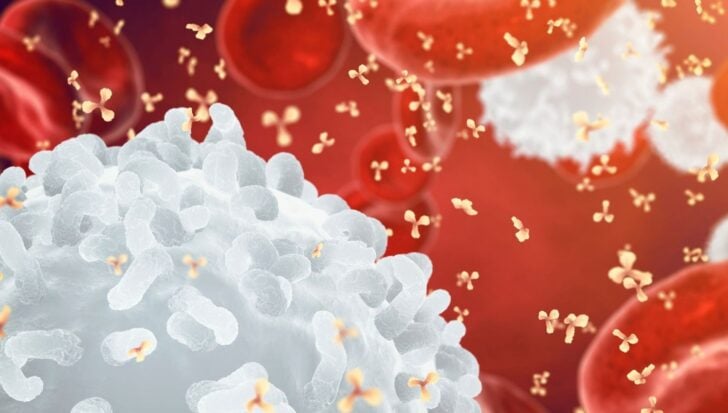
Have you ever felt like you get ill more often when you’re under high-stress situations? Well, it’s not just you, and there’s a scientific explanation for why it happens.
At first, in acute stress, white blood cells increase. As time goes on and chronic stress develops, your white blood cell count might drop, and they may become less efficient at their jobs. With your defenses weakened, you have a higher risk of catching a bug and falling ill.
You may forget things more when under stress.

When stress levels hit the roof, you may find that you’re always losing your keys, can’t find the remote, or are constantly missing appointments. This is stress-induced forgetfulness and is one of the ways chronic stress affects you.
In the short term, the stress hormone cortisol helps improve alertness and focus. However, when stress persists, it has the opposite effect. With so many things on your mind, your attention becomes divided, so you’re less focused on details and more on immediate survival.
Since your body has shifted to survival mode during this period, your brain focuses more on areas that help you react quickly rather than on making new memories.
Stress increases your risk of heart disease.

When you face a stressful situation, your body goes right into survival mode.
Adrenaline kicks off the response by making your heart beat faster and raising your blood pressure. If the stress persists and your heart is forced to work at this increased rate for long enough, it could eventually become weak and even fail.
Stress also contributes to persistent inflammation, which increases the risk of plaque building up in blood vessels. Over time, that can cause abnormal heart rhythms, heart attacks, and eventually heart failure.
Women are more likely to report feeling stressed than men.

Over the years, several surveys have reported that women face more stress than men.
Some studies have even recorded that women are 49% more likely to have higher levels of the stress hormone, cortisol, than men.
This could be due to a combination of factors, such as hormonal changes, family challenges, caregiver responsibilities, and societal pressures.
Stress sweat smells worse than regular sweat.

Normal sweat from working out or being hot is made by eccrine sweat glands. It contains mostly water and helps to cool you down. When you’re stressed, on the other hand, stress hormones such as cortisol and adrenaline are released.
Adrenaline can stimulate special sweat glands called apocrine glands found in your armpits and groin.
Unlike regular sweat, the sweat from these glands is thicker and richer in lipids and proteins. Bacteria on your skin, combined with the nutrients in this stress sweat, can cause body odor.
Stress can disrupt your sleep patterns.

When you’re stressed about finances, academics, work, or family issues, getting a good night’s sleep might be difficult.
One reason this happens is because of the stress hormones cortisol and adrenaline. Their role during stress is to keep you alert and ready for immediate action, which might make it harder to fall asleep.
Stress can cause acne and skin flare-ups.

Once again, cortisol is the main culprit here. During prolonged stress, cortisol can stimulate the oil glands in your skin to produce more oil, which can clog pores and lead to breakouts.
In addition, stress increases inflammation throughout the body.
So, if you have skin conditions such as eczema or psoriasis, you may experience more flare-ups when you’re stressed.
You’re more likely to gain weight when under stress.

Cortisol plays a major role in stress-induced weight gain.
It affects your metabolism, increasing the breakdown of energy stores to release glucose. This is to help you get more energy to deal with the present stressful situation.
However, this drive to help you get more energy doesn’t stop there. Cortisol also increases your appetite and cravings for sweet snacks, which can increase your risk of weight gain.
Stress can affect your mood.

It’s not easy to keep smiling and maintain a positive attitude when you’re overwhelmed by stress. However, everyone experiences things differently.
While some may feel sad and avoid interactions with friends, others may become more grumpy and irritable, or experience a mix of emotions.
Your emotional state is something to keep a close eye on when you feel stressed. If the emotional changes become too intense or persistent, it’s best to seek help from a mental health professional.
Stress often contributes to tension headaches.

During prolonged stress, your body is forced to remain in survival mode.
That means muscles remain tense and blood vessels constrict.
These combined could contribute to tension headaches, which can feel like a constant ache or a band tightening around your head.
High stress can disrupt the normal menstrual cycle.

When stress levels are high, the body may shift into a protective, energy-conserving state. In this state, non-essential processes that require significant energy, such as reproduction and regular menstruation, can be temporarily downregulated.
Stress hormones, such as cortisol, can also affect the balance and timing of reproductive hormones, including estrogen and progesterone.
This disruption may result in irregular cycles, heavier or lighter bleeding than usual, or missed periods.
Stress increases your risk of certain health conditions.

Chronic stress has been linked to several health conditions, such as heart disease, autoimmune disorders, Alzheimer’s disease, and gut issues.
It’s also been strongly associated with mental health problems such as depression and anxiety.
Worse still, people who deal with long-term stress are more likely to experience faster aging and reduced life expectancy.
Genes affect how well your body handles stress.

You might know at least one person who just seems to handle stress better than everyone else. Well, it just might be because they have the right genes for it.
Scientists have found that certain people have genes that make them more resilient or susceptible to the effects of stress.
Not all stress is bad for you.

Stress and how our bodies deal with it are what have enabled us to survive as humans for so long.
When you face a challenge, your body naturally swings into action, increasing your alertness so you can think clearly and make better decisions. This response also provides more energy, so you perform better.
The problem arises when the stress persists long enough that your body is forced to remain in this heightened state. This overwhelms your ability to recover, leading to the many problems associated with stress.
Our body’s response to stress through hormones like cortisol and adrenaline helps keep us alive. However, when stress persists for too long, it can become harmful, increasing the risk of illness and taking a significant toll on mental health.
Therefore, it’s important to develop healthy coping strategies for when you’re stressed.
Also, remember to seek mental health support when things become overwhelming.