




Let’s not get bogged down on the term “spinoffs,” folks.
In the context of this ranking, we’re looking at the limited series and films that are adjacent to Netflix’s The Witcher. So far, there have been four: Nightmare of the Wolf, Blood Origin, Sirens of the Deep, and The Rats.
The brilliance of the world of The Witcher is that there is a depth of material that can be mined in creative and innovative ways.
There’s a history often mentioned but never explored in Geralt’s time with Ciri and Yennefer. There are characters with fascinating backstories of their own. And there’s even time for half-arsed reinterpretations of classic folktales. It’s all fair game.
In the Beginning…
… there was Geralt of Rivia.
When the highly anticipated Netflix series based on Andrzej Sapkowski’s books, which had already been adapted into a Polish film and TV series as well as a very popular series of video games, hit our screens in 2019, it was all about Geralt, Yennefer, and Ciri.
The Witcher Season 1 had one of the best time-twisted narratives in recent memory, eschewing flashback scenes for an unadvertised triple timeline. But what came before Yennefer’s ambition, Geralt’s impulsive djinn wish, and Ciri’s parents’ dramatic reveals?
The Witcher: Nightmare of the Wolf (2021)

Before Geralt, there was Vesemir, his mentor. The first Netflix animated The Witcher film, Nightmare of the Wolf, tells Vesemir’s backstory. Netflix dropped The Witcher: Nightmare of the Wolf in August 2021, in anticipation of the Season 2 premiere in December that year.
Geralt wasn’t the first role to be recast on The Witcher (although definitely the most high-profile).
Theo James made a brief appearance on The Witcher Season 1 as a young Vesemir and returns to voice the character in Nightmare of the Wolf.
During The Witcher Season 2, Kim Bodnia assumed the role, portraying a much older Vesemir.
By the time The Witcher Season 4 rolled around, Peter Mullen took over, with Bodnia stepping away due to scheduling conflicts.
Solid Storytelling

As a prequel and first attempt to adapt the world in an animated, cinematic way, Nightmare of the Wolf succeeds in shading in the corners of Witcher life, demonstrating that most are not as solitary and (dare we say it?) patient as Geralt.
Vesemir, specifically, revels in the hedonistic activities a Witcher’s existence allows.
Furthermore, Nightmare of the Wolf reveals the dark, borderline corrupt business of making and employing Witchers. The reasoning that went into making monsters for Witchers to fight leaves us shaking our heads.
Vesemir is an exception to the rule in choosing the life of a Witcher of his own free will.
As such, his perspective on mage shenanigans and the meddling of royalty is also unique, which provides insight into the character when we meet him on The Witcher Season 2 and sort of explains the risks he’s willing to take with Ciri.
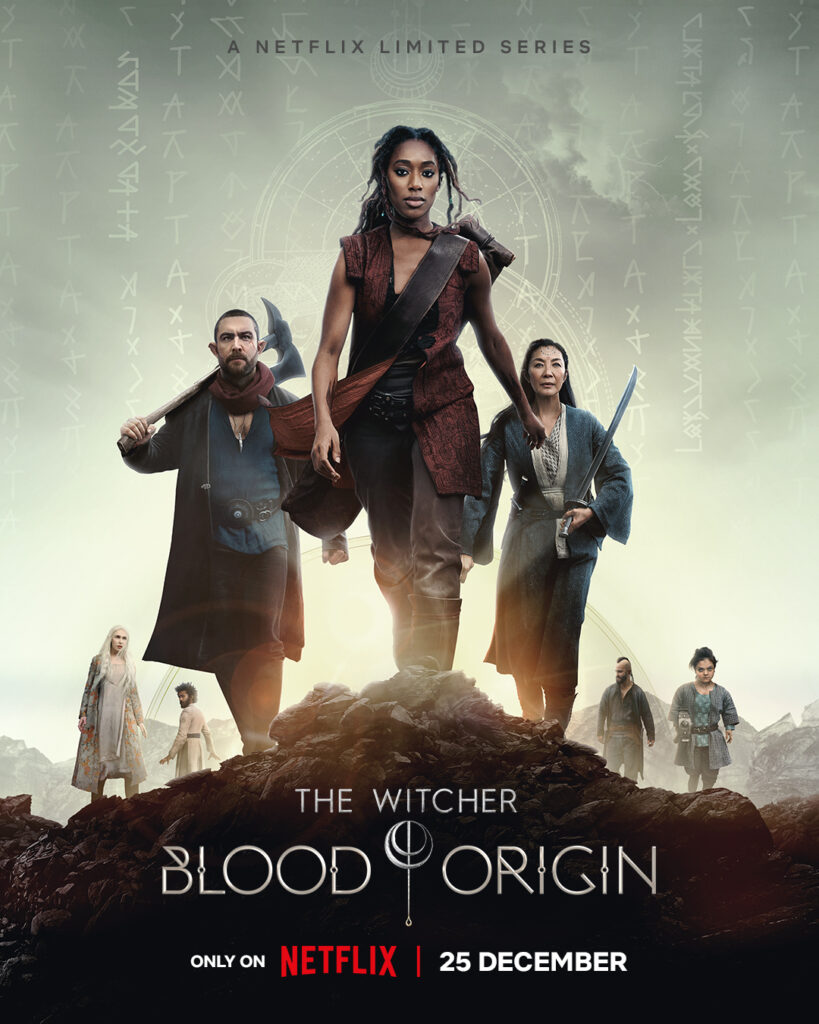
The Witcher: Blood Origin (2022)
If Nightmare of the Wolf took us back to Geralt’s beginnings, Netflix’s 2022 Christmas gift to Witcher fans, the four-episode limited series The Witcher: Blood Origin, transports audiences to the dawn of humankind on the Continent and the events that lead to the infamous Conjunction of the Spheres.
It’s an ambitious narrative foray into the world that existed before Geralt, before Vesemir, before Witchers as we know them.
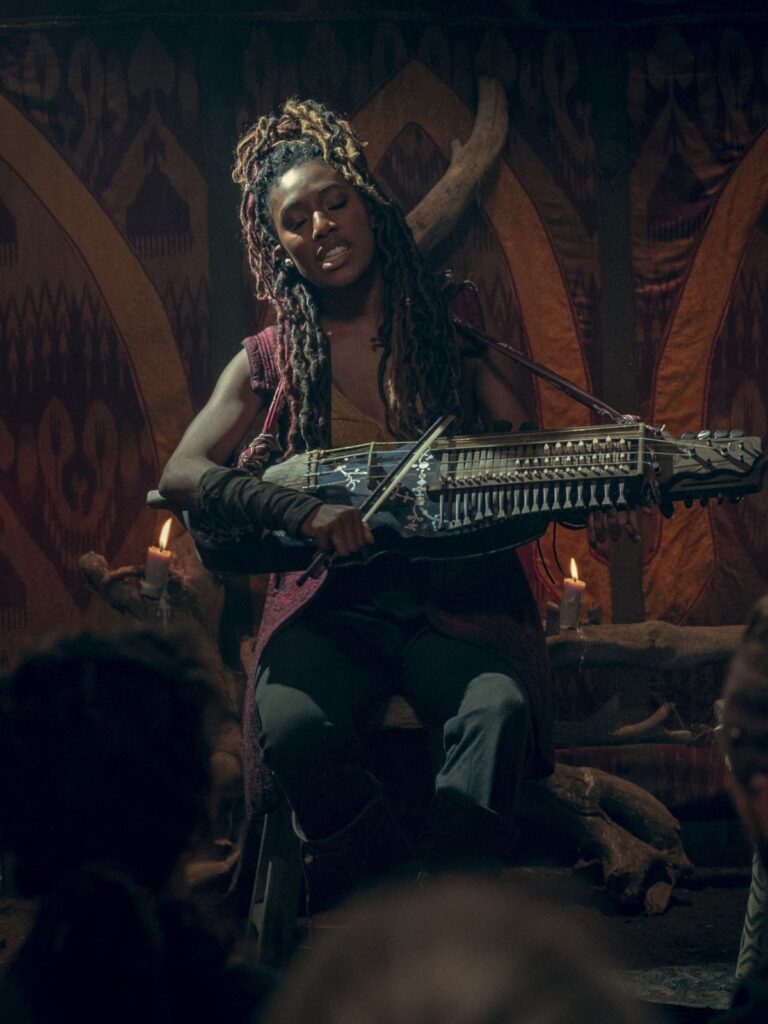
Framed as a magical glimpse into the past, a mysterious elven storyteller, Seanchaí, transports Jaskier 1200 years into the past so he can bear witness and immortalize The Seven in song.
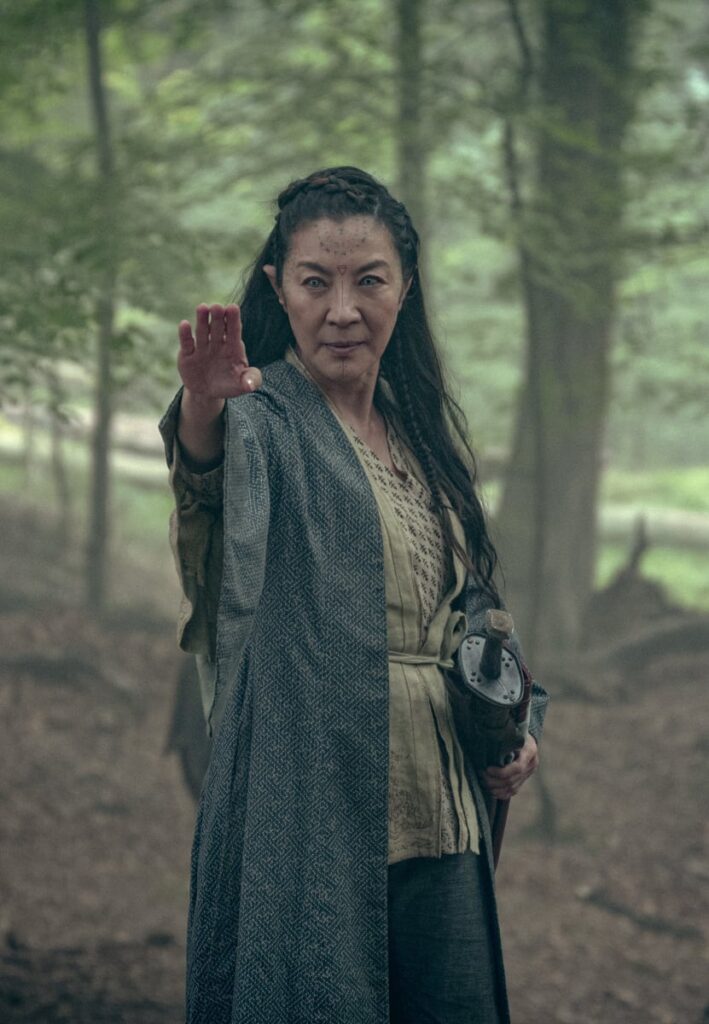
In a casting coup, the production landed the Queen of Kick-Ass, Michelle Yeoh, for the role of Scían, the brilliant and sardonic Elven swordmaster. Yeah, there were six others, including the always excellent Francesca Mills, but Yeoh owns every scene she’s in.
Essential Viewing
Of the four spinoffs, Blood Origin is the only one that fits into The Witcher canon on multiple fronts.
Not only does it chronicle the creation of the first proto-Witcher, but it also lays the groundwork for the Wild Hunt and casts an ironic light on the waning of Elven influence.
Granted, the limited series has four hour-long episodes to tell a complex plot with a multitude of moving parts, whereas the movie spin-offs are constrained by their 90-minute format.
This allows Blood Origin to create layers to characters, culture, and plot that a singularly focused production cannot accommodate.
The only drawback to the limited series is how Éile, Scían, Meldof, Callan, and Zacaré survive the Conjunction of the Spheres, but the rest of their story is lost to history.
While it’s implied that Éile’s child will be the start of Ciri’s legacy, I still want a Meldof and Gwen (#IYKYK) spinoff series.

The Past Shapes the Future
Blood Origin’s implications even extend beyond the Jaskier plot device and into the main series.
In the finale’s post-credits scene, Avallac’h travels forward 1200 years through time and finds Ciri playing with her Cintra street friends, a scene from The Witcher’s series premiere.
At the beginning of Blood Origin, Éile befriends a young Ithlinne who has already developed a reputation for accurate prophecies.
Previously, when Voleth Meir reaches into Francesca’s dreams on The Witcher Season 2 Episode 2, “Kaer Morhen,” she impersonates an elderly Ithlinne, a figure Francesca would revere and respect.

You can find a satisfying Blood Origin Easter Egg on The Witcher Season 3 Episode 3, “Reunion,” when The Wild Hunt chases Ciri through the woods.
If you turn on the subtitles, the King of the Wild Hunt is identified as Eredin, the Xin’trean captain Balor trapped in the nether dimension, when he calls to Ciri to join them.
If you’re only going to watch one spinoff, The Witcher: Blood Origin is the one to go with.
Despite the contrived Jaskier connection, the rich narrative, intricate relationships, and epic battles stand as cornerstones of The Continent’s history and serve to deepen our understanding of the world.
Blood Origin also has the best soundtrack, with Jaskier’s #NSFW ballad “Song of the Seven” headlining, and Éile’s rabble-rousing “The Black Rose” and love song “The Echo and the River” rounding out the record.
Sirens of the Deep (2025)
Intellectually, we know that Geralt spends a lot of time adventuring without Yennefer and Ciri.
He has a harder time shaking Jaskier, it seems, but the bard can come in handy at times.
Still, it’s a little weird seeing Geralt in a purely monster-fighting context.
In the first of three Witcher-related chapters Netflix dropped in 2025, Sirens of the Deep is a somewhat frivolous side-quest that gives Geralt a meet-cute distraction, Jaskier some origin tidbits, and a semi-clever twist on The Little Mermaid story.
A Bit of an Also-Ran
Netflix announced its second animated Witcher-adjacent feature project in September 2021, a mere month after Nightmare of the Wolf dropped.
They made much of the fact that it would be based on Sapkowski’s own writing, the short story “A Little Sacrifice,” and the expected 2024 release.
Unfortunately, Cavill’s decision to leave The Witcher in October 2022 threw a bit of a spanner into the works.
Without Cavill on board, the team brought in Doug Cockle, the voice actor who had played Geralt in the CD Projekt Red Witcher video games.
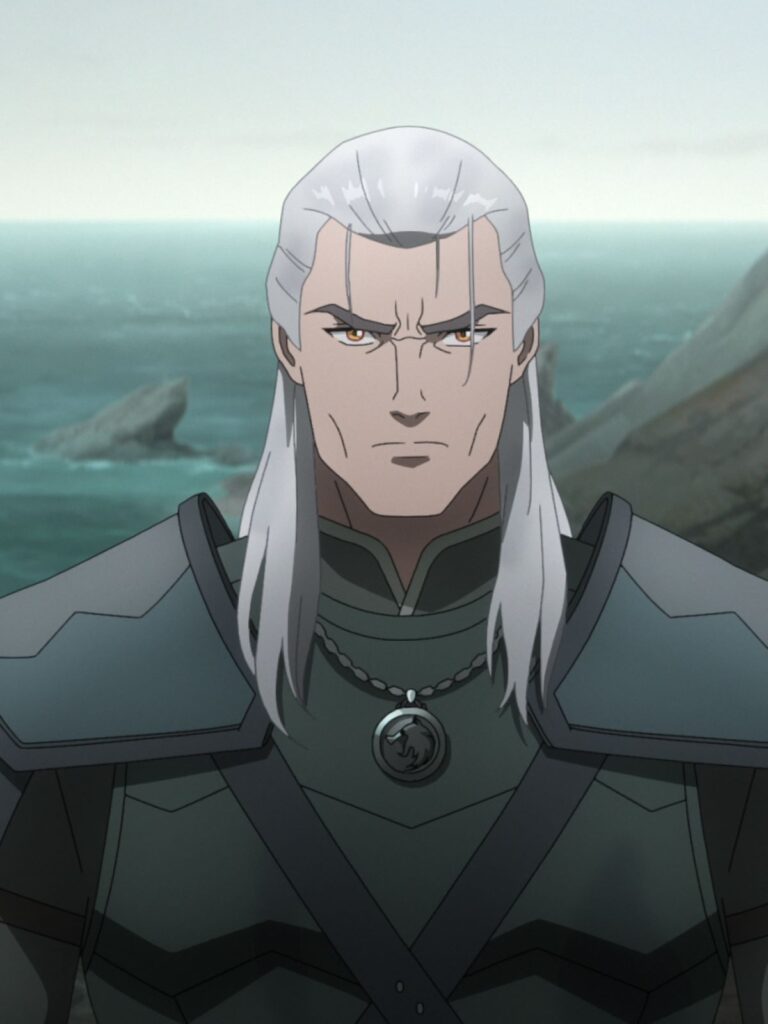
The other regular live-action cast appear in their roles, providing good inter-series continuity.
Joey Batey reprises his role as Jaskier as well as — amusingly — voicing the prepubescent Jaskier in flashbacks. Anya Chalotra voices Yennefer in her few brief scenes.
Impressive additions to the cast are Batwoman‘s Camrus Johnson and House of the Dragon‘s Emily Carey as the young royal lovers, Agloval and Sh’eenaz, respectively.
All told, it’s an entertaining diversion, but it adds very little to the Witcher world. Anyone who has followed the show knows that the real monsters are never obvious.
The parallels to Hans Christian Anderson’s “The Little Mermaid” are blatant. Mermaid loves human prince. There’s a sea witch. And a potion. And a happy ending. For most of the characters.
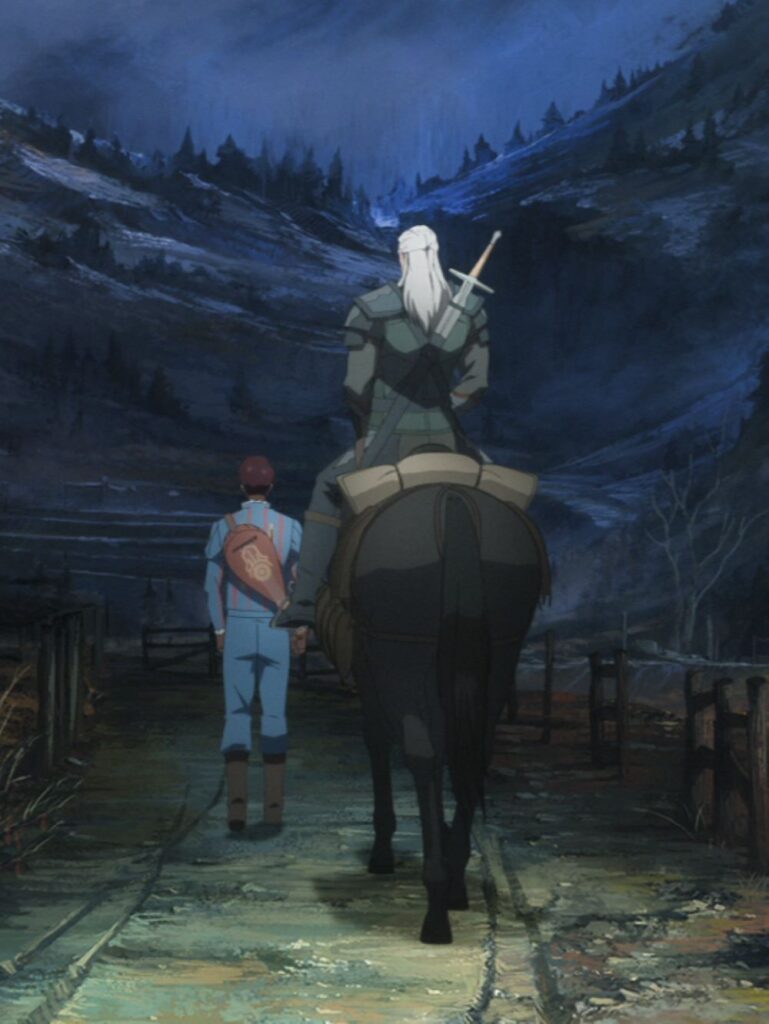
The most telling aspect of Sirens of the Deep is that Geralt and Jaskier move on so easily at its conclusion. No harm, no foul.
They are completely unchanged by the experience. Chances are, the same will be true for you, the viewer, as well.
The Rats: A Witcher’s Tale (2025)
I suspect the change in the titling protocol — from The Witcher: [subtitle] to The Witcher Spinoffs: A Ranking No One Asked For But Everyone Needs: A Witcher’s Tale — indicates a cardinal shift in the purpose of the newest spinoff feature.
By all accounts and evidence, The Rats was a surprise drop, arriving on the heels of The Witcher Season 4 with no fanfare or promotion.
In the canonical timeline, most of the movie’s action takes place just before Ciri joins The Rats under the pseudonym, Falka, on The Witcher Season 3 Episode 8, “The Cost of Chaos.”
One could argue “The Witcher” is Geralt, while “A Witcher” could be any Witcher. However, Geralt only appears briefly (as a child) in Nightmare of the Wolf. And Blood Origin predates him by 1200 years.
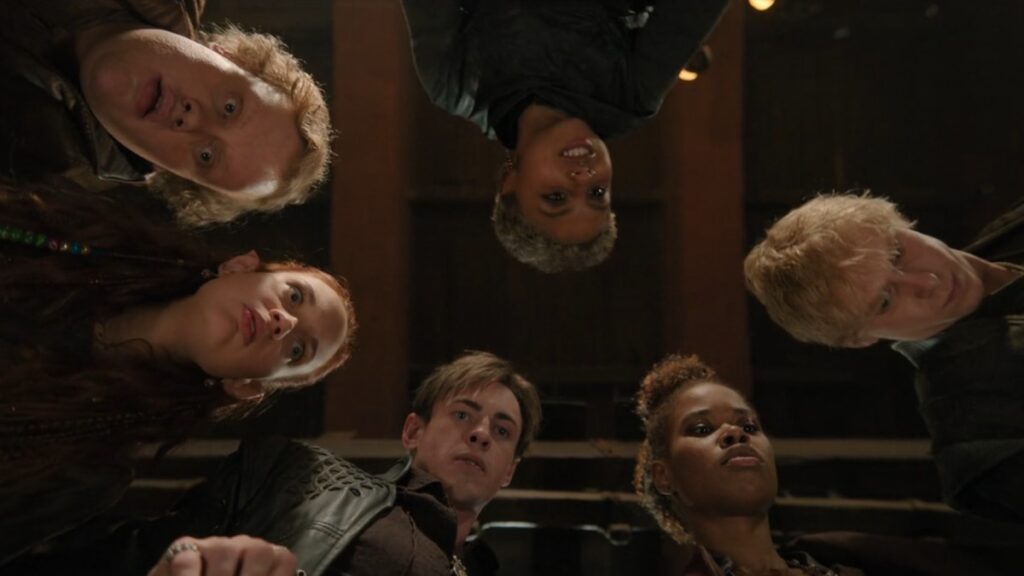
Whichever way you’d like to reason it, The Rats has nothing to do with Geralt.
On the surface, it’s about a gang of small-time thieves — Mistle, Asse, Giselher, Iskra, Kayleigh, and Reef, known as The Rats — and their plans to rob an arena.
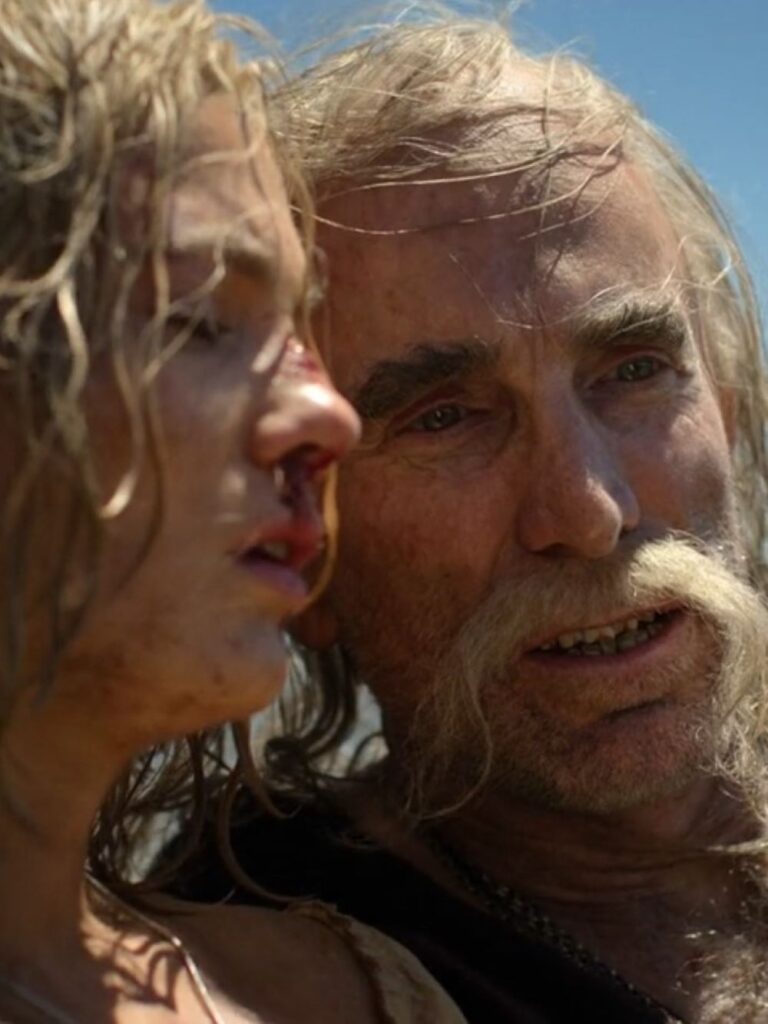
The titular Witcher is Brehen, played by none other than Dolph Lundgren, a washed-up has-been making his coin by putting on staged shows and spending it all on drink.
The Rats is his redemption arc, righting a cowardly wrong in his past.
But, actually, The Rats fills in the backstory of Leo Bonhart, a sadistic killer whose favorite prey is Witchers.
The film opens with him transporting the Rats’ decapitated heads in a barrel and a bound and bloody Ciri/Falka in a wagon. To fill the time, he tells her about the Rats’ lives before they met her.
A Blaze of Glory
How Bonhart would possibly know the details of the Rats’ dealings with Brehen before the heist at the arena is some heavy-handed omniscience, but let’s just ignore that plothole, shall we?
At its core, The Rats is a basic heist story, complicated by a monster who was once Mistle’s girlfriend, Juniper. (I’m fascinated by the names of girls from Thurn.) It might’ve been a successful heist story if Bonhart hadn’t gotten involved.
In terms of pragmatics, The Rats introduces Dominik Houvenghel’s arena.
As Bonhart’s cousin, Houvenghel welcomes his involvement in finding fighters. Making the connection between Bonhart and the arena as part of The Rats’ plot is an elegant way to set the scene for his plans for Ciri.
[WARNING: POSSIBLE SPOILERS]
In the novels, Bonhart takes Ciri/Falka to the arena and forces her to fight, arming her with a special sword and keeping her drugged with fisstech, the Continent’s equivalent of heroin. Three guesses who she eventually kills with that sword.
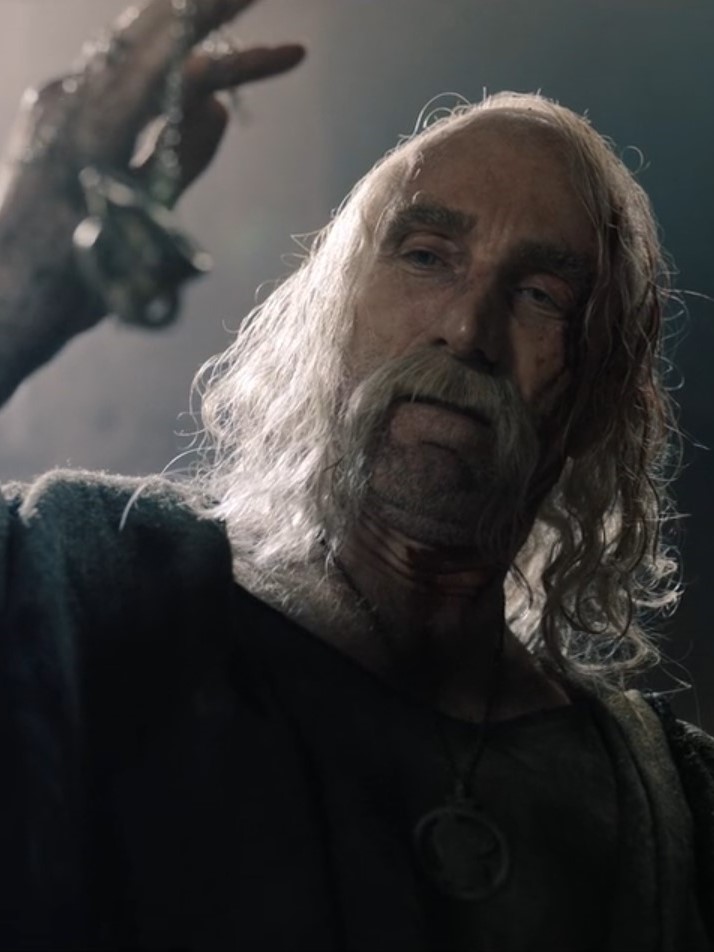
The Rats: A Witcher’s Tale is a departure from the previous series spinoffs, killing off its resident Witcher and leaving the heroes hopeful despite the audience knowing they’ll come to tragic, violent ends.
Less expository and more of a bridge to a future adventure, The Rats works as an entertaining chapter that remains relevant to the core narrative.
In Conclusion…
The four Witcher spinoffs to date are a sampler platter of narrative purpose.
Except for The Rats, they can be really watched in any order, although they probably make the most sense in the order of release and in relation to the respective seasons of The Witcher.
Best to least important Ranked:
- The Witcher: Blood Origin
- The Witcher: Nightmare of the Wolf
- The Rats: A Witcher’s Tale
- The Witcher: Sirens of the Deep

Our Witcher Wishlist
Seeing as they’ve ranged as far afield as fractured fairytales, what would we like to see next in The Witcher Collection?
Netflix currently lists 17 titles in its Witcher Collection.
That includes the main series, the four spinoffs, five Making Of or Behind-the-Scenes documentaries, five Bestiary or Character compilations, one recap (Season 1), and a fireplace.
At the top of our list are any adventures of the Blood Origin characters.
Specifically, Scían and/or Meldof. Callan and Zacaré are cool, but they had a real put-down-roots-and-live-a-quiet-mage-mist-protected-life vibe going. And good for them.
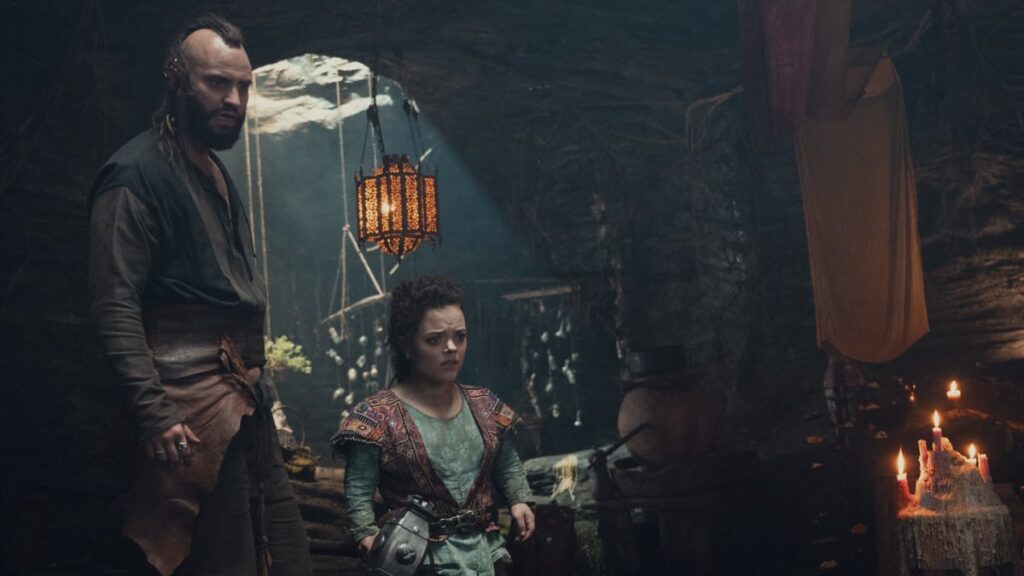
Honestly, we wouldn’t turn our nose up at more animated features. You can do a lot with fantasy in an animated medium.
Just look at Castlevania or Vox Machina.
Finally, so much of Ciri’s story has hinged on the prophecies of Ithlinne, the tale of Lara Dorren, and her crazy-ass Cintra family. Let’s see those legends in action!
If you read this whole thing — wow, we’re impressed.
Please consider leaving a comment or sharing it with someone who might enjoy it too. Small actions, big impact — that’s how you help sites like ours thrive.

Power Book IV: Force Star Isaac Keys Talks Brotherhood, Loyalty, and Diamond’s Legacy
In this exclusive chat, Power Book IV: Force star Isaac Keys talks brotherhood and Diamond’s lasting legacy. Check it out!
The Witcher Spinoffs: A Ranking No One Asked For But Everyone Needs
How much is too much The Witcher content? Check out how we rank the four Geralt-adjacent spinoffs and what we’d like to see next!
Power Book IV Force Season 3 Episode 9 Sets The Stage For A High Stakes Finale
Another OG finds themselves in trouble during Power Book IV: Force Season 3 Episode 9, setting the stage for an epic conclusion. Our review!



TV Fanatic is searching for passionate contributors to share their voices across various article types. Think you have what it takes to be a TV Fanatic? Click here for more information and next steps.
The post The Witcher Spinoffs: A Ranking No One Asked For But Everyone Needs appeared first on TV Fanatic.