Fallout makes it painfully clear that The Ghoul has every reason to walk away from Lucy MacLean — and keeps choosing not to.
He is betrayed by her more than once, and he betrays her in return, but Fallout Season 2’s finale hammers home that this is exactly why he cannot quite let her go.
The show has already drawn a clean line between Cooper Howard, who bent himself into a pretzel for Barb and Janey before the bombs, and the Ghoul, who will still cross the wasteland on a rumor that they might be alive.
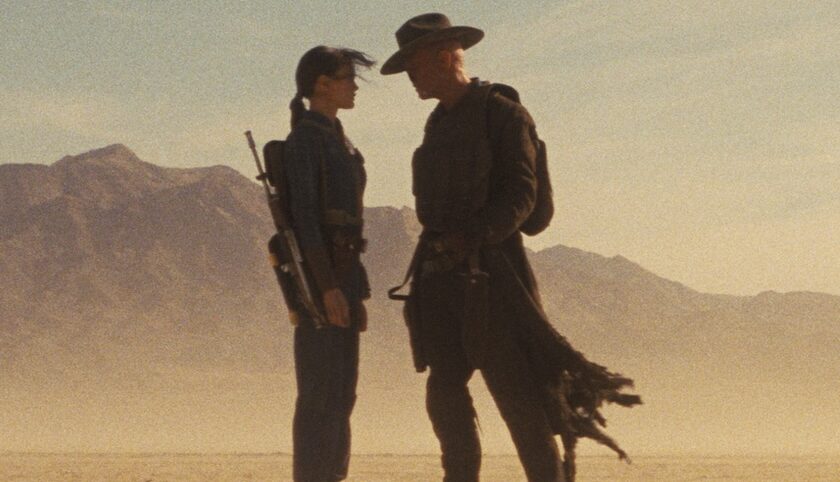
Lucy, meanwhile, is the girl who marched out of Vault 33 to drag her father back, only to discover Hank is the kind of man who nukes Shady Sands, lies about her mother’s death, and then tries to weaponize her trust.
Both of them know what it is to be failed by family and still run toward it anyway.
That is why the Ghoul keeps helping Lucy even after she lies, pushes, and makes choices that hurt him. He sees a younger version of himself, still convinced that if she just goes that one step further for her dad, it will all finally be worth it.
Fallout Season 1 Taught Him How Far You Go For Blood
In Fallout Season 1, the Cooper/Lucy bond is forged in mutual delusion about family, even if they do not realize it yet.
Lucy leaves the Vault because she truly believes Hank is a good man taken captive, not the architect of Shady Sands’ annihilation. She is willing to barter away everything — her safety, her naivety, her faith in the surface — to bring him home.
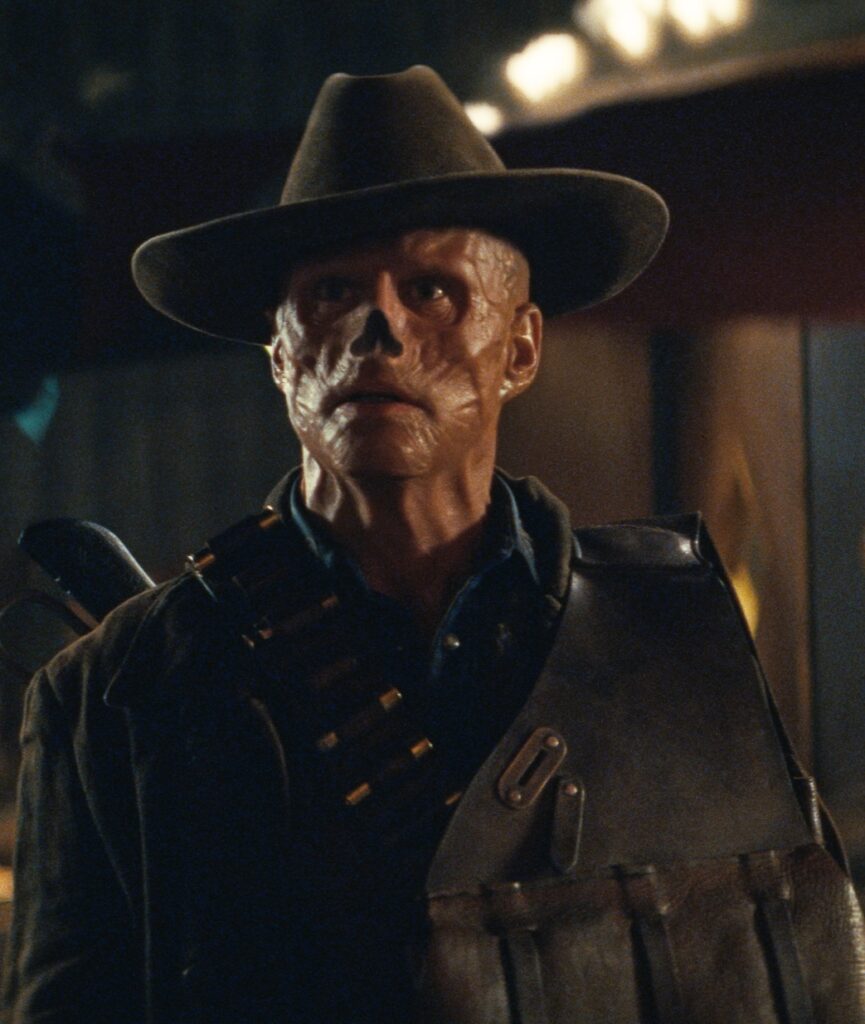
Cooper keeps insisting he is only with her for the bounty and the paycheck, but every flashback undercuts that.
Pre‑war Cooper swallowed military propaganda for his wife’s sake, slapped on Vault‑Tec cowboy hats for Janey’s birthday, and looked the other way as Barb got deeper into the corporate rot, right up until the bombs fell.
His whole life is a case study in going too far for family and realizing it too late. That is why he keeps stepping in for Lucy even when it costs him.
In Season 1’s finale run‑up, he drags her out of situations where leaving her behind would be easier, points her at the truth about Hank piece by piece, and still does not write her off when she balks.

When she finally learns what her father did to Shady Sands, the devastation on her face is something he recognizes instantly: it is the same sick drop he felt when he understood that Barb had chosen a vault slot and a future that would kill millions.
Lucy’s first big ”betrayals” of him — going soft when she should be hard, choosing to believe the best in monsters because they are hers — are less about malice and more about being trapped in the same loop he was.
When you have burned two centuries chasing ghosts in management vaults, it is very hard to look at a girl still willing to cross hell for her dad and say, ”you are dead to me” — no matter how badly she handles you in the moment.
Season 2 Turns Betrayals Into A Messed‑Up Kind Of Grace
Fallout Season 2 raises the stakes by forcing both of them to betray each other on purpose.

The big reveal, laid out through Hank’s salesman and the New Vegas twist, is that the Ghoul did not just randomly decide to haul Lucy across the wastes for company; Hank cut a deal.
Hank found Cooper’s family in cryostasis in a management vault and offered him the one lever that still works on a man like that: bring Lucy back to Vault 33, or Barb and Janey’s tubes get switched off.
So when he sells Lucy out at the worst possible moment, leaving her in Vault‑Tec’s hands after comforting her and letting her believe they are a team, it stings because he has spent an entire season quietly proving he is capable of more.
He patches her up, shields her when he does not have to, and lets tiny human gestures slip through the cracks — the canteen he presses into her hands, the way he listens when she talks about the Vault as something more than a resource to strip.
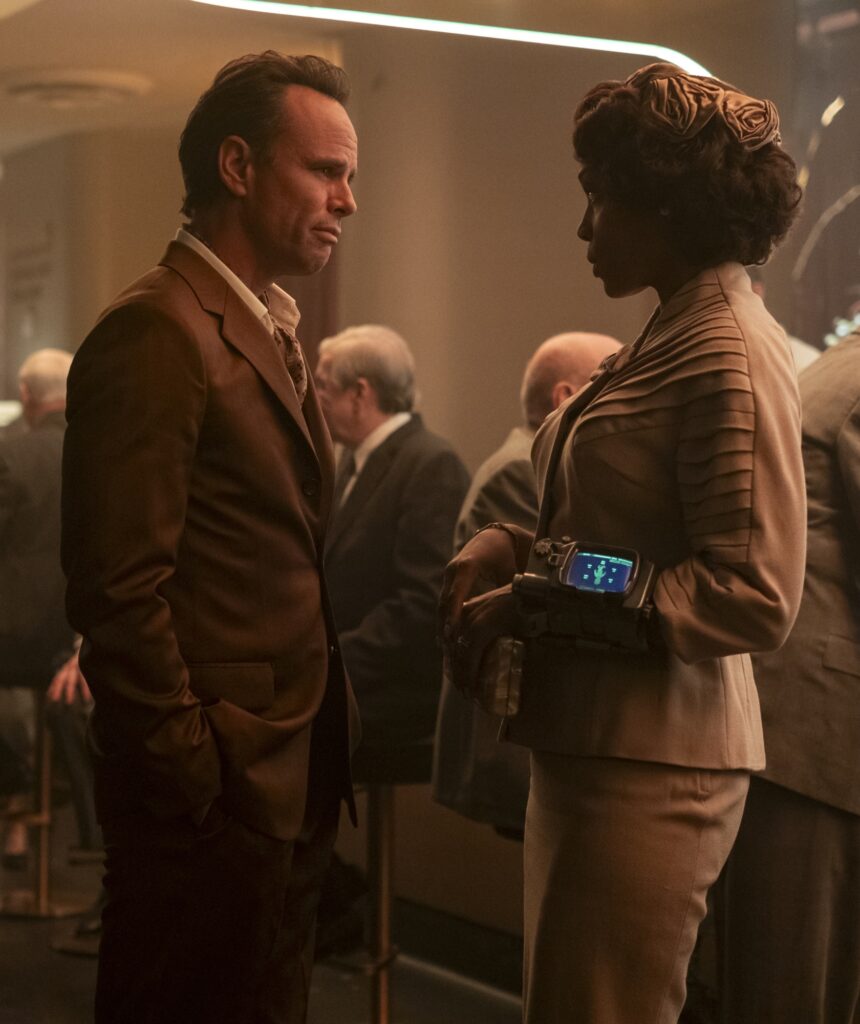
But Season 2 also lets Lucy fail him.
Hurt by his secrecy and desperate to believe there is still a version of Hank worth saving, she pushes past his warnings, makes deals of her own, and keeps trying to drag the story back to the idea that if I just reach him, my father can still be redeemed.
Every time she chooses Hank’s slim chance over Cooper’s very obvious pain, it is a betrayal, too.
It’s not the kind that comes with guns and handcuffs, but the kind where you look someone in the eye, ignore what they are telling you about their own scars, and ask them to help you repeat the cycle anyway.
The miracle is that he does. Even after she rages and recoils, he keeps circling back.
He kills for her, lies for her, and, by the finale, starts to loosen his grip on the one obsession that has driven him since 2077: the idea that if he just finds Barb and Janey, everything will make sense.
That is the quiet point of that last stretch in Fallout Season 2.
The Ghoul saving Lucy is never just about mercy; it is about a man who knows exactly how ugly family loyalty can be, choosing, over and over, to give this particular kid more chances anyway.
He understands that you go to extreme lengths for blood, even when they do not deserve it, because he did it for Barb.

Lucy is doing it for Hank.
The difference — and the thing the finale teases hard — is that helping Lucy might be his way out of the loop.
Every time he lets her back in after one of her betrayals, he is not just excusing her. He is rehearsing a new kind of loyalty, one that is not built on lies and leverage.
What about you — do you see the Ghoul’s patience with Lucy as weakness, or as the one shred of humanity he has left that is actually worth hanging onto?
Talk to us in the comments below!

Who would have thought that Family Guy would make it to 450 episodes? EPs and showrunners Rich Appel & Alec Sulkin discuss that and more.
Zahn McClarnon and Franka Potente discuss Leaphorn’s existential crossroads and the textured storytelling of Dark Winds Season 4, sharing how chemistry and cultural perspective shape the series.
Kiowa Gordon and Jessica Matten break down Chee and Bern’s emotional Season 4 arcs on Dark Winds, from trauma and ghost sickness to navigating loyalty and high-stakes decisions.