




In many ways, The Pitt has returned and has been firing on all cylinders.
The sophomore season is still very much strong, though it doesn’t have the same pizazz of The Pitt Season 1; a large part of that could just be due to novelty wearing off.
It still remains one of the smartest and most compelling series streaming. But there has been one issue that has been quietly creeping up on the season that’s impossible to ignore: the void Collins leaves behind.
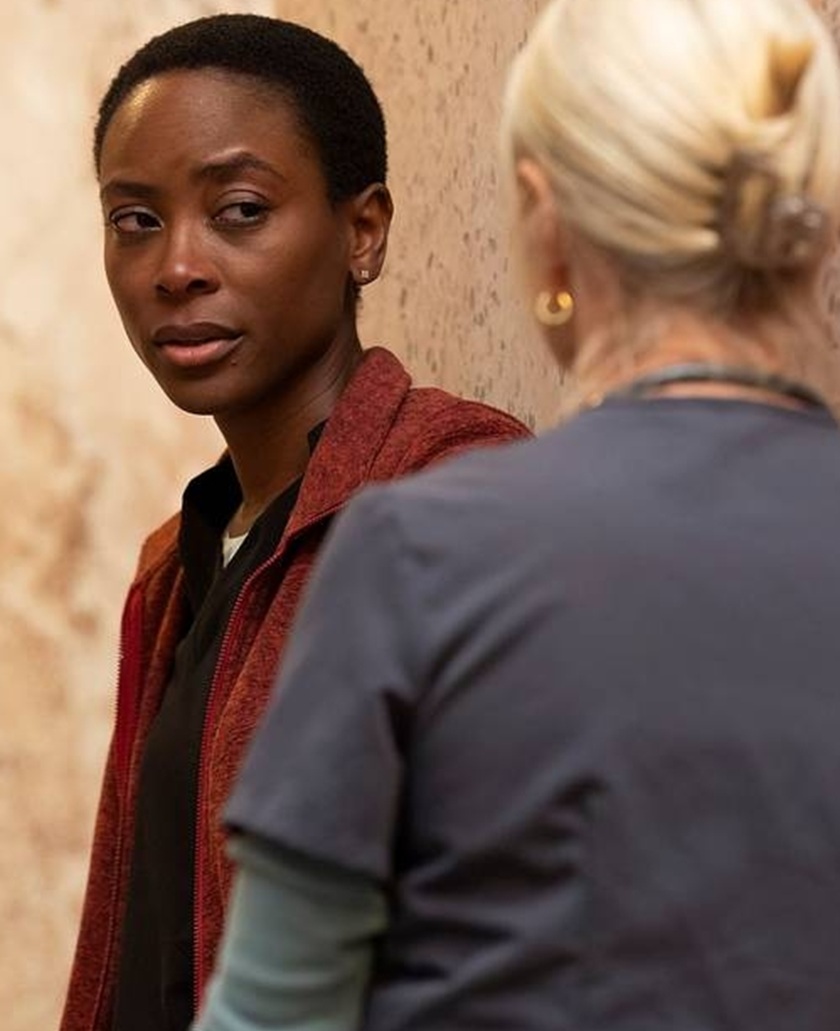
When we last saw Heather Collins on The Pitt Season 1 Episode 11, we had no idea it would be her last episode of the series, not until much later.
Many viewers focused on (or puzzingly misread) her romance with Robby.
And when we learned that part of her leaving at such a critical hour, before all hell broke loose with the mass shooting, was specifically so Robby wouldn’t have the one person who grounds him, it made perfect sense as a writing choice.
It certainly was effective, as it led to one of The Pitt’s most provocative and devastating scenes of the series, Robby full-on breaking down in the nursery amid the mass shooting.
But the thing about Heather Collins was that her standing was far more significant than some extension of Robby.
Ultimately, it’s not just about losing Collins specifically but losing what she represents. And since then, The Pitt hasn’t actually done much to fill the void… if anything, it’s expanded.


Thus far, we haven’t just lost Collins, but there’s also a notable absence of a Black doctor in her stead, especially a Black woman.
We have Dr. Ellis, who is amazing but criminally underused because she’s on the Night Shift with all the other rock star doctors who have stolen our hearts and scenes.
It means we’ll probably get to see Ellis more as this hacker crisis unfolds, or around the time the shift switches over, so we likely won’t have her in any real action until the last four or so episodes of the season.
And while that’s perfectly great, it doesn’t address the prominent issue at hand.
The Pitt is attempting to hint at how race, gender, intersectionality, and culture can factor into healthcare, without actually having someone representative of those points to hit them home without it feeling like an afterschool special.

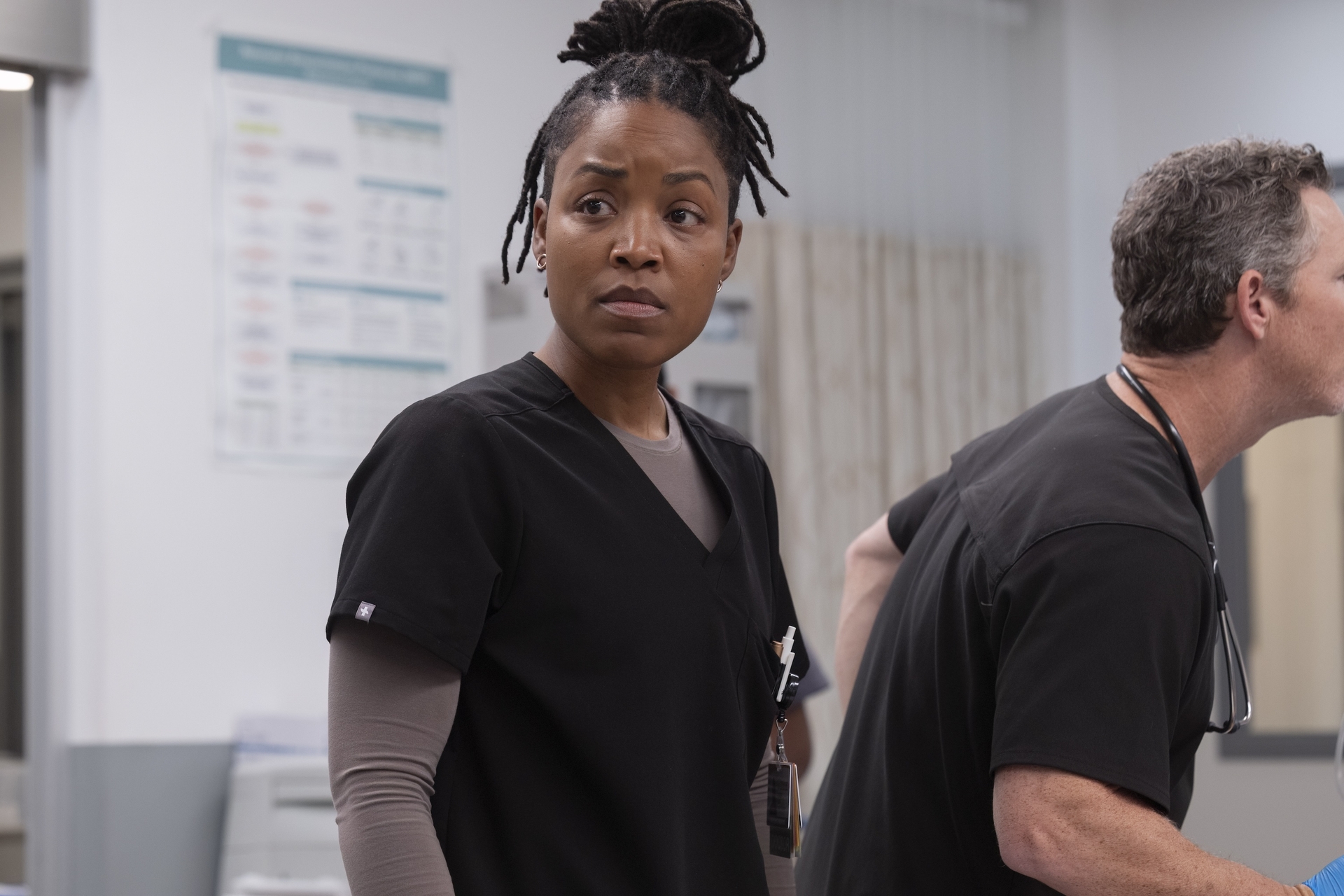
We get hit with this two-fold because The Pitt Season 2 also has a glaring lack of Kiara, too.
As the ED’s social worker, there have already been many instances in which her guidance would have been integral, offering perspective that felt more organic.
Instead, The Pitt gives us a criminally underused Dylan whose only real prominence in the season thus far was with young Kylie’s case. They didn’t have much to do outside of that, which was alarming in and of itself, given the plethora of cases that could have used a social worker’s touch.
Of course, part of the social worker component is that the season is very much centering nurses to highlight the full breadth of what they contribute to healthcare, and they’ve done that well.
But when it comes to doctors? The Pitt has been resting solely on the fact that if they just acknowledge an issue via an errant line or two, that it properly addresses the problem, and that’s not the case.
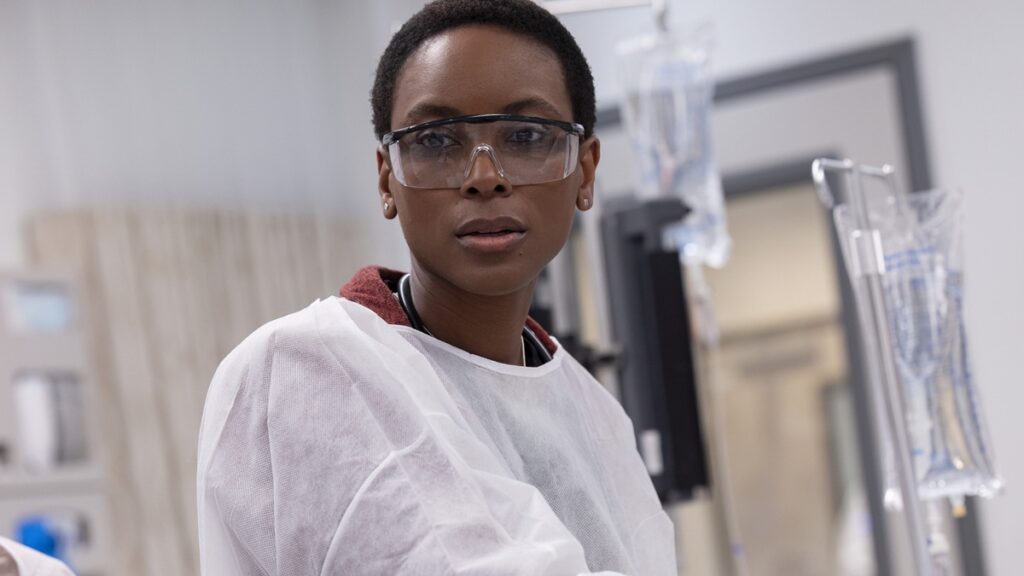
The season desperately tries to rely on other characters to fill the void left by what Collins represents to patients, but it isn’t nearly as effective.
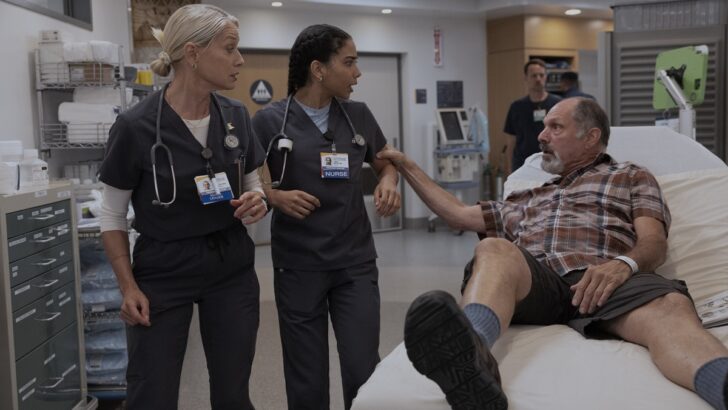
Louie provides one of the most direct instances we have of the series acknowledging Collins as a character.
Louie specifically asks where the “sistah” is, in reference to Collins, and what’s striking in and of itself is simply acknowledging that there aren’t enough of them for there ever to be any confusion as to who he meant in the first place.
But he speaks of Collins with warmth and familiarity, knowing she’s a doctor attuned to his needs. It’s not necessarily in a way that’s better or worse than anyone else, but definitely in a manner that’s different.
Whitaker is always well-meaning, but The Pitt always does well at quietly exposing the blind spots, biases, and flaws of characters we love.
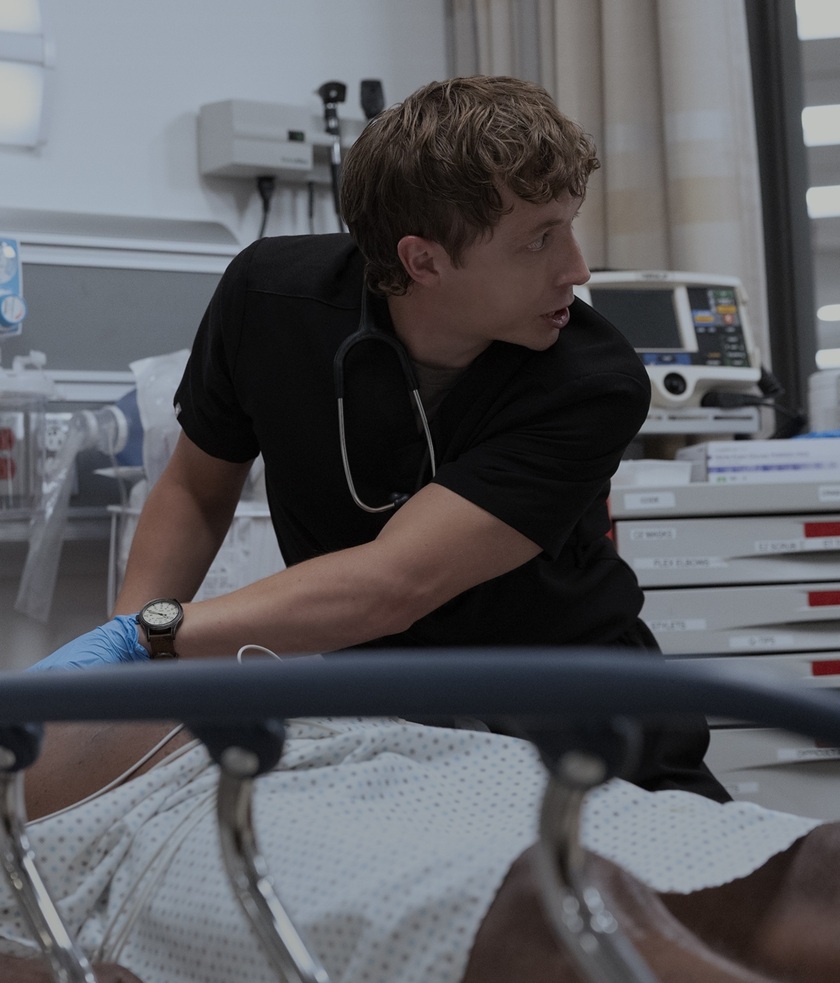
He consistently has an issue when it comes to biases regarding addiction and pain, especially with Black patients.
This season, thus far, we saw him not listen to Samba as the man was having a heart attack. And it comes up again with Louie.
It’s something that Collins specifically teaches him about in The Pitt Season 1, when his ignorance had him dismissing a Black woman with Sickle Cell Anemia as simply drug-seeking rather than genuinely in dire pain.
Thus, it’s safe to say that Collins would’ve given Louie pain meds for his tooth infection when he needed them, instead of holding out — something Whitaker does unconsciously.
It’s a pain he doesn’t even acknowledge enough to treat until it leads to the awkward moment with Langdon.
The Pitt relies on Langdon’s background as a man familiar with pain to be a driving force in that exchange, and it works well enough, but there’s still the caveat that Langdon was ALSO the doctor who once stole pills from Louie, prioritizing his own pain when he did so.
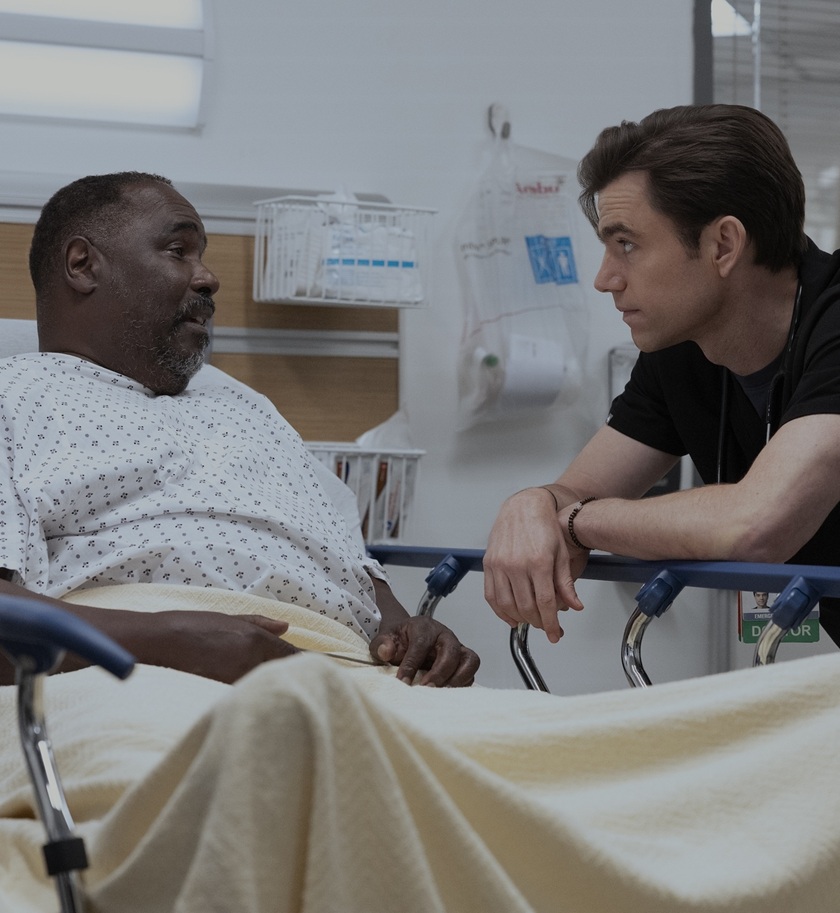
But Louie’s situation in that regard is one of a handful of moments where we feel the absence of Collins’ essence during cases.
With The Pitt Season 2 Episode 4, the series tackles the often undiagnosed eating disorders that Black women battle.
But since eating disorders are something that many generally don’t associate with Black women, it’s simply not something that most doctors look for when they have a patient.
Especially one like Santos, who has spent most of the season completely out of touch with her patients because she’s fretting about charting.
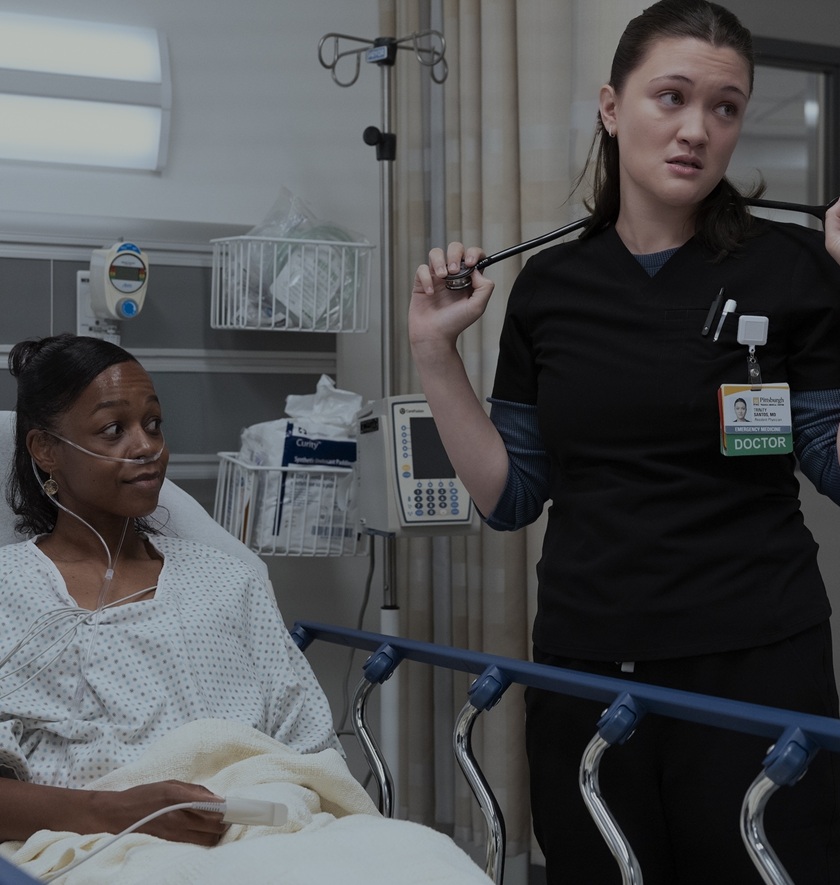
Mel handles the case with Alicia brilliantly, getting the woman to open up about her family and their relationship with food.
As Alicia describes it, it feels so… distinctly cultural.
No, gathering around food for every occasion isn’t specifically a Black American thing, but it is a distinctly cultural thing, and those from cultural families who do the same understand this.
But beneath all the conversation is the unspoken one about how Alicia’s desire to fit certain beauty standards that maybe don’t always include women who look like her.
And the discomfort in even talking about a topic that people within her own cultural community don’t discuss, because again, people wrongfully assume Eating Disorders are “White Girl Issues.”
What’s great about The Pitt is that it reminds us we don’t have to be part of a specific subgroup to empathize and apply it properly.
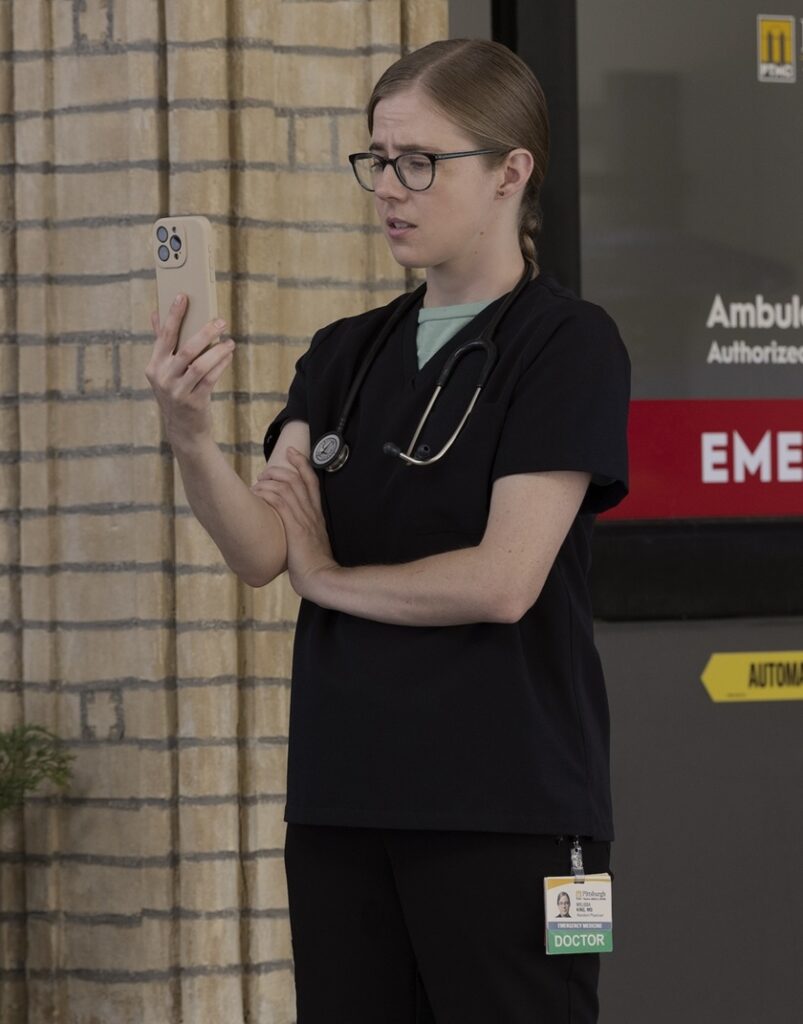
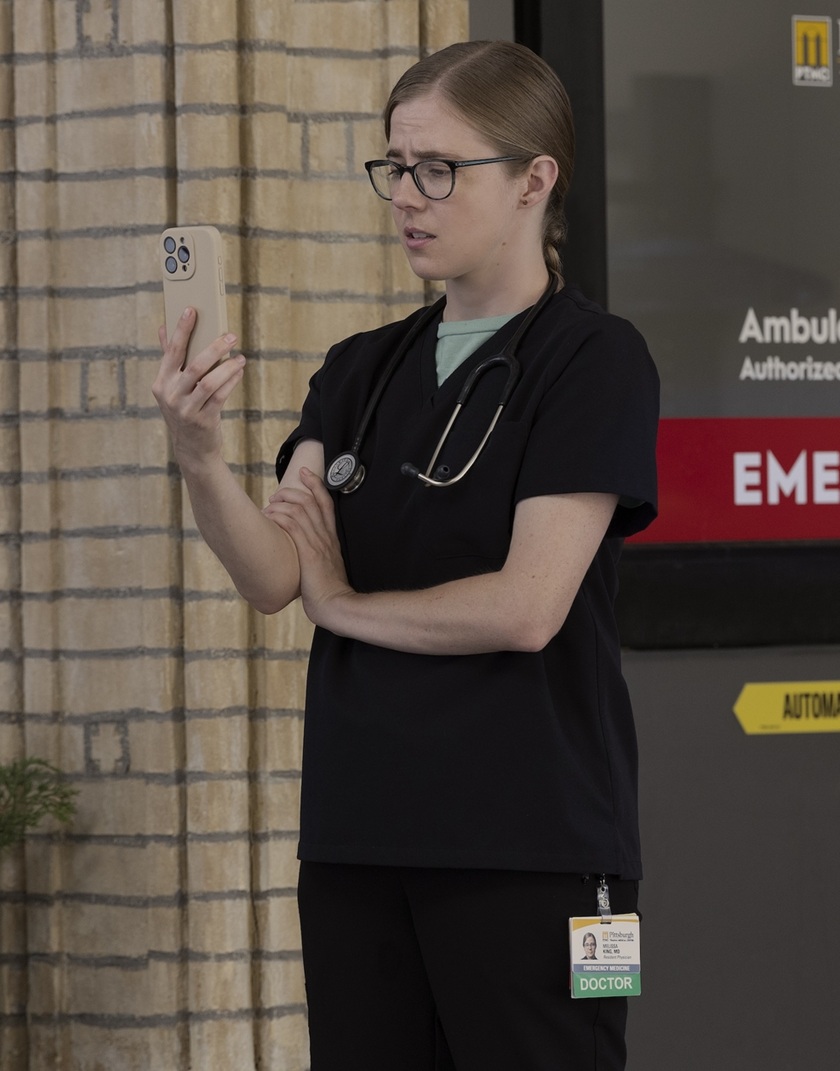
It is important for people to see that, and even know that, by using their own unique experiences to inform how they perceive situations, it can be beneficial.
Mel’s neurodivergence comes into play here.
It’s because of her trying to understand her own ways in which she’s counter to mainstream culture and feels like an “other” that she gains all of this knowledge about the statistics of Black women and eating disorders.
The scene lands well enough, and Mel handles everything well; they even make the pointed decision to include that the patient wants a Black female therapist so she can feel comfortable and understood.
But on the other hand, it’s also where the season has tackled topics in a way that feels like an afterschool special spouting statistics.
And it’s like The Pitt feels simply acknowledging the importance of Black doctors is sufficient enough.
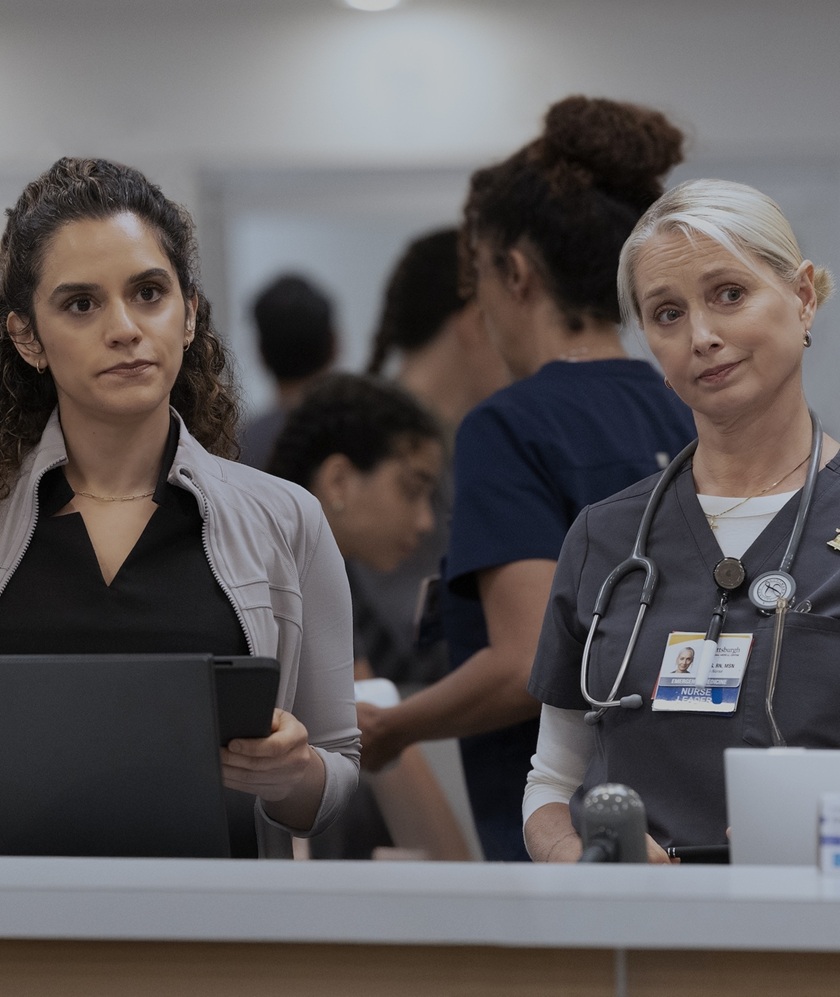
It makes intersectionality and its other forms of diversity serve as substitutions: Langdon as a man battling addiction, Mel as a sensitive neurodivergent woman, and then, there’s Javadi as a Brown woman.
She’s primarily tied to this case with Jackson and his sister, Jada.
To Al-Hashimi’s credit, she runs point on rallying against the campus security officer who tased Jackson.
We know that this guy was a total tool who harassed a mentally ill Black student minding his business and immediately labeled him as a “thug” and “druggie” rather than as a law student studying in the library.
It doesn’t take much to read between the lines of that whole ordeal, and The Pitt uses Al-Hashimi as the spearhead in subtly calling it what it was and flipping the script by suggesting that Jackson should be the one to file charges.
But the personal elements fall onto Javadi. We see that she makes a deeper connection with Jada. She’s who prioritizes Jada while they’re waiting for Jackson to wake up.
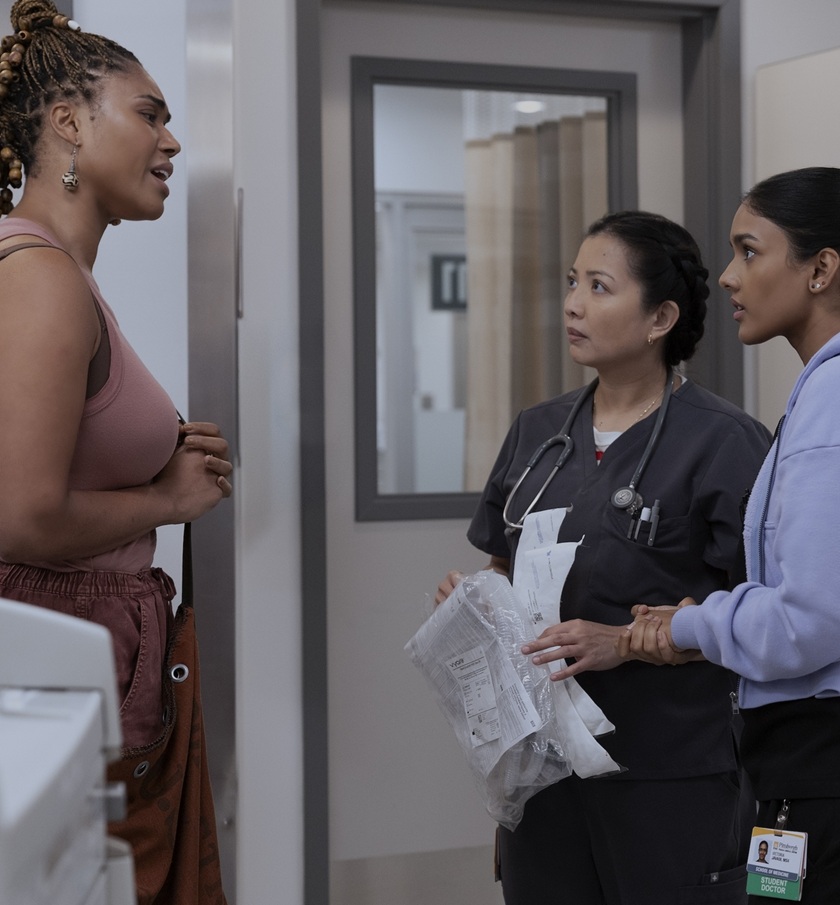
As a side note, it’s also Princess who offers Jada comfort and support and holds her while she cries, a great moment of highlight the depths of what nurses do in a season that feels like a love letter to nurses.
But Javadi is most prominent as this story arc takes on a deeper exploration of mental illness when it abruptly takes over a young man’s life, especially that of a Black man.
Mental illness on its own is often something misunderstood and criminalized, sometimes legally, and often in the eyes of everyday members of society.
Jackson has the other misfortune, in this case, of being a Black man, which is also criminalized by sight.
It’s been a plot that has been slow-moving in requiring a mental health professional to look in on things, and it introduced us to Dr. Jefferson, the psychologist at the hospital.
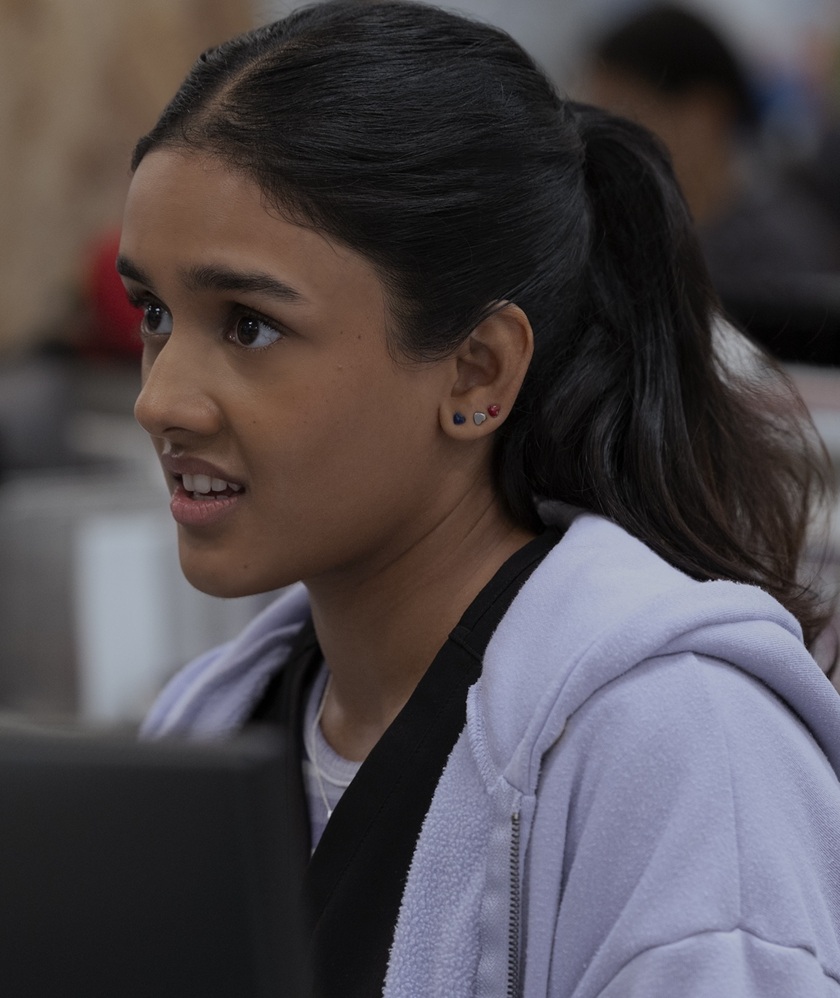
But while Jackson has spent most of the time unconscious, the arc has explored what it’s been like for Jada grappling with this revelation about her brother. In many ways, I get what they’re angling for with this arc.
I know firsthand what it’s like not only navigating life with mentally ill relatives but also what it’s like even broach topics of mental illness from a cultural standpoint within the Black community.
It’s still heavily stigmatized, and much of it gets rooted in a stance that “We don’t talk about these things.”
As if, if you don’t talk about them, then they won’t actively exist, or acknowledging mental illness would be speaking something negative into existence. And for those more religious, there’s the approach that one can simply pray it away.
There’s a distinct lack of communication and openness when it comes to discussing topics like mental illness, and it very much can result in secrecy under the guise of “privacy” and “shame” rather than honesty, because it can be genuinely useful.
We see this with Jackson’s parents. His mother says HER family doesn’t have a history of mental illness — and she says it like it’s an ugly indictment and worthy of shame.
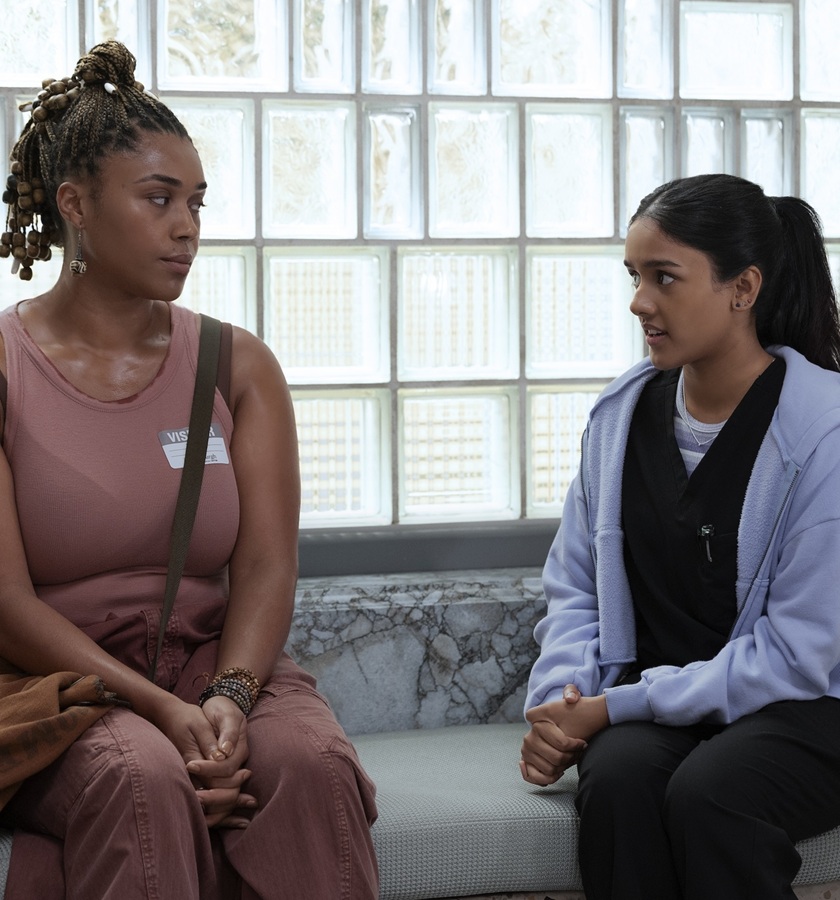
Jackson’s father reluctantly, begrudgingly shares the truth about his brother, with a note of shame.
And that the man was clearly mentally ill but went undiagnosed only compounds the issue, and the pervasive culture of shame, secrecy, and misconceptions about mental illness in Black culture.
The arc even touches on generational angles.
Younger people in Black communities are becoming more open about mental illness and often working double duty to drag older generations out of a harmful, generational mindset that everyone suffers under.
So Jada’s upset about her parents not telling her about mental illness running in their family, about her and her brother’s susceptibility to it as a result, is frustrating and hurtful.
It just reinforces that same shame culture, one of suppression and no communication, even when it’s literally detrimental (and clearly is for Jackson).
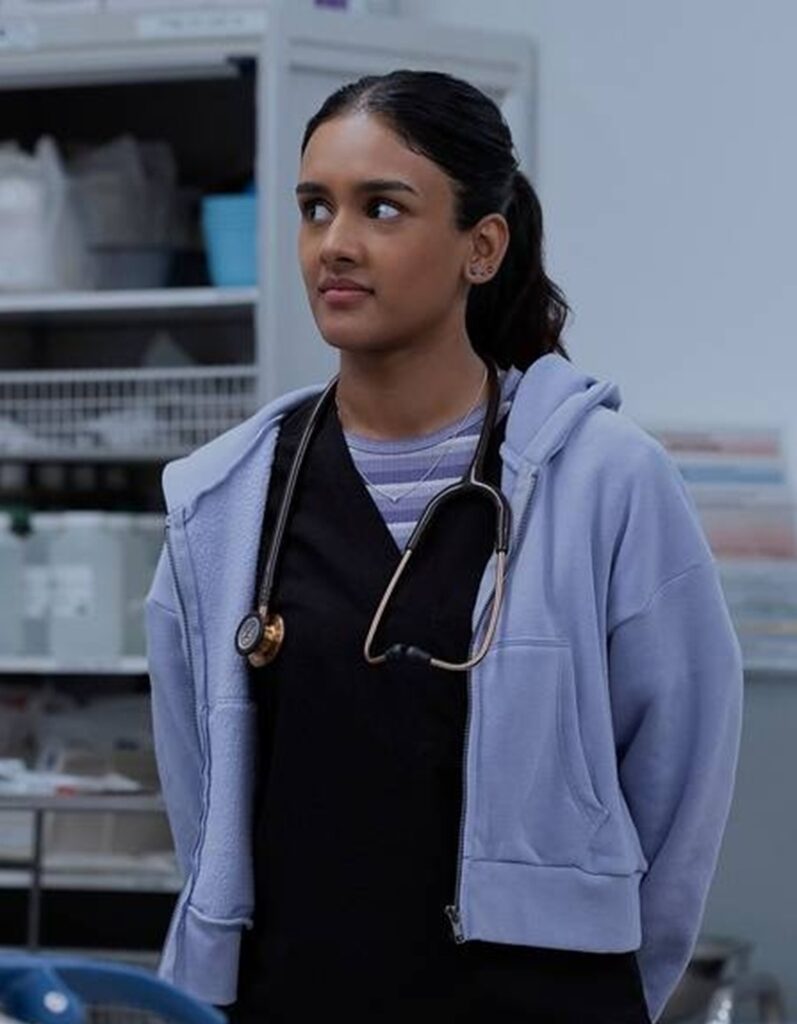
At least knowing means awareness and the ability to prepare, recognize the signs to look for, be extra vigilant, and communicate openly about what to do if that day comes.
Frustratingly, all of this has gotten lost in translation, as I have noticed from some responses.
It’s a powerful enough arc that may not have beats that hit its broader audience, in part because, without an established voice or bridge, like Collins, The Pitt doesn’t organically address the elephant in the room with any real nuance.
It relies on Javadi, a fellow woman of color, to semi-allude to a core issue that makes the arc impactful by suggesting some families have a hard time with these things, but it doesn’t land as heavily as it should.
The entire case with Jackson, especially when it came to supporting Jada, also would’ve been the perfect opportunity to have Kiara in the fold as a social worker and a knowledgeable Black woman aware of the nuances of the case.
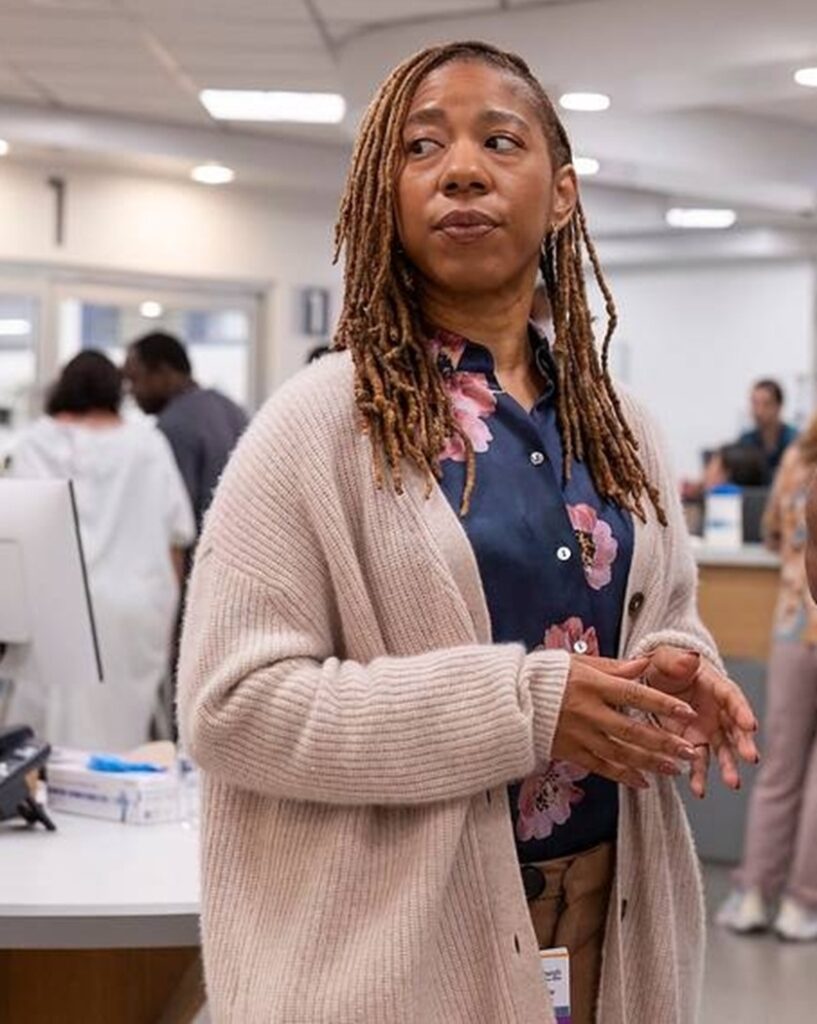
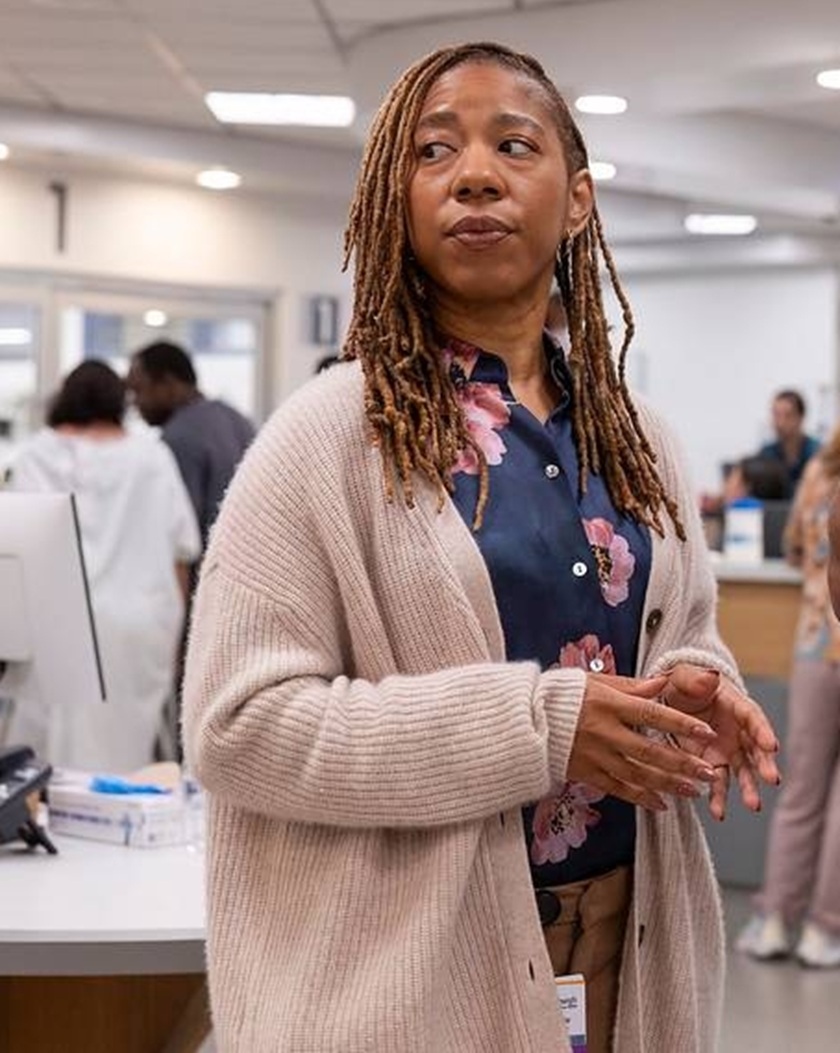
But even if it comes down to a doctor connecting to a patient or their family member on a case — with so many instances piling up, it’s been more glaring than ever that the lack of Black perspective from the medical professional side of things has affected aspects of the storytelling.
They’ve incorporated so many stories where it is a significant factor, adding more dimension to the arc and characters — but it just sort of hangs there because they have acknowledgment without perspective.
The Pitt is aware enough of this to reference it outright, but it hasn’t succeeded in filling that void — and it’s been a fascinating element of the season, certainly a factor that’s been difficult to ignore.
Let’s keep the conversation going — it’s the only way the good stuff survives.
Say something in the comments, share if you’re moved to, and keep reading. Independent voices need readers like you.

There’s a void on The Pitt from Collins’ absence and what she represents. We unpack what the season touches on but hasn’t filled.
The Bad Boy returns on The Pitt Season 2 Episode 7, while Langdon finally talks to Robby, and Dana treats a sexual assault survivor.
The Pitt Season 2 is serving up many things, but its greatest strength of all is serving as a love letter to nurses.
The Pitt, Cross, It’s Not Like that … some characters offered complexity and intrigue, and that’s why they’re our characters of the week.
Tragedy strikes on The Pitt Season 2 Episode 6, but lessons of humanity, advocation, and perspective reign supreme.


TV Fanatic is searching for passionate contributors to share their voices across various article types. Think you have what it takes to be a TV Fanatic? Click here for more information and next steps