




Instagram now has 2 billion monthly active users, and the global influencer marketing industry is projected to reach $32.55 billion by the end of 2025. If you’ve ever scrolled through your feed admiring the curated content of others and thought, “I could do that”—you’re not alone.
But here’s the reality: becoming an Instagram influencer isn’t about filters and follower counts. It’s about building a sustainable personal brand, fostering genuine community, and turning your passion into a business. I wrote the definitive book on this topic, The Age of Influence, have worked with countless brands as an influencer myself, and teach both influencer marketing strategy and how to become an influencer at UCLA Extension. The influencers who succeed—the ones I’ve consulted with, collaborated alongside, and coached—treat this as a profession from day one.
This guide walks you through every phase—from finding your niche to landing paid brand deals.
Key Takeaways
✅ Nano-influencers (1K–10K followers) achieve the highest engagement rates at 4–8% and are highly sought after by brands
✅ Instagram Reels generate 1.36× more reach than carousels—master short-form video for maximum growth
✅ The ideal hashtag strategy in 2025 uses 3–5 highly relevant hashtags rather than the maximum 30
✅ Influencer campaigns yield approximately $4.12 ROI per $1 spent on Instagram
✅ Instagram Subscriptions require a minimum of 10,000 followers and a professional account
What Is an Instagram Influencer?
An Instagram influencer is a content creator who has built a dedicated, engaged audience and can influence their followers’ purchasing decisions, lifestyle choices, and perspectives. Unlike traditional celebrities, influencers maintain direct, personal connections with their communities—they’re the trusted friend whose recommendations you actually value.
Here’s a key distinction: not all Instagram creators are influencers. A creator makes content. An influencer uses that content to build trust and drive action. If you’re serious about becoming a content creator, understand that influence is the end goal—not just content volume.
Instagram Influencer Tiers Explained
The influencer landscape operates on a tiered system based on follower count and engagement rates. According to eMarketer research, nano-influencers maintain the highest engagement rate on Instagram at 6.23%.
| Tier | Follower Count | Average Engagement Rate | Typical Earnings Per Post |
|---|---|---|---|
| Nano | 1K–10K | 4–8% | $10–$100 |
| Micro | 10K–100K | 2–4% | $100–$500 |
| Mid-Tier | 100K–500K | 1.5–3% | $500–$5,000 |
| Macro | 500K–1M | 1–2% | $5,000–$10,000 |
| Mega | 1M+ | 0.5–1.5% | $10,000+ |
Sources: Impulze.ai, Shopify, Collabstr
Don’t chase mega-influencer status overnight. Many successful influencers thrive in the nano and micro tiers, earning significant income by nurturing highly engaged communities. As I discuss in my guide on micro-influencers, smaller audiences often deliver better ROI for brands.
Why Is Being an Influencer a Business, Not Just a Hobby?
This is the mindset shift that separates hobbyists from professionals. A successful Instagram influencer functions as CEO, creative director, photographer, copywriter, and community manager—all rolled into one.
Think about it: You need to understand marketing, content creation, audience analytics, negotiation, branding, and basic accounting. Approaching this as a business from day one sets you up for the strategic decisions necessary for long-term success. I’ve seen too many talented creators flame out because they never made this mental shift.
What Are the Pros and Cons of Becoming an Instagram Influencer?
Before diving in, understand what you’re signing up for:
| Pros | Cons |
|---|---|
| Flexible income streams | Algorithm dependency |
| Creative freedom and autonomy | Pressure to constantly stay relevant |
| Brand partnerships and free products | Income inconsistency, especially early on |
| Community building and genuine connections | Mental health challenges from public exposure |
| Location independence | Content creation is time-intensive |
The opportunity is real, but so are the challenges. If the pros excite you more than the cons scare you, keep reading.
Phase 1: Laying the Groundwork—Building Your Influencer Foundation
Every successful influencer career starts with a solid foundation. These first steps require introspection, strategic planning, and positioning yourself for sustainable growth.
1. How Do You Define Your Niche and Passion?
Your niche is your superpower. Imagine trying to be a chef who specializes in every cuisine—you’d master none. The same applies to influencing.
What are you genuinely passionate about? What could you talk about for hours without getting bored? Your niche should intersect three key areas:
- Your Passion: What genuinely excites you?
- Your Expertise: What do you know deeply or have unique insights into?
- Market Demand: Is there an audience actively searching for this content?
Popular Instagram niches in 2025 include fashion, fitness, travel, beauty, food, parenting, tech, finance, and sustainable living. The narrower your niche initially, the easier it is to attract a dedicated audience. You can always broaden later.
I’ve written extensively about finding your niche in influencer marketing—specialization builds credibility and makes you attractive to brands in your space.
2. How Do You Understand Your Target Audience?
Once you know what you’ll talk about, you need to know who you’re talking to. Who are these people? What are their demographics? More importantly, what keeps them up at night?
Create a detailed avatar of your ideal follower:
Trying to Keep Up with Digital Marketing?
Just released: my new book to help small businesses, entrepreneurs, and marketers master digital marketing in today’s digital-first world.
Drawing on my Fractional CMO experience, Digital Threads simplifies complex strategies into clear, actionable steps for success.
Transform your business today—grab your copy! Click the cover or button below to buy on Amazon.

- Demographics: Age, location, gender, income level
- Psychographics: Values, interests, pain points, aspirations
- Content preferences: What format do they engage with most?
Once you switch to a Creator or Business account, Instagram Insights becomes invaluable for understanding who actually follows you versus who you think follows you. Use this data to refine your content strategy continuously.
3. What Are Content Pillars and Why Do You Need Them?
Content pillars are the 3–5 main themes you’ll consistently create content around. They provide structure, ensure variety, and help your audience know what to expect.
For example, if your niche is “sustainable minimalist living,” your pillars might be:
- Eco-friendly product reviews
- Decluttering tips and strategies
- DIY sustainable solutions
- Ethical brand spotlights
- Mindful consumption philosophy
These pillars become the framework for your content calendar. Never run out of ideas again—I’ve covered this in detail in my guide on social media content ideas.
4. How Do You Optimize Your Instagram Profile?
Your profile is your digital storefront. It’s often the first impression new visitors get, and you have seconds to communicate who you are and what value you offer.
Profile optimization checklist:
- Account type: Switch to a Creator or Business account for analytics access
- Profile photo: Clear, well-lit headshot that represents your niche
- Username: Memorable, searchable, consistent across platforms
- Bio: Include niche keywords, clear value proposition, and personality
- Contact info: Add your email in the bio text—brands scouting on desktop often look for this
- Link in bio: Use tools like Linktree, Stan Store, or Beacons to house multiple links
- Highlights: Create organized Highlights that showcase your best content and introduce new visitors to your brand
Here’s a pro tip: Your bio isn’t a resume. It’s a value statement. Tell visitors what they’ll get by following you, not just what you do.
5. How Do You Build a Cohesive Brand Aesthetic?
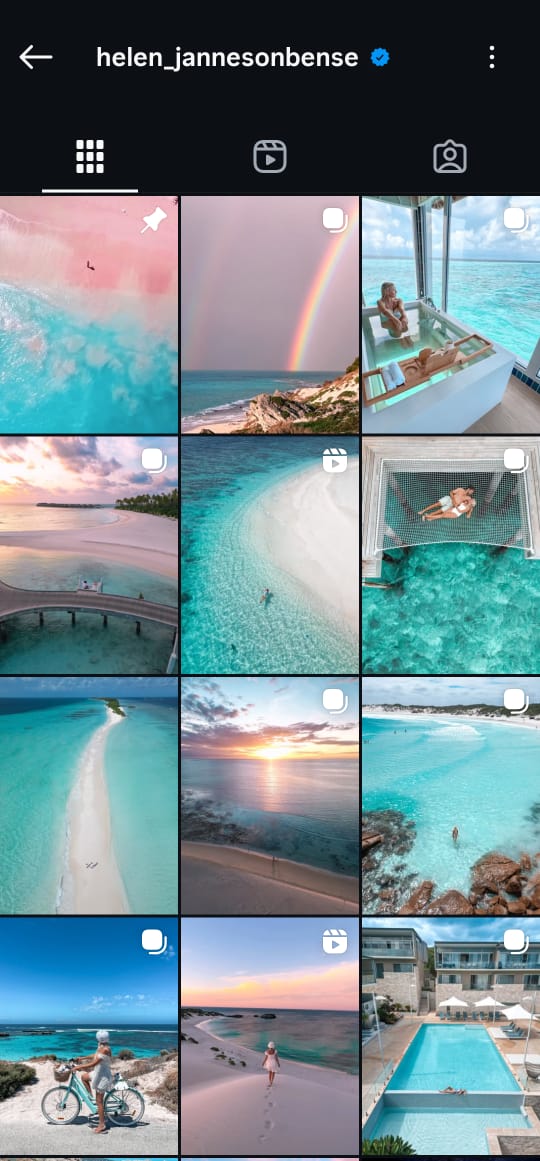
Your aesthetic is your visual signature—the overall look and feel that makes your feed instantly recognizable. This isn’t just about pretty pictures; it’s about reinforcing your brand identity.
Consider these elements:
- Color palette: 3–5 consistent colors that align with your brand
- Editing style: Use consistent presets or filters
- Font choices: Legible, on-brand typography for text overlays
- Overall mood: Bright and airy? Moody and dramatic? Clean and minimalistic?
Consistency in your visual brand helps you stand out and signals professionalism to both followers and potential brand partners. For more on building your Instagram content strategy, check out my comprehensive guide.
Phase 2: Content is King—Creating Value That Resonates
With your foundation in place, it’s time to create content that attracts, engages, and retains your audience. Remember: content isn’t filler. It’s the heart of your influence.
6. How Do You Develop a Unique Content Strategy?
A content strategy means understanding why, what, when, and how you’re posting.
Key components:
- Value proposition: What unique perspective do you bring?
- Content mix: Diversify across Reels, Stories, Carousels, and Lives
- Posting frequency: Aim for 3–5 feed posts per week minimum
- Content calendar: Plan content in advance to maintain consistency
Quality trumps quantity, but consistency is non-negotiable. Batch content creation helps you maintain a posting schedule without burning out. I cover the complete process in my social media content creation guide.
7. Why Are Instagram Reels Your #1 Growth Tool?
If there’s one piece of advice for growth in 2025, it’s this: master Reels. Instagram prioritizes short-form video, and Reels have the highest organic reach potential. According to Cropink, Reels reach 726.8 million users and generate 1.36× more reach than carousels.
Reels best practices:
| Element | Best Practice |
|---|---|
| Length | 30–90 seconds optimal for engagement |
| Hook | Capture attention in first 1–3 seconds |
| Audio | Use trending sounds, but add original value |
| Captions | Always include—most users watch without sound |
| CTA | End with clear call-to-action |
Instagram’s algorithm rewards early adopters of new features, so when new Reel tools drop, test them immediately. For more on maximizing video content, see my comparison of TikTok vs Instagram.
8. How Do You Write Captions That Drive Engagement?
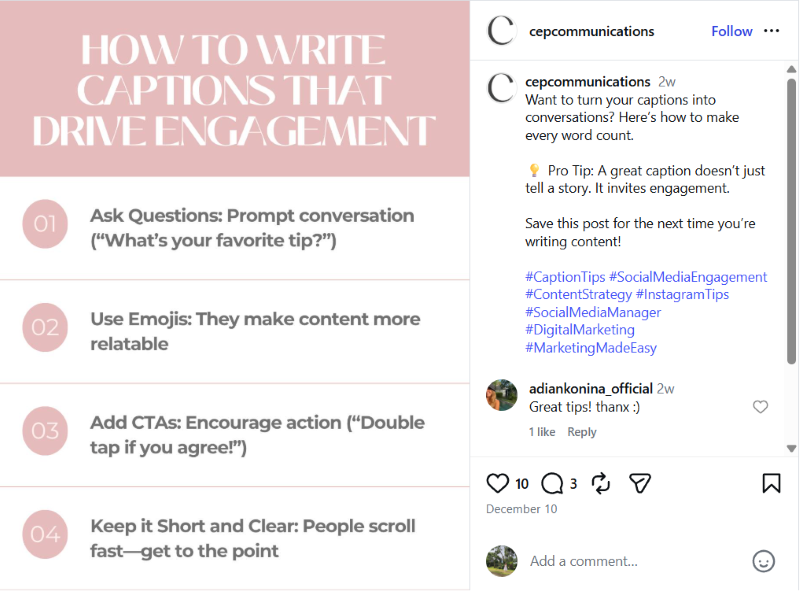
Your visuals hook them. Your captions reel them in and build connection.
Caption formula:
- Hook first: Start with a question, bold statement, or intriguing sentence
- Tell a story: Share personal anecdotes or lessons learned
- Provide value: Offer tips, insights, or new perspectives
- Clear CTA: End with a directive that encourages engagement
Examples of effective CTAs:
- “Save this for later 📌”
- “Tag someone who needs to hear this”
- “Drop a 🔥 if you agree”
- “What’s your experience with this?”
Show up on Stories daily too—polls, Q&As, and behind-the-scenes content build intimacy with your audience. Check out my Instagram post ideas for more engagement-driving content formats.
9. How Many Hashtags Should You Use in 2025?
The hashtag game has evolved. Instagram’s own @creators account recommends using 3–5 highly relevant hashtags rather than stuffing all 30.
Updated hashtag strategy:
- Quantity: 3–10 targeted hashtags (quality over quantity)
- Mix: Combine broad, niche, and specific tags
- Placement: Put hashtags in your caption, not comments, for better search ranking
- Research: Use tools to find hashtags your target audience actually searches
| Hashtag Type | Example | Use Case |
|---|---|---|
| Broad | #FitnessTips | High volume, high competition |
| Niche | #VeganMealPrep | Medium volume, targeted reach |
| Specific | #30MinuteWorkouts | Low competition, highly specific audience |
For hashtag research tools, check out my roundup of the best Instagram hashtag generators.
10. How Do You Master the Art of Engagement?
Instagram is a social platform. Genuine engagement is the lifeblood of your influencer journey.
Engagement tactics that work:
- Respond to every comment and DM—especially when you’re starting out
- Engage first: Don’t wait for people to come to you. Comment meaningfully on accounts in your niche
- Go Live regularly: Real-time interaction builds deeper connections
- Use Story stickers: Polls, quizzes, and question boxes drive interaction
- Pin comments: Strategic pinning can shape conversation
One growth hack: Leave thoughtful comments on larger accounts in your niche. If your comment gets pinned, you’ll gain significant visibility with their audience.
What you should never do: Buy followers, use engagement pods, or employ spammy growth tactics. These kill your engagement rate and credibility. For more on understanding your Instagram engagement rate, I’ve got you covered.
Phase 3: Growth and Monetization—Turning Influence into Income
This is where passion translates into paychecks. Building an audience is one thing; leveraging that influence ethically and profitably is another skill entirely.
11. How Do You Network with Other Creators?
The influencer space can feel competitive, but collaboration beats competition every time.
Networking strategies:
- Use the Collabs feature: Instagram’s native Collabs tool lets you co-author posts that appear on both profiles
- Cross-promote: Do joint Lives, Story takeovers, or Reel collaborations
- Build genuine relationships: Think long-term partnerships, not one-off transactions
- Join communities: Connect with creators in private groups and at industry events
The key is finding creators with complementary (not competing) audiences. When you collaborate, both communities discover new value. I’ve compiled a list of influencer apps for brand collaborations that can help you find partnership opportunities.
12. What Instagram Metrics Actually Matter?
Follower count is a vanity metric if engagement doesn’t back it up. Brands care about these KPIs:
| Metric | What It Tells You | Target Benchmark |
|---|---|---|
| Engagement Rate | Audience loyalty and content resonance | 1–5% depending on tier |
| Reach | Unique accounts seeing your content | Growing month-over-month |
| Saves | Content value (saves = bookmarks for later) | Higher ratio indicates valuable content |
| Shares | Viral potential and word-of-mouth | Most impactful engagement type |
| Story Views | Active audience engagement | 10–15% of followers |
Source: Hootsuite
Use Instagram Insights regularly, and consider third-party social media analytics tools for deeper analysis. Knowing which content performs best lets you double down on what works.
13. How Do You Build a Media Kit That Lands Brand Deals?
Your media kit is your professional resume for brands. It’s a polished document that showcases your value proposition at a glance.
What to include in your media kit:
- Bio/Introduction: Your story, mission, and what makes you unique
- Audience demographics: Age, gender, location, interests from Instagram Insights
- Engagement metrics: Average engagement rate, reach, impressions
- Content examples: Screenshots of high-performing posts
- Past collaborations: Logos or case studies of previous brand partnerships
- Services and rates: What you offer and pricing (or “rates upon request”)
- Contact info: Professional email
Free tools like Canva offer media kit templates that look professional without design experience. For more guidance, see my post on how to create an influencer media kit.
14. What Are the Best Ways to Monetize Your Instagram Influence?
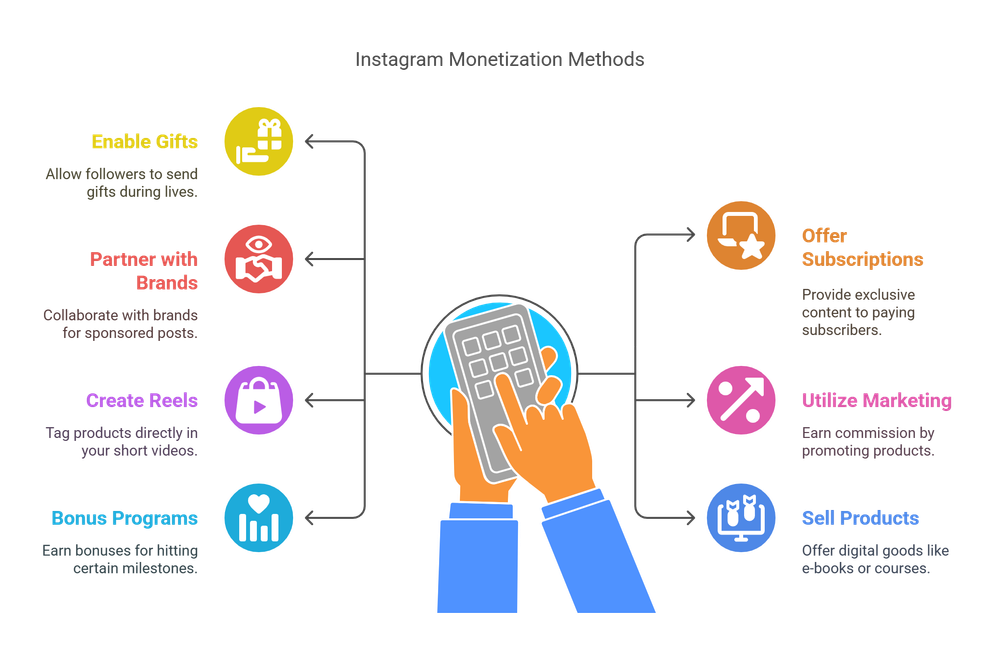
Diversification is key. Don’t rely on a single income stream.
Brand Collaborations & Sponsored Posts
The most common monetization method. Brands pay you to create content featuring their products or services.
Sponsored post rate guidelines (2025):
| Tier | Feed Post | Reel | Story (3-frame) |
|---|---|---|---|
| Nano | $10–$100 | $50–$150 | $25–$75 |
| Micro | $100–$500 | $200–$800 | $100–$300 |
| Mid-Tier | $500–$5,000 | $1,000–$5,000 | $300–$1,000 |
| Macro | $5,000–$10,000 | $5,000–$15,000 | $1,000–$3,000 |
Sources: Shopify, UGC Factory
Pro tip: Usage rights significantly affect pricing. If a brand wants to run your content as paid ads, that’s a premium service.
Affiliate Marketing
Earn commission when followers purchase through your unique links or codes. Top programs include:
- Amazon Associates: Broad product selection, lower commissions (1–10%)
- LTK (RewardStyle): Fashion and lifestyle focused, higher commissions
- ShareASale: 6,500+ brand partners across categories
- Impact: Premium brand partnerships
Always disclose affiliate relationships—it’s legally required and builds trust.
Selling Your Own Products or Services
This is where profit margins get serious. Consider:
- Digital products (e-books, presets, templates)
- Online courses or coaching
- Physical merchandise
- Instagram Shop for direct selling
Instagram Subscriptions & Badges
Instagram’s native monetization features include:
- Subscriptions: Offer exclusive content to paying subscribers (requires 10,000+ followers and a professional account)
- Live Badges: Followers purchase badges ($0.99, $1.99, $4.99) during your Lives to show support
Whitelisting & Dark Posting
Advanced tactic: Let brands run paid ads using your content and handle. You typically charge a premium for this, as brands are essentially renting your credibility for their advertising.
For more monetization strategies, check out my comprehensive influencer marketing strategy guide.
Phase 4: Sustaining Your Influence—The Long Game
Building an audience is one thing. Maintaining relevance and longevity is another challenge entirely. This phase separates flash-in-the-pan creators from career influencers.
15. How Do You Stay Authentic While Monetizing?
Trust is your most valuable currency. Once you lose it, rebuilding is nearly impossible.
Authenticity guidelines:
- Balance sponsored and organic content: Follow the 3:1 rule—three organic posts for every sponsored post
- Only partner with brands you genuinely use or believe in
- Say no to deals that don’t align with your values—your audience will notice inauthenticity
- Maintain transparent disclosure: Always clearly mark sponsored content
As the Harvard Business Review notes, “Influencer marketing is now a $24 billion industry, yet trust is eroding.” Stand out by being the exception—the creator your audience trusts precisely because you’re selective about partnerships.
16. How Do You Adapt and Evolve With the Platform?
Instagram’s algorithm and features change constantly. What works today might not work tomorrow.
Stay ahead by:
- Following @creators on Instagram: Official platform updates and best practices
- Testing new features early: Algorithm rewards early adopters
- Reviewing analytics monthly: Identify what’s working and what’s declining
- Investing in skill development: Better editing, photography, copywriting
- Evolving your content style: Grow without losing your core identity
I track the latest changes in my social media trends coverage—bookmark it for regular updates.
17. How Do You Overcome Common Influencer Challenges?
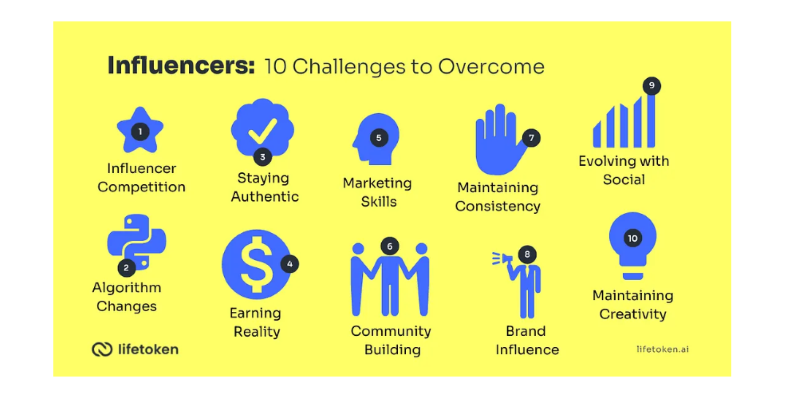
You will face obstacles. Every successful influencer has.
Challenge: Algorithm changes and reach drops
Solution: Focus on creating genuinely valuable content. Algorithms change, but quality and engagement never go out of style.
Challenge: Burnout from constant content creation
Solution: Batch content, take scheduled breaks, and remember why you started. Protect your mental health—it’s not worth sacrificing.
Challenge: Negative comments and trolls
Solution: Develop a thick skin. Block, delete, and move on. Don’t feed trolls; focus on your supportive community.
Challenge: Slow growth periods
Solution: These are normal. Use plateaus to refine your strategy, experiment with new formats, and double down on engagement.
For more on building a sustainable approach, explore my guide on organic social media strategy.
Frequently Asked Questions About Becoming an Instagram Influencer
You can become an influencer with as few as 1,000 engaged followers. Brands increasingly prefer nano-influencers (1K–10K) for their authenticity and higher engagement rates. Focus on engagement quality over follower quantity.
Earnings vary widely based on niche, engagement, and content type. Nano-influencers typically earn $10–$100 per post, while micro-influencers earn $100–$500. Top macro and mega-influencers can command $10,000+ per post. Most influencers diversify income through affiliate marketing, digital products, and brand partnerships.
Building a sustainable influencer career typically takes 6–24 months of consistent effort. Some see rapid growth in 6–12 months; others take several years. Focus on value creation and community building rather than chasing viral moments.
No. A modern smartphone with a good camera is sufficient to start. Prioritize good lighting (natural light works great) and clear audio over expensive gear. Upgrade equipment as your income and needs grow.
Absolutely. Many successful influencers build their brand alongside full-time employment. It requires discipline and time management, but having stable income reduces pressure and lets you pursue authenticity over desperation.
The Road Ahead: Patience, Persistence, and Passion
Becoming an Instagram influencer in 2025 is a legitimate career path—but it requires treating it like one. The four-phase journey we’ve covered—foundation, content, monetization, and sustainability—provides your roadmap.
Remember:
- Influence is built, not given
- Skills matter more than follower counts
- Authenticity is your competitive advantage
- Consistency beats viral moments
The creator economy isn’t slowing down. According to industry data, 69.7% of marketers at companies with over 100 employees plan to use influencer marketing in 2025. The opportunity is real and growing.
Ready to start? Go back to Phase 1. Define your niche today. Optimize your profile this week. Post your first piece of strategic content. The best time to start was yesterday. The second-best time is now.
For more resources on building your influence, explore my complete guide to influencer marketing best practices.
Actionable advice for your digital / content / influencer / social media marketing.
Join 13,000+ smart professionals who subscribe to my regular updates.