




Loneliness is a beast, but it’s also one of those universal sentiments that can ironically make us feel closer to others.
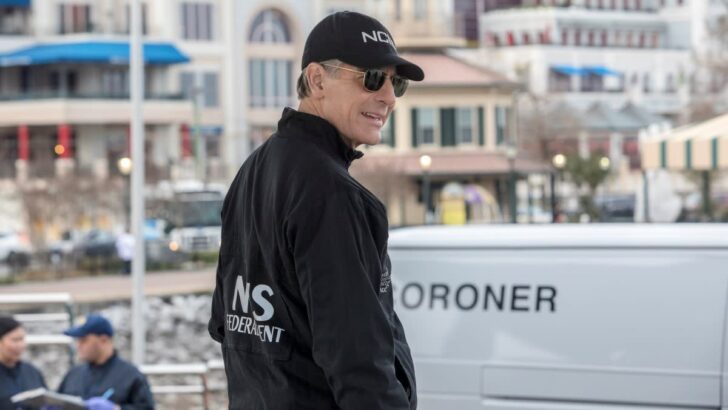
It certainly was what made Cliff Wheeler such a fascinating character to dig into further on NCIS: Origins Season 2 Episode 7, in an hour that cleverly and subtly touched upon the frustrating state of public perception and the ramifications of being openly gay in the military.
What was most striking about this hour was how it managed to juggle three key themes of the complexities of sexual orientation and the subsequent discrimination that comes with it, sexism, and, of course, loneliness.
The Universality of Loneliness
It’s the first significant hour to thoroughly explore Wheeler since NCIS: Origins Season 1 Episode 17. His home life is nothing short of complicated and heartbreaking.
With Gibbs’ voiceover, it was apparent that Wheeler is a man no one really checks on or checks in with, and it seems he’s a means to an end professionally and sometimes personally, too. It’s largely why his relationship with Noah is so meaningful.
Through Noah, he’s found love, companionship, and someone who genuinely cares about his day and prioritizes him. But what good is that amount of love and support if you can’t live it out loud and openly?
We’re not nearly as progressive as we love to think that we are, and even 30 or so years ago, when it hardly seemed like a blip on the radar, we still had a military that could dishonorably discharge an otherwise stellar soldier simply because of who they love or chose to sleep with in their off-time.
Someone like Wheeler could be stripped of his title and job because of discrimination.
Origins Poignantly Explores the Quiet Battles with Discrimination in Institutions
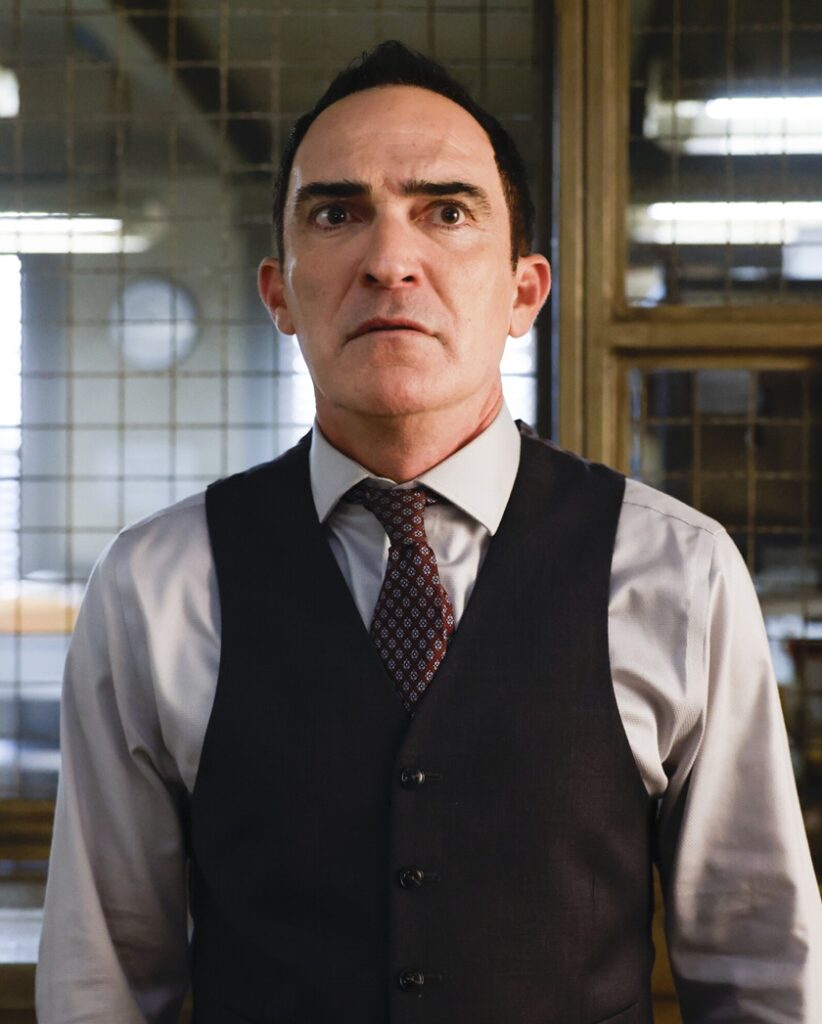
There was so much to lose professionally that sometimes what one gained personally couldn’t offset it enough. And there’s a genuine tragedy in that, how something so pure as love could be so taboo that one’s entire life could crumble.
And thus, we have Wheeler with this profound loneliness, even when others are around, not to mention the secrecy that eats away at him.
We’ve known how much his life is a facade, but the hour confirms that Wheeler’s wife knows about him. It seems like the two are in a “lavender marriage.” But his world goes into a tailspin when she chose to divorce him because it meant he couldn’t hide behind her anymore.
It’s such a crappy situation for everyone. Wheeler deserves to be happy with whomever he desires without fear of losing it all, and Mrs. Wheeler deserves to be in a happy marriage with someone who desires her. Surely, it’s exhausting to keep up pretenses for both of them.
But it leaves Wheeler in a position where he can’t be with the person he’s in love with or with the woman he cares about, and that just leaves him all alone — a fate he’s adapted to but doesn’t necessarily like.
To Be Known, to Be Seen, to Be Wheeler
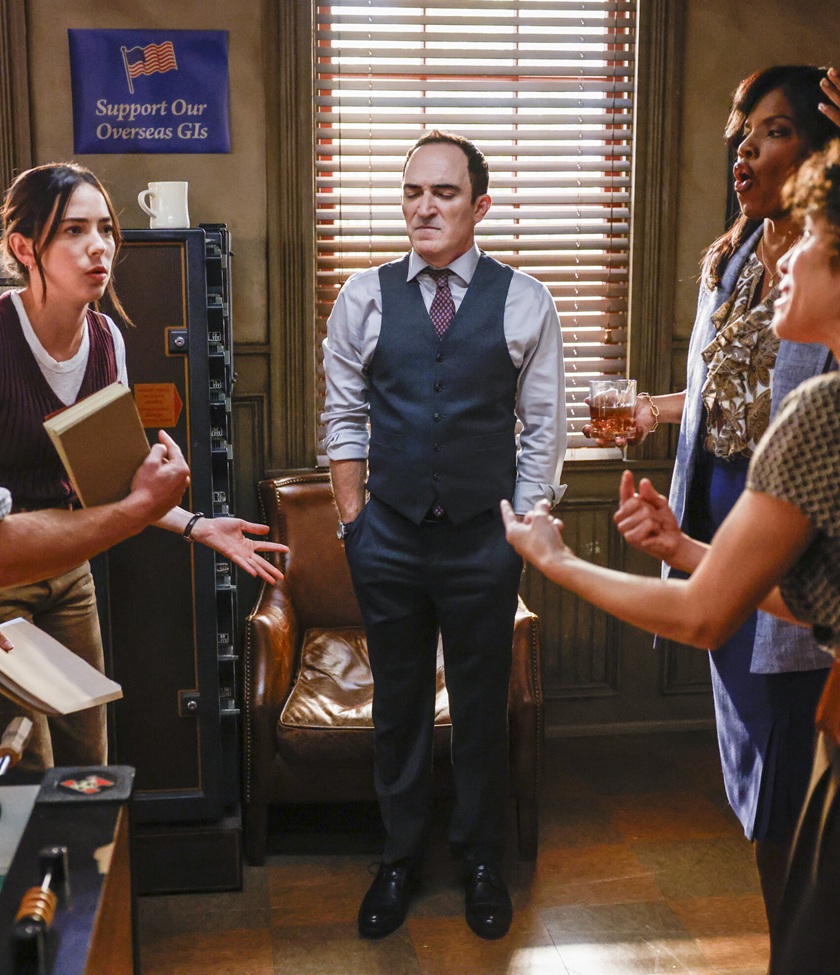
What I love about Origins is that for most of the series, it’s so easy for us to look at this character through the lens of others — especially as it pertains to the job — that when they do give us these peeks into who he is, it’s so unexpectedly compelling.
His anxiety, neuroticism, and how easily he’s overstimulated — they’re all these little factors that make him so relatable in a way that doesn’t click into place until those perfect moments when Origins reminds you of it.
And the hour makes us understand Wheeler as well as sympathize with and cherish him a bit more than the other characters seem to at times. Of course, that’s outside of Mary Jo.
I genuinely wondered how things would come to fruition with Mary Jo piecing together his secret during NCIS: Origins Season 2 Episode 4. To no surprise, the series handles it beautifully, and every single Mary Jo and Wheeler scene choked me up, particularly the final one.
She’s just such a pure-hearted, good, loving, and supportive person. Mary Jo isn’t just the holder of secrets; she’s the protector of feelings and a wonderful sounding board.
Mary Jo continues to be a safe space for everyone in a way that’s so complex: it’s a beautiful part of who she is, but it also often comes at great personal cost.
Keeper of Secrets, Protector of Hearts — Mary Jo is EVERYTHING
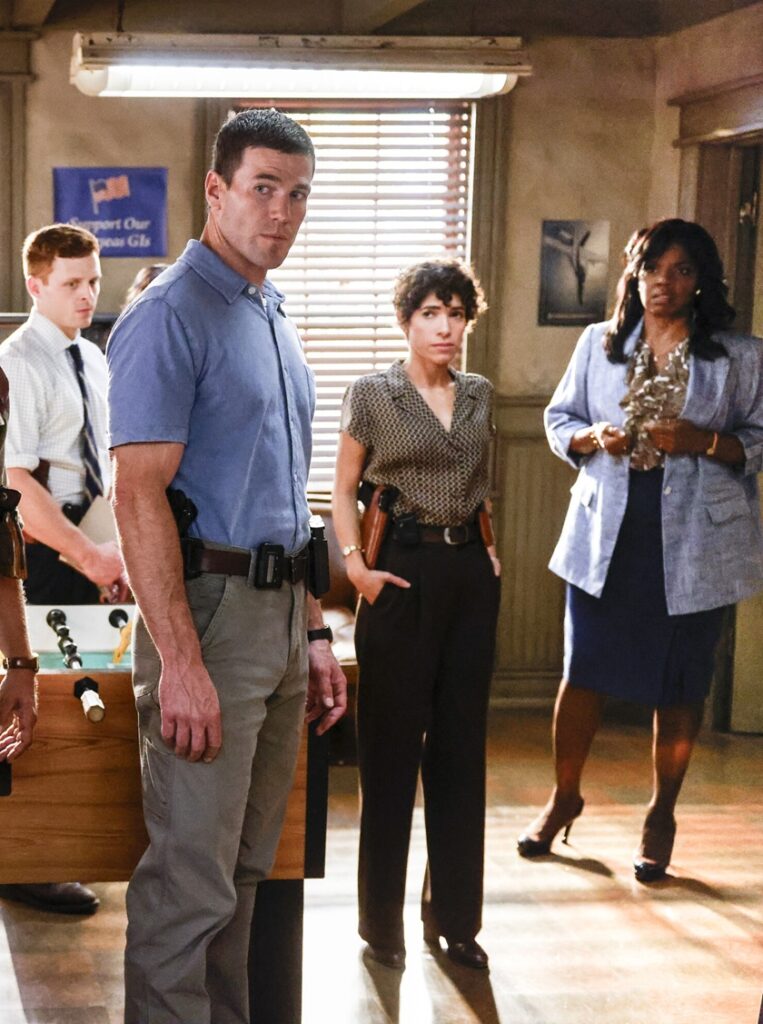
She knew how deeply the divorce was affecting him for reasons beyond what most could consider. And she’s always attuned to his proclivities and quirks and does her best to accommodate or adapt to his needs, even when he doesn’t always show appreciation.
I loved when she could tell how overstimulated he was and tried to stop everyone and redirect them. There are special moments in this series where she feels like Mike’s work wife, and installments like this where she feels like Wheeler’s handler—the one who could stand between him and everyone else when needed most.
She learned that from those cherished experiences in the kitchen with her father cooking, and I interpreted that admission also to imply that her father was a queer man as well, and she protected his secret, too.
But what was lovely about how the truth came out between them was that she likely never would’ve said anything at all if not for her knowing how much he would hate himself if he reported another queer man and was responsible for Montgomery facing misconduct strikes and a discharge.
It was a fascinating conundrum — the things that happen when you’re simply trying to navigate and survive a system that actively works against you, but then you, too, have to uphold it and all of its harm.
Don’t Ask. Don’t Tell. — Always Protect
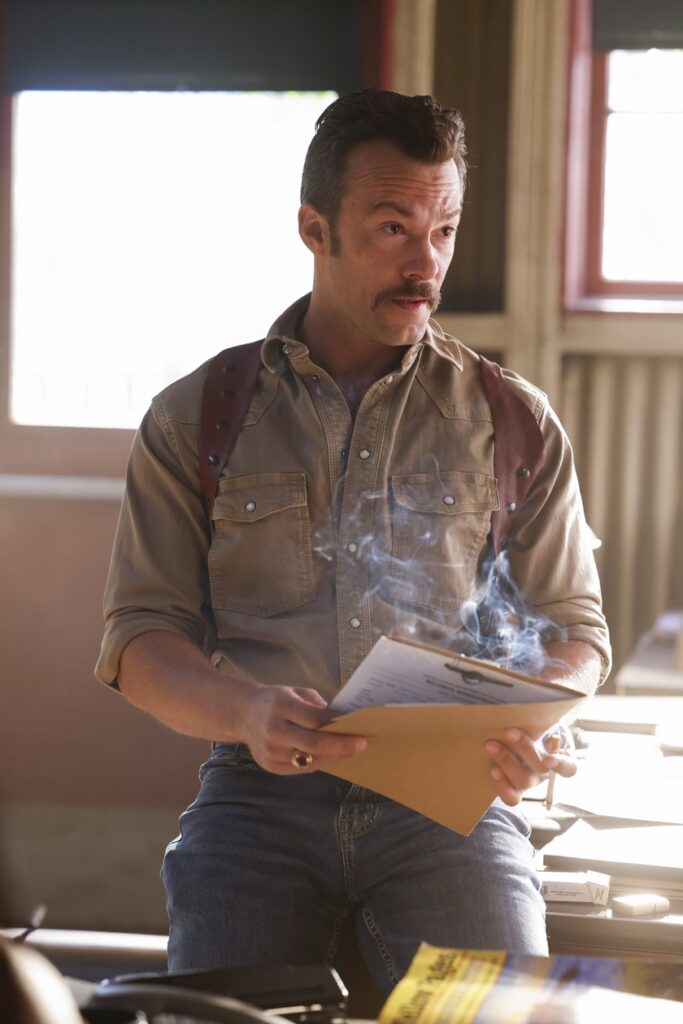
He would have never forgiven himself, and I’m glad Mary Jo put her foot down on the matter, making him actively choose himself if he was going to do that dirty work. And in doing so, he extended Montgomery the grace he deserved.
Plus, favors beget favors, right?
Montgomery was not only grateful but seemed to recognize the dual meaning behind Wheeler’s explanation of why he couldn’t do it. And somewhere down the line, that discretion and community — Wheeler, ironically, giving Montgomery the ability not to feel alone — will serve him well.
The loneliness component was also beautiful to see, as Wheeler and Mary Jo bonded. They’re both characters whom others take for granted and don’t check in with much, and they’re not strangers to loneliness.
No, Wheeler doesn’t have his wife anymore, and he’s essentially orchestrating Noah’s relocation to avoid further risks. But despite that, he has a new support system with Mary Jo, and that can keep the dark licks of loneliness at bay a little.
Lala’s Loneliness Is a Fascinating Loose Thread
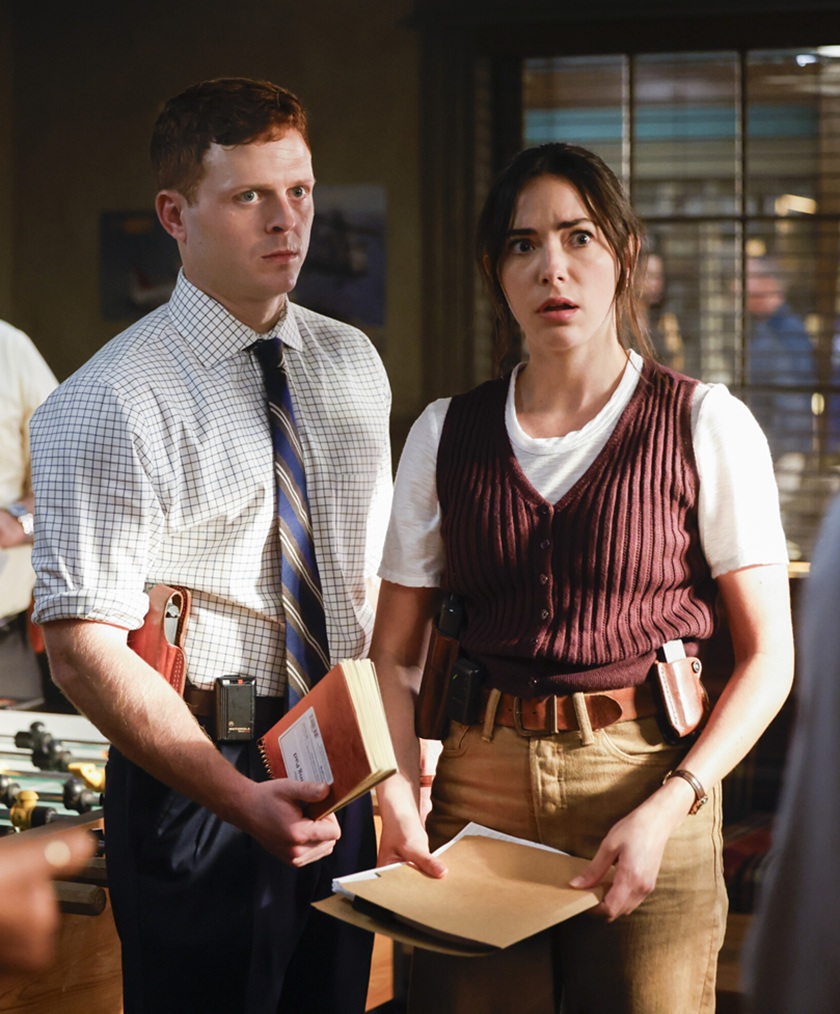
Similarly, Lala had to deal with her own swell of loneliness and her fear of Vera leaving her. Because doesn’t loneliness and abandonment go hand in hand?
It was difficult for her to be happy for Vera and this potential job opportunity that would take her to the other side of the country because it would also mean losing her friend, and it hurt her that Vera didn’t consider that or tell her about it at all.
And Vera was just as valid for being upset that Lala wasn’t wishing her well. Thankfully, the two mended fences, and it seems Vera will try to have her own task force on the West Coast. I do wonder if this is how we’ll get into Young Dwayne Pride’s arrival.
I love when the girls have moments together because we don’t always get that, and the sisterhood amongst Vera, Lala, and Mary Jo is so endearing.
It also aligned well with the hour, subtly delving into what it’s like for Lala as a woman on the team.
Navigating Gender-Related Microaggressions Never Goes Away
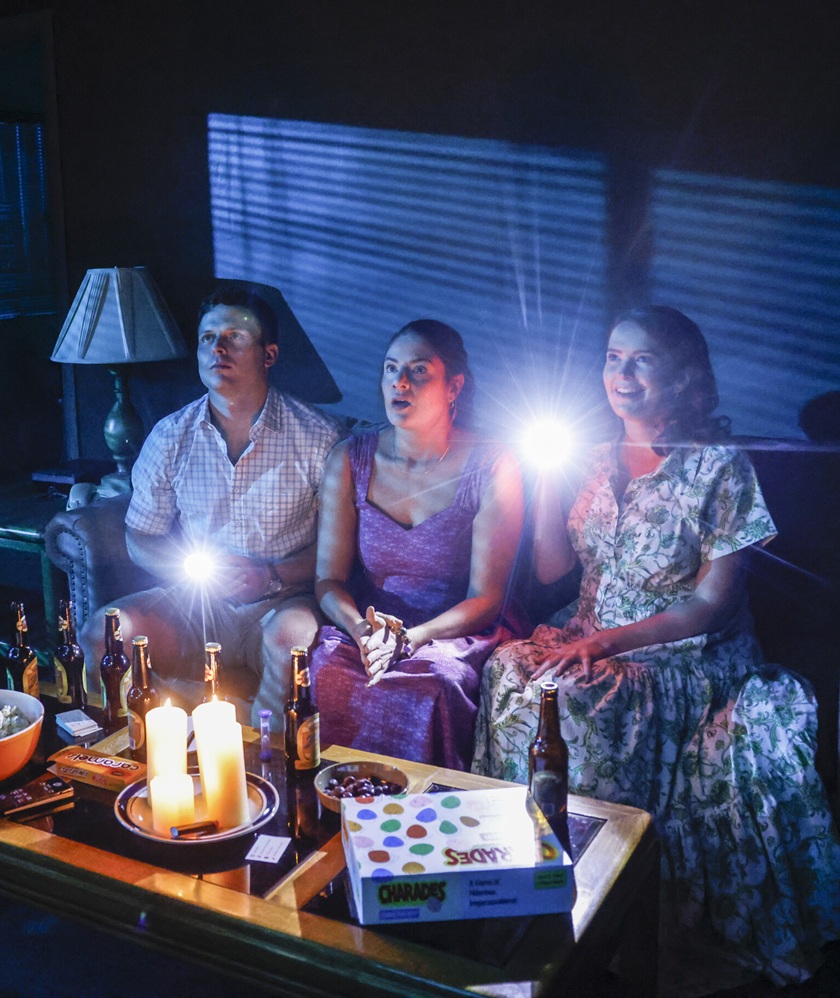
The guys always mean well, but they’re always treating her like she’s “just a girl,” like trying to protect her in the field, while simultaneously treating her like “one of the boys” and stripping her of her femininity in the little ways.
I’m willing to bet that the reason Junie never made a dress for Lala is that Randy made it seem like Lala would never wear it, and that she’s just his “tomboy” coworker, he doesn’t associate with softness and femininity.
And even though they all poked fun, avoided, and knew she was upset about Vera, getting her a cheer-up gift comprised of lotions and things that she DOES actually like eluded them because they don’t see her that way.
It’s so typical. They forget Lala’s a woman for all the reasons that matter and only fixate on it during all the moments that shouldn’t.
The case did a great job of pulling that out, too.
Mike, bless him, couldn’t stop calling Natasha, the victim, a “Lady Marine” rather than just a Marine. He uses Lala’s womanhood as a weapon or skill set to enhance his team, not unlike how Montgomery spoke similarly about Natasha.
NCIS: Origins Balances Themes, Heart, and Humor Well
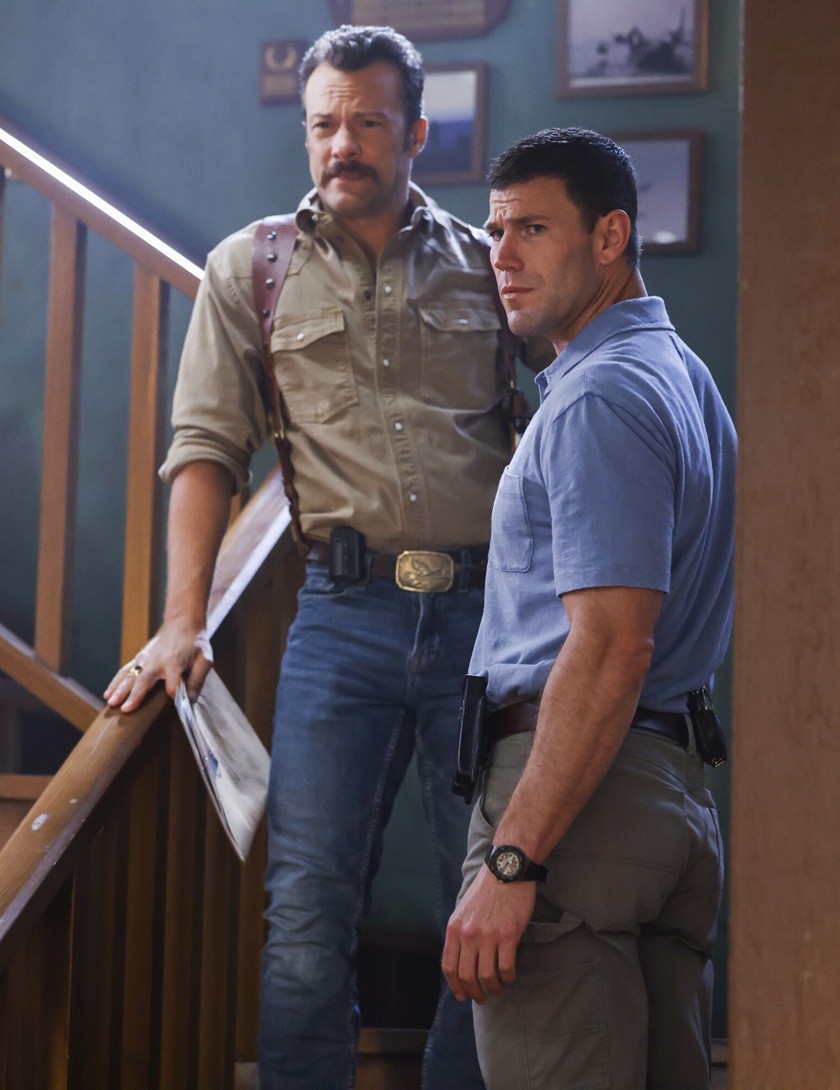
They also showed how even as a queer man, Montgomery wasn’t exempt from that casual microaggressive manner regarding women.
Just as it was challenging to navigate the military and professional institutions as queer people at the time (and even presently), it was/is for women as well.
All the women forced to bunk together in one space was a remarkable parallel to Lala not actually having a locker room, just a curtain to divide her space from the guys.
And the soldiers spoke about what they endured as women, not to mention how uncomfortable they looked with Gibbs’ presence once they realized he was a fellow Marine.
Meanwhile, Natasha’s death was a frustrating reality. A guy who felt slighted because she didn’t want to date him killed her and dumped her body. Some things never change.
NCIS: Origins has a great way of incorporating all these little things that feel organic and highlight the complexity and realism of its characters.
Chit-Chat from the Bullpen:
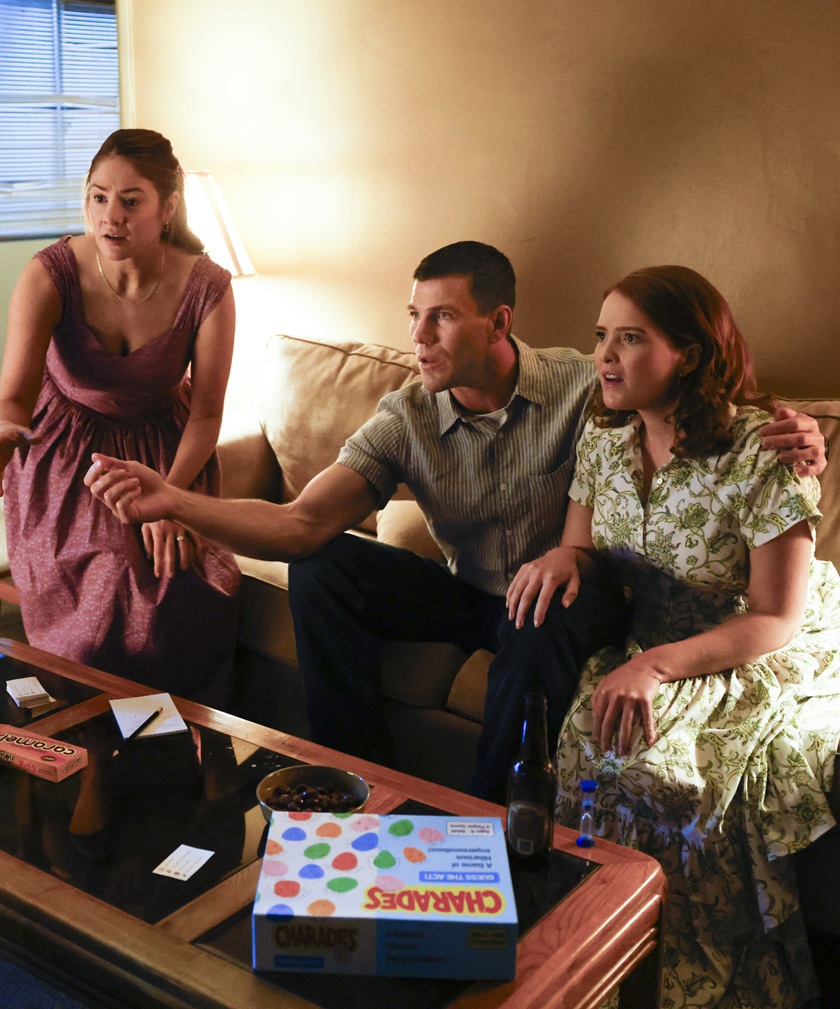
- That date night was the absolute cutest thing ever. Junie and Randall are such a cute pairing, and I’m enjoying Gibbs and Diane more than I thought I would.
- Lala was really taking some hits during this episode. I felt for her on all fronts. But it’s interesting how much she feels displaced because of Diane.
- Mike, trying to support Wheeler by talking about Tish and giving him advice, made me smile. He’s such a secret softie.
- Rick Cosnett was so good in this. I went from genuinely thinking Montgomery was a horrible man who killed Natasha to utterly heartbroken for him, and Cosnett played all these layers well.
- Mike letting Gibbs chase the killer was hilarious.
- The Cougar Crazies felt random, and so did that tense moment with the shooter. Maybe they’ll come back up later, though.
- Wheeler telling Mary Jo that she’s not insignificant didn’t make me cry or anything. Shut up. It didn’t!
- The series’ humorous elements remain top-notch. It’s a balance that works — you can’t have the humor without the darkness, just like life. It’s the only way you can properly appreciate those moments in the first place.
Love this show? Clearly, we do too — and we want to keep writing about it. So, if you enjoyed the review, please, let us know. Rate the episode yourself, too!
Your comment or share can help make sure we get to keep writing about it. That’s the magic of supporting indie media.

NCIS: Origins’ Latest Casting Reaffirms Its Pride in Honoring the Franchise’s Legacy. Period.
NCIS: Origins’ latest casting of NCIS: New Orleans’ Pride proves that it knows how to honor the legacy of the franchise.
Characters of the Week: Captivating, Inspiring, Creepy — And Living Rent-Free in Our Heads
Our latest Characters of the Week are still living in our heads rent-free. From Doc and Murder in a Small Town, to Palm Royale, check it out!
NCIS: Origins Season 2 Episode 6 Celebrates Its Human Ray of Sunshine with Quips, Callbacks & James Brown
It’s Randy’s birthday on NCIS: Origins Season 2 Episode 6, but we get to celebrate an endearing hour that highlights the light of the team.
Let Them Cook: Can We Give TV Spinoffs a Break?
TV spinoffs deserve more than a side-eye. From NCIS: Origins to 9-1-1: Nashville, here’s why patience pays off and which shows found their voice.
Characters of the Week: NCIS, Doc and Law & Order’s Heavy Hitters Dominated Every Scene
An NCIS crossover and Doc spotlighted complex female characters, but that’s not all. Check out our Characters of the Week.



TV Fanatic is searching for passionate contributors to share their voices across various article types. Think you have what it takes to be a TV Fanatic? Click here for more information and next steps.
The post NCIS: Origins Season 2 Episode 7 Is a Poignant Examination of Loneliness, Secrecy, Survival & Wheeler appeared first on TV Fanatic.