




Across the country, notably in New York City right now, lesbian bars are throwing “Heated Rivalry” watch parties; in the comments of “Heated Rivalry” TikToks, you will frequently see “I’m a lesbian, and I’m still at the cottage.” The gay hockey romance between two rivals based on books from Rachel Reid’s popular Game Changers series has everyone in a tizzy.
No, seriously, I mean everyone: even Anderson Cooper and Andy Cohen drunkenly referenced the show on CNN’s infamous New Year’s Eve broadcast, and folk-country star Brandi Carlisle confirmed on the same show that it’s all she can think about. The stars were presenters at the Golden Globes this week. You can’t open a social media app without seeing a fan video of Shane Hollander and Ilya Rozanov or an interview with the two men who play them, Hudson Williams and Connor Storrie. If you’re not seeing a tender kiss between the fictional couple, you’re seeing something very silly and endearing from the show’s two leads.
While the series’ and show’s audience has an exponential amount of other women under the queer umbrella who have been openly obsessed with the story and its characters since the first books were released several years ago, straight women are bearing the brunt of puzzled pundits. The rest of women and femmes are largely erased by the current discourse. Yes, of course, straight women are watching, but to narrow the scope of the fanbase for a conveniently “paradoxical” narrative feels disingenuous from the get-go. This show resonates with women, all kinds of women of all sexualities and races and gender identities; omitting these complexities also flattens the plethora of reasons Reid’s story and the Crave original adaptation have captured their hearts and minds.
These past few weeks, since the show’s Boxing Day finale, there have been constant interviews with showrunner and director Jacob Tierney, author Rachel Reid, and the main cast of the show, including Storrie, Williams, and, frequently, Francois Arnaud, who plays the pivotal role of Scott Hunter. In almost every interview, you can guarantee that a certain question will be asked: Why are women, particularly straight women, so into this?
The question has been asked and answered to death at this point, and the discourse surrounding “Heated Rivalry”’s woman-dominated fanbase has grown increasingly suffocating. As the show is distributed more widely (they finally made their UK debut on January 10th, and there are more European releases to follow), the audience continues to grow, bringing more eyes and more analyses. Almost every bit of commentary tackling the question of why women and femmes love this show has been written by men, albeit gay men, and the cast and crew asked most about it are also men.
While they’ve all answered the question several times over and very thoughtfully, Connor Storrie recently answered it for Quinn Media and closed out in the way I’ve liked best: “At the end of the day, though, we’re both men. I have no idea what it’s like to be a woman. So y’all tell us.”
There are, of course, the obvious reasons women enjoy the show, which have been pointed out at length by Reid herself, the showrunner, and the cast. Jacob Tierney has spoken at length on podcasts like What Chaos! and to outlets like Vulture about how removing women from the love story gives them the freedom to actually enjoy it.
Though some don’t believe he’s entirely genuine. Coleman Spilde of Salon theorized Tierney is only so loudly supportive because “anything other than unmitigated gratitude for the women who have made this show such a massive success could come at an equally immense cost.” For whatever his reasons, Tierney has been straightforwardly defensive of the show’s audience. This is obviously appealing to women as well. In TV, audiences with a women and femme majority are often treated as silly, trivial, and/or secondary to the desires of the heterosexual male masses. This is a constant for the romance genre specifically, likely due to the overwhelming femme presence.
Storrie and Williams have been very vocal, most recently with Quinn Media, about the fact that male stories remove the quiet threat of sexual violence against women that always seems to be lurking, and that there’s also no designated role for you to see yourself in. There is no breathy protagonist meant to be your only entry point to the story, and there’s no thematic romantic burden that is so often placed on women.
In particular for straight women and women who like men, the removal of those expectations can be incredibly freeing when heterosexual relations are narratively off the table. All of this opens the door for women to put their minds at ease and allow themselves the space to actually enjoy and feel. And on top of that, most people can appreciate something being sexy. Irrefutable connection is sexy; secret love affairs are sexy; undeniable chemistry is sexy; yearning is sexy. And explicit and enthusiastic consent is sexy, a particularly intentional highlight in “Heated Rivalry,” the show, and in Reid’s books.
Men/Men (MM) romances like “Heated Rivalry” please women, and they have for a long time. While there have been and need to be good faith conversations around where the lines are being blurred between admiration and fetishization, the brush currently painting women’s intrigue and interest in this smutty, gay story as a fetish is a broad one. Some of the most rabid fans of the Game Changers book series are actually on the spectrum of asexuality, proving again that those commenting don’t know the audience well and that, while hot, this is not sex for the sake of sex.
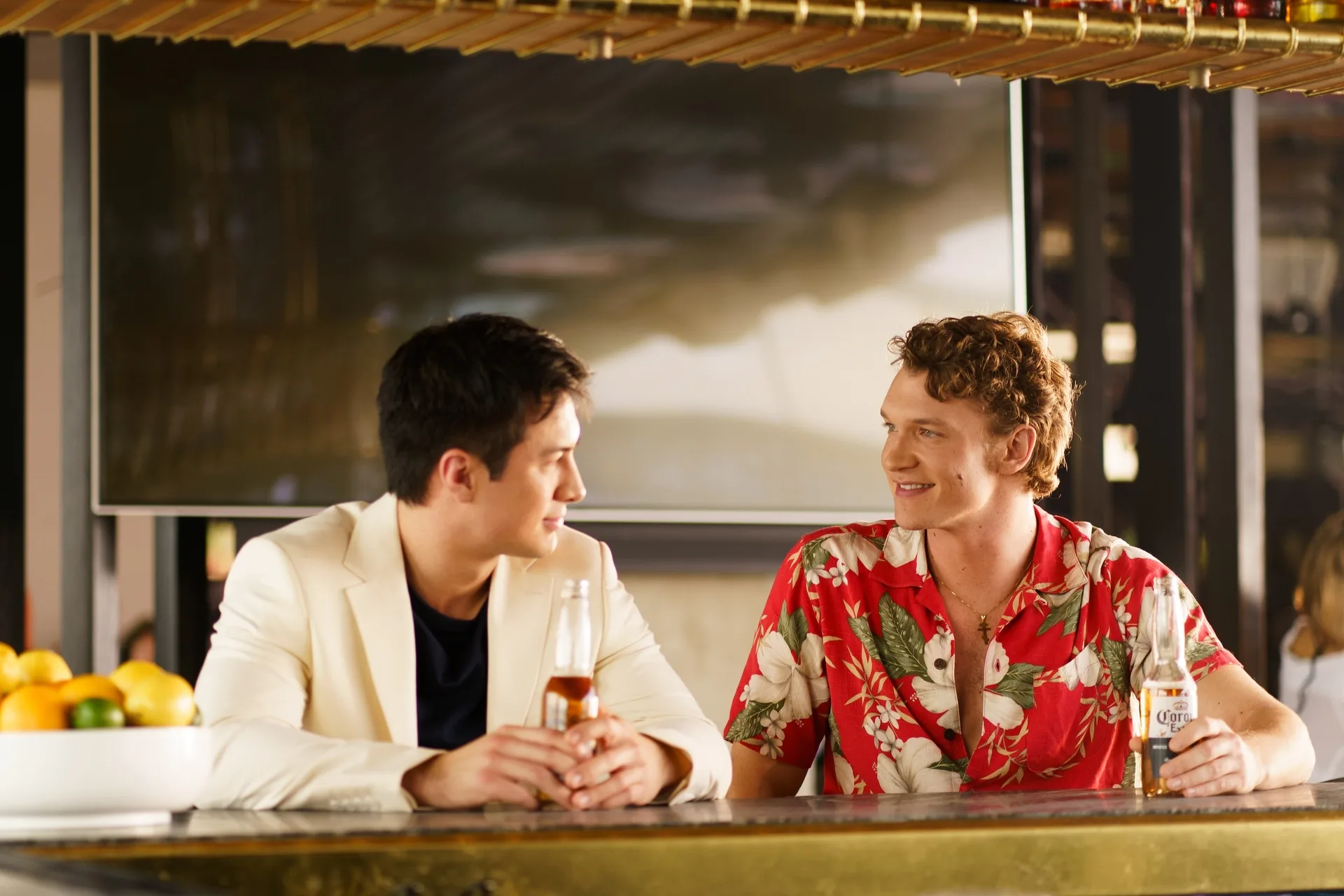
Sex in the genre and Reid’s series, especially in “Heated Rivalry,” is used as a plot device. It’s a vehicle for a larger emotional story, adding several layers to an already layered experience. Both Shane and Ilya struggle with communication in the first half of the show, so much is communicated through their bodies instead. Their desperation, their growing adoration, and their fear all come through in their sex. They also use it to connect with one another and actually be themselves in a way they can’t in the public eye, and that freedom opens them up to genuine intimacy. While these layers have been overlooked in favor of appreciating the well-choreographed and well-acted scenes of physical intimacy, that doesn’t change the device it is, and, in truth, for many, that may be why it’s so hot.
Arnaud had a good quote in this vein for E! News when asked about the show’s female audience. While the interviewer prompted him to highlight the draw of explicit sex scenes, Arnaud turned more to the emotional reasons women, in particular, are drawn to these stories and the genre. The word yearning has been thrown around a lot, but the emotional openness Arnaud named is where the draw lies more than the illicit sex for so many who enjoy MM romance at large. As he states plainly, people are sick of seeing emotionally unavailable men. In the fantasy world of romance, we can see men in a way that many don’t allow themselves to be seen.
The emotional vulnerability that Reid brings to her characters translates beautifully to the screen, with Storrie and Williams bringing their characters’ inner turmoil and oil spill-like feelings to life. For women to be able to see male characters not only in a positive, vulnerable light, but also in a way that feels safe enough to connect with, is a clear recipe for success.
The relatability of these characters extends beyond their anatomy and who they’re having sex with. Situational relatability alone does a lot of heavy lifting here. The story may be community- or demographic-specific in many ways, but the general themes of repression, denial, and emotional vulnerability that characters like Shane, Ilya, and Scott confront are ones everyone can relate to. Shane is a closeted gay man who’s Asian-Canadian. He is influenced by multiple cultures rooted in the safety and ease of politeness, not being too loud or brash or space-taking.
Adding the pressure of uber-masculinity in hockey, he sees the path of the closet and his robotic nature as the best way to get by. Scott is similar without multiculturalism. He’s a traditional American hockey player who has been rolled right off the hockey conveyor belt. He knows what the expectations are: give 110% on the ice, make off the ice about the name on the front of your jersey, not the name on the back, and toe traditional lines. Ilya, like Shane, has another layer of difficulty.
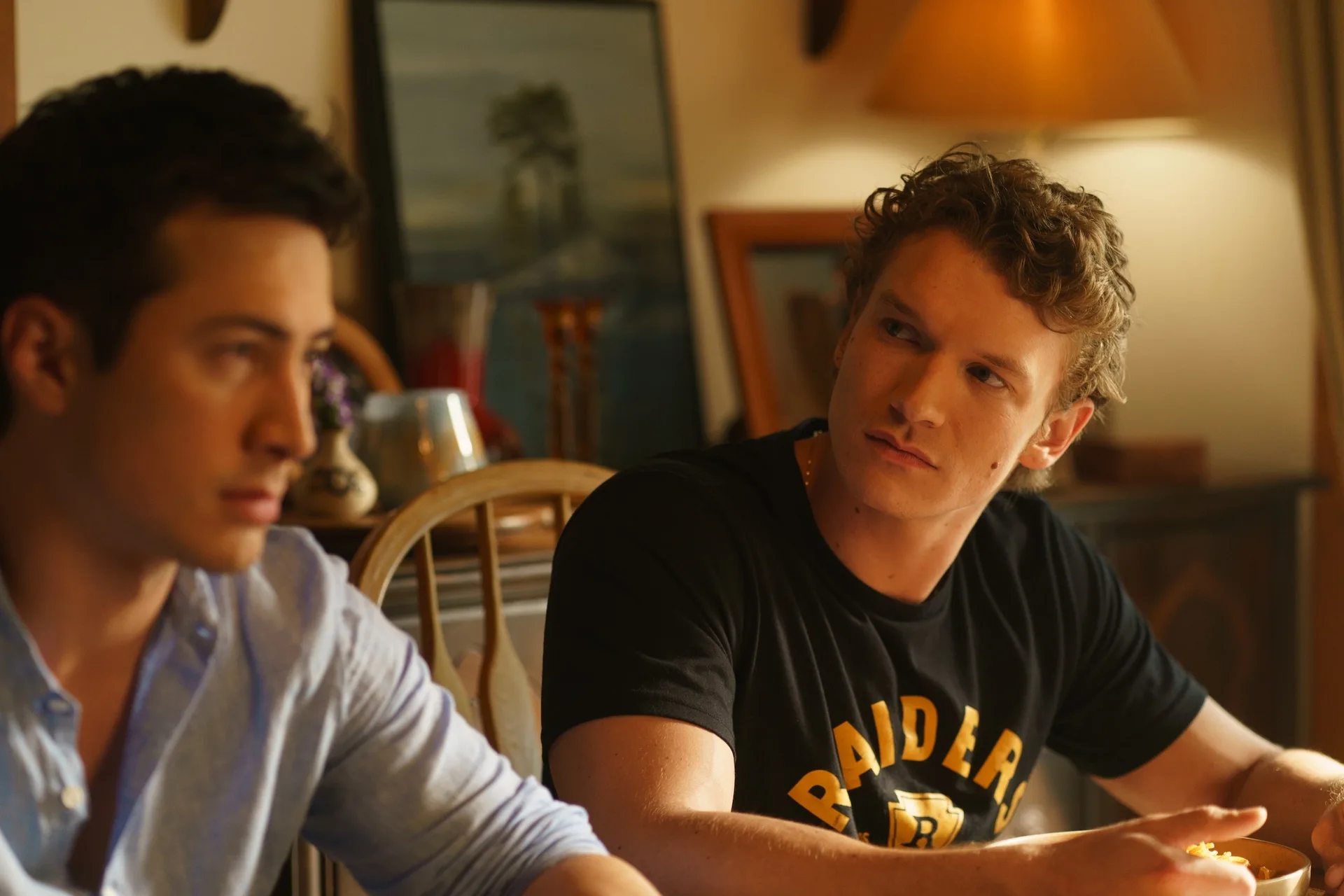
Yes, as a bisexual man, it is an easier time to move sexually, but being a young Russian phenom providing for an ungrateful and deeply harsh family weighs on him greatly. Women historically are forced to make their emotions smaller to be easier and more digestible because god forbid any woman’s emotions are too big in a world that condemns them as irrational or manipulative. We know what boxes we’re meant to fit into and how we are expected to behave; society lays out clean lines just like hockey culture. The prison of hypermasculinity and the societal demand of hyperfemininity aren’t actually so different when you pay attention.
In the end, much of the discourse surrounding the women of the “Heated Rivalry” fanbase comes down to misogyny. The fact that men are the majority of people answering this question by making judgment calls about what women like is proof of this central contradiction. Instead of simply asking women why they like something (or believing their answers, which are frequently discussed in fan spaces), assumptions are made quickly, and judgments are made even faster. When thoughtful answers are given by the female author herself or by the eloquent cast and crew, they’re questioned and pooh-poohed as fan service and marketing techniques to avoid losing the rabid audience. So, with every actual answer repeatedly discounted, the questions keep coming.
Despite the never-ending questions, there is a striking lack of curiosity about the topic at hand. Exploring why women like what we do isn’t inherently a negative endeavor, but that’s not what’s happening. Instead, these questions seem to already have answers, and they’re asked to dismiss or shame what pleases women and what we enjoy.
“Heated Rivalry” is a show about two closeted men playing a hyper-masculine sport in a league and culture (and for Ilya, a country) that demands you shelter key parts of yourself to be accepted and safe. Both the National Hockey League and the fictional Major League Hockey are prisons for players that force them to shrink themselves into neat little hockey robots that parrot the same talking points, are never openly opinionated or principled, and make everyone but themselves comfortable.
The people trotting out these narratives don’t seem to really wonder why women would value seeing that portrayed so masterfully, opting for easier, hornier, and limiting avenues of thought.
“Heated Rivalry” is now on HBO Max.