




At any given moment, the movie I’m most looking forward to seeing simply doesn’t exist because no one financed it. Right now, it’s the new movie by Amanda Wilder. We are more than 10 years away from “Approaching The Elephant,” the magnificent and sensitive documentary about an alternative school in New Jersey, made by someone who seemed primed to become the heir apparent to Allan King. The trouble? No one with money ever paid to find out just what Amanda Wilder’s career could have been.
For those of you who don’t know, I’ve spent the better part of the last three years trying to get a movie financed, and when that didn’t happen, I quite literally begged people for money and came up with just enough cash to shoot it. We still owe many thousands of dollars to different funds, and there’s no post-production budget. If this sounds like a blue ribbon winner at the 8th-grade sob story competition, it most certainly is, but imagine how the rest of the independent film world feels.
I’ve been making micro-budget features since I was 20. Some people tried to do things the hard way, and all they got was this lousy economy and a sudden industry interest in movies by YouTubers. During my years-long odyssey to get my film “Stubborn Beast,” co-directed with my best friend in the world, Tucker Johnson, I called in every favor I had accrued, and when I tell you it wasn’t even close to enough…
The film I’m looking to second of all is the non-existent follow-up to Jennifer Prediger and Jess Weixler’s sharp and surreal “Apartment Troubles,” a comedy that came out of nowhere, the product of two underutilized actresses with a lot to offer beyond the bare facts of their places in the film economy. This hysterical movie struck me as the arrival of a duo capable of anything. Evidently, I was wrong, as no one else but me seemed to rise to this special movie’s defense.
The independent film world is more harsh and worryingly dispirited than it’s been since the 1960s. I was asking people for leads, only to be told time and again that if such things existed, there’d be a much healthier American cinema. Or as Bruce LaBruce memorably let me down easy: “Honey, if I knew someone, I’d be making a movie right now.” And LaBruce is comparatively prolific if not better treated by distributors, certainly in America. It’s a miracle when one of his movies makes it to my television, let alone theaters near me.
The one art theatre in Baltimore needs new projectors and runs mainstream movies to keep the lights dim, and programmers like Eric Allen Hatch and Alex Lei try to keep the cinema flourishing elsewhere. Alex and I took Tony Buba, the legendary (to the initiated) documentarian behind “Lightning Over Braddock,” and it took us both by surprise how much the experience of an 82-year-old experimental Marxist non-fiction director and the 36-year-old version of the same thing were alike.
As Amanda Wilder’s second film doesn’t exist, as “Apartment Troubles 2” seems less than certain, the movie I’m most looking forward to this year, Patrick Wang’s “A. Rimbaud,” I likely won’t see. It’s only playing a handful of theatrical dates, put up almost like concerts. A great artist can no longer rely on regular bookings. With this in mind, I wanted to run down a list of artists whose work struggles to enter the public consciousness, or indeed artists who never made their second film.
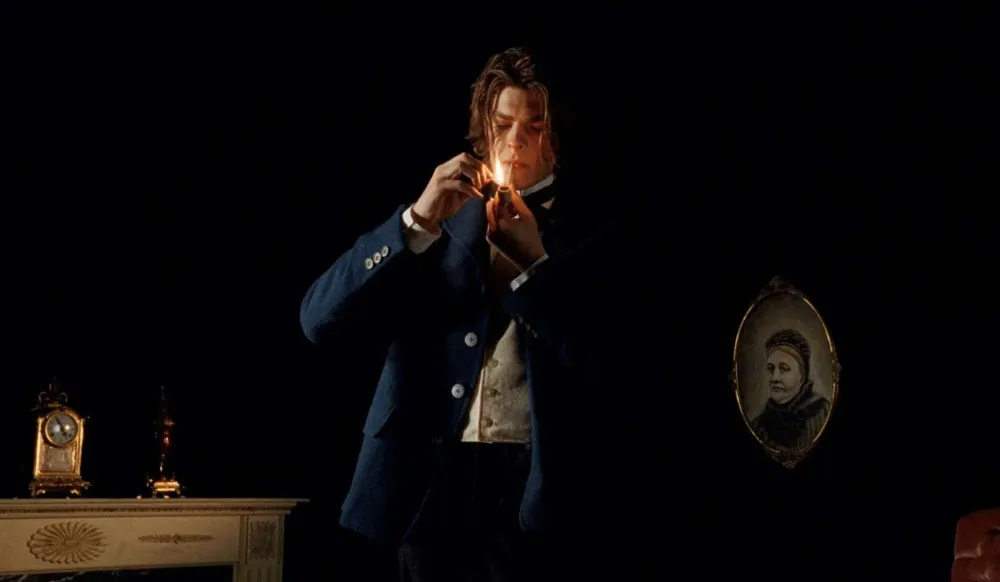
Patrick Wang is one of the lucky ones, though we should have dozens more of his movies by now. Wang’s “In The Family” and “A Bread Factory: Parts 1 and 2” were understandably beloved, but the movie of his I swirl in my head like a memory from a perfect date is the magnificent “The Grief of Others,” a movie that drifts through experimental methods to tell a simple story. Its final scene is two lengthy static shots slowly enveloping and spitting each other out, and it’s quite unlike any other version of the same idea. Patrick all but runs his hands across his textures like he’s disturbing the surface of a river. Bonus it, like Dan Sallitt’s “The Unspeakable Act,” features a pre-stardom Mike Faist.
If Dan is known, it is because he is beloved. He has no casual fans, no less than devoted acolytes. When Dan’s producer called me to ask if I’d drive the gear truck for his new movie, a sequel to “Unspeakable,” the only thing that stopped me was timing—I had to go to a wedding in Chicago. Dan’s films have been steadily building momentum from what those of you with cinema studies degrees might call a Bazinian sense of stability, with the sureness and stillness of frames and performances giving way to a core of blistering emotion.
I fell in love with Dan when, during the climax of “Unspeakable,” lead Tallie Medel shouts at her brother not to leave their secret shared space in the attic. She doesn’t say what’s on her mind, but she doesn’t let him know that if he leaves the room, nothing will ever be the same. This movie had so stealthily prowled around the edges of our hero’s desires and needs that to see her finally break character, so to speak, was like a car chase in three sentences. My heart seized. My throat closed. That’s why I see movies.
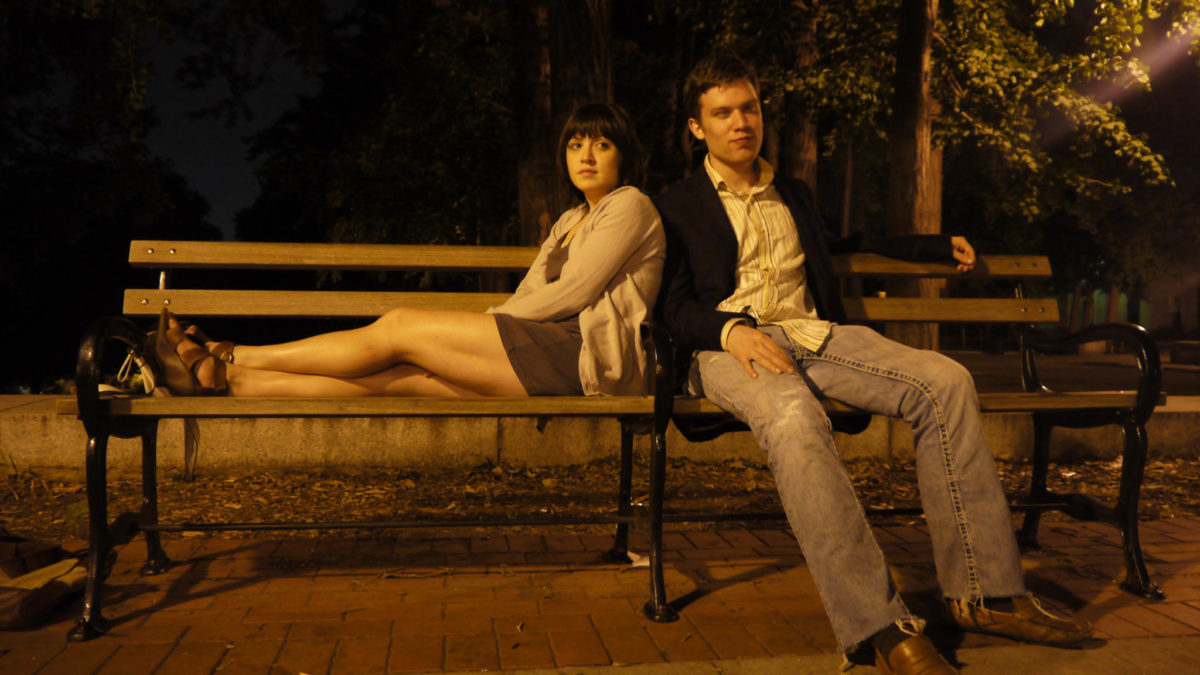
And for those of us who do care about action sequences, my friend Alejandro Montoya Marin is still trying to get his new film, “The Unexpecteds,” shown and taken seriously. Alejandro got his start on Robert Rodriguez’s “Rebel Without a Crew” show, in which a group of filmmakers was given meager means to make their own movies. Alejandro’s stuck out to me instantly. They were playful, they were funny, but more importantly, he had filmmaking intelligence. The means are what they are, but the man connects the images the right way. The movies snap and shake.
“The Unexpecteds” is a story of the little guy just trying not to make getting screwed the end of his story, and it’s the story to which any of us working the independent circuit, such as it is, can relate. Ditto his sweet comedy “Millennium Bugs,” about trying to take responsibility for yourself on your own terms. Its release was scuttled by COVID, but in the years since, it has not gotten much more popular, which is a great shame.
But this, of course, gets at the real problem: Indie and independent became genres, but in so doing, “they” lost their identity. As with Indie Rock or Soundcloud Rap, the system will always adapt to consume more of what’s being made for less. The system depends on free labor. How many movies did you watch during lockdown that weren’t studio-funded?
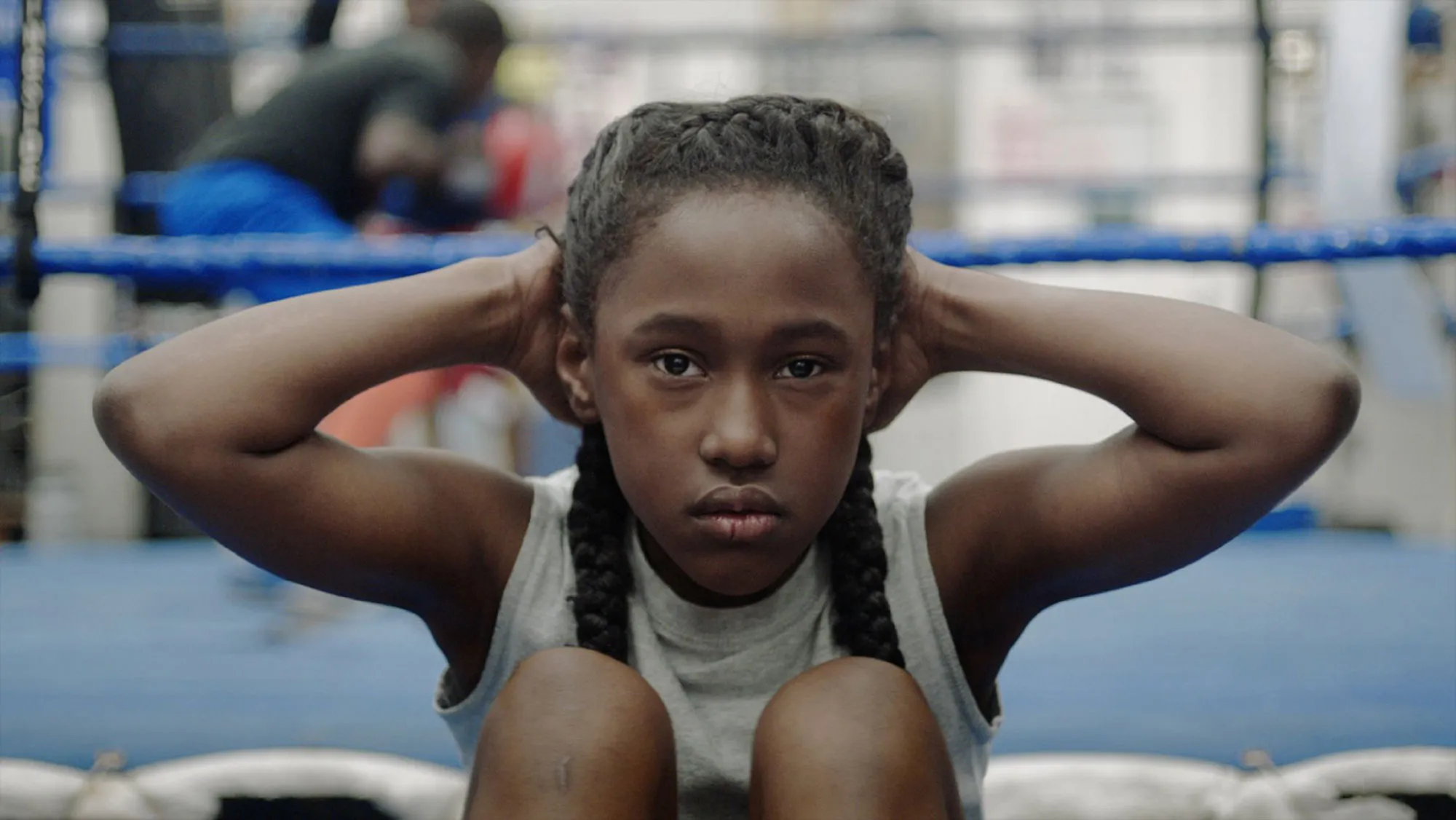
Even at our lowest and most desperate for culture, our media intake was handled by big business. Alejandro pounded the pavement to get his money and his cast, and came to the attention of Kevin Smith, who boarded as executive producer, but a movie that misses buzz during its theatrical window has a hard road to canonization, and the director remains just one more little fish in an increasingly small, brackish pond. And when they do break through, like Anna Rose Holmer, whose incredible debut “The Fits” was justly celebrated as a bold new direction for “indie,” we in her corner just have to hope that the dismal performance of her follow-up “God’s Creatures” hasn’t stymied her longer than the four years it’s been without news of a third feature.
Take the case of my friend Charles Poekel, who hasn’t yet made another movie after his searching and sad “Christmas, Again.” He’s a professor who helps run the Bainbridge Island Film Festival, and none of that amounts to someone watching his excellent debut and wondering what this gentleman’s next act might look like. Or Zachary Treitz, whose debut feature “Men Go To Battle” was one of the best films of 2015, made on a shoestring, yet enormous in its minutia. Two men survive the Civil War in different circumstances, and Treitz locates a Malickian poetry of neuroses and exhaustion on the battlefields.
The film is riotously funny at times, achingly sad at others. But the point is that anyone could have attempted this sort of movie, and I’ve seen nothing like it since its relatively positive reception back in the day. And since then? It took Treitz almost a decade to make the Netflix series “American Conspiracy: The Octopus Murders,” which shows how much the economy depends on true crime, at the expense of all else.
TV is still only available to some people. Jon Hyams has been working on undeserving network cop shows while an inferior adaptation of his documentary “The Smashing Machine” hit the awards circuit. The great Stephen Cone’s last gig was directing episodes of a long-since-canceled Sundance TV show called “This Close,” having scared up no support to follow up his acclaimed and deeply moving “Princess Cyd.” Lucky McKee’s last gig was an episode of “Poker Face.” Though her by-all-accounts terrific “Moonglow” is at hand, Isabel Sandoval was working on “The Summer I Turned Pretty” when even a casual fan would tell you she deserved the whole budget of the show to make her own art. Amy Seimetz had creative control taken away from her on the historically boring and dreadful “The Idol,” which means it’s been six years since she made a follow-up to her panic-attack sophomore feature “She Dies Tomorrow.”
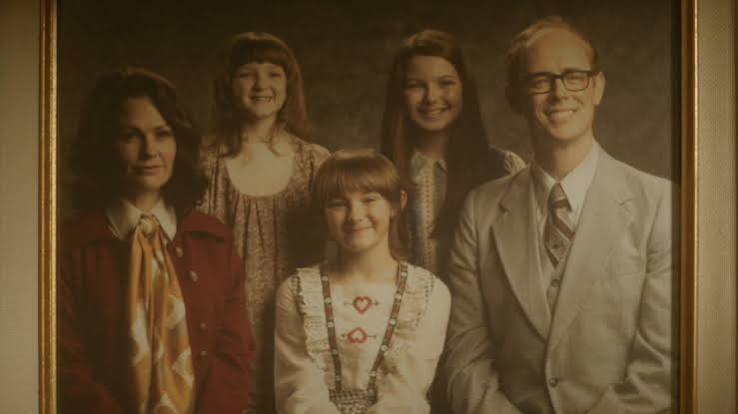
Neo-realist Eliza Hittman’s last gig was on the Peacock show “A Friend of the Family.” Gillian Robespierre, Courtney Hunt, Caryn Waechter, the list goes on. Not to say TV’s a bad use of one’s energy, but it does highlight that it’s easier to become a piece of a machine than to convince people you’re worth their time and money as an artist. It behooves executives to operate under the delusion that anyone can hold a camera—this is how these artists are kept away from the sets which they so richly deserve to run. But it’s that or wait for the pieces to fall into place, which explains why we only get new movies by Whitney Horn and Lev Kalman, deadpan satirists whose fever dream genre exercises just hit.
Independent cinema gets thrown around at directors who maybe once had to scrounge to get their budgets, like Sean Baker and the now-divided, rightly polarizing Safdie brothers, but they’ve been supported by a pretty serious financial apparatus in the last 15 years. Those directors ought to be subsidizing independent cinema, and to their credit sometimes they do (Baker produced Joanna Arnow’s first feature to his eternal credit), but there is no reason for there to be an ecosystem of people connected by and best defined by wasted potential, and that’s before we tally up “valedictory” figures like Alan Rudolph, John Waters, Billy Woodberry, Julie Dash, Tamara Jenkins, and Larry Fessenden. As with any other industry with insufficient union protections, the infrastructure was made by people who won’t get to enjoy it.
So yes, by all means, feel sorry for me, GOD KNOWS I NEED IT, but I’m at the very bottom of a very long list. The less curious we get about where the money is going, the more we have to settle for not caring what the studio system produces, because there’s only so much funding, only so much oxygen, and only so much room at the top, and that’s without factoring in the people who kick the ladder down when they’ve made it there. Enjoy the next movies you see with no studio financing, no name producer, no major stars, the next truly independent movie you see. It could be your last.