




Key Takeaways
- Ramlal and his wife, Yuvika Wadhwa, launched side hustle Protein Chefs in 2015.
- Two years in, Ramlal left his UPS role and continued to build the business.
- Protein Chefs saw consistent revenue immediately; now, it surpasses seven figures annually.
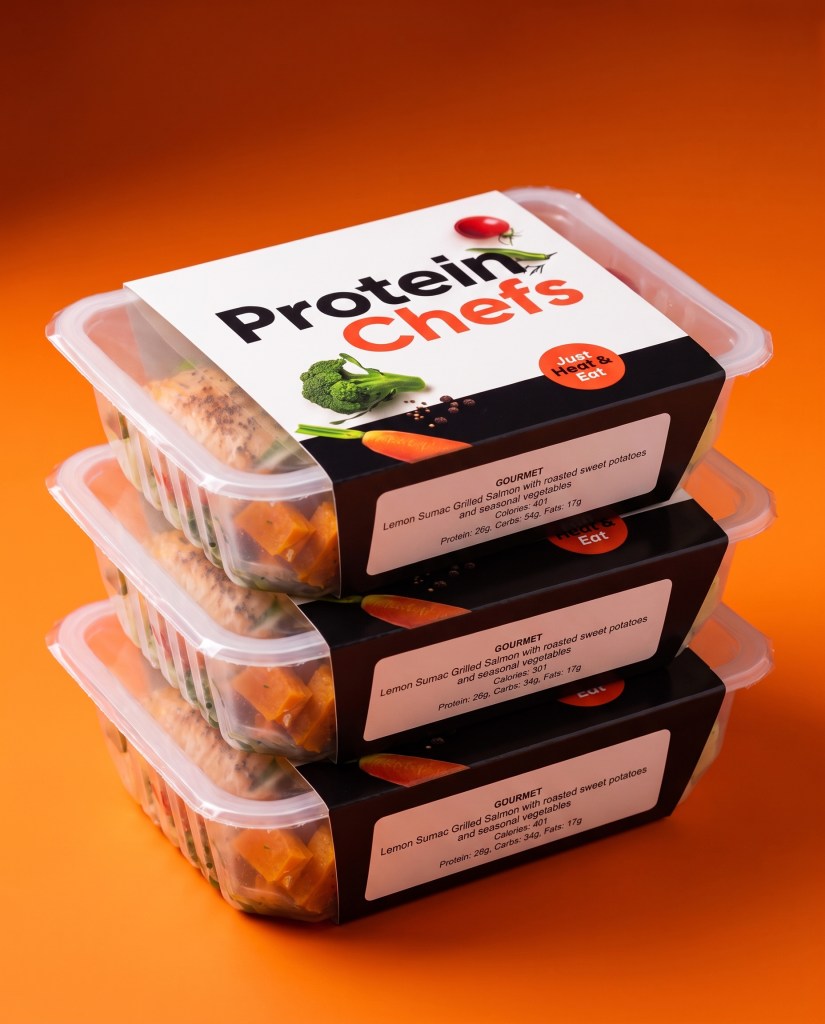
This Side Hustle Spotlight Q&A features Ronneil Ramlal, a 38-year-old entrepreneur based in Ontario, Canada. Ramlal is the founder and CEO of Protein Chefs, a gourmet and health-focused meal delivery service. He started Protein Chefs as a side hustle while working as a supervisor at United Parcel Service (UPS), then left that role to focus on the business in 2017.
When did you start your side hustle, and where did you find the inspiration for it?
I started Protein Chefs in 2015 with my wife, Yuvika Wadhwa. I was always passionate about starting a business because I grew up watching my father, who is an entrepreneur. My wife was a pastry chef, and we met at the gym. Since we both are serious about our fitness, and with our respective backgrounds in business and hospitality, the food industry was naturally appealing to us. We specifically chose the prepared meal delivery business because in 2015, with our busy corporate jobs, we struggled to meal prep every week and couldn’t find healthful meal delivery options. We wanted to eat balanced, nutritious food that was also flavorful.
Bootstrapping the side hustle with $2,500
What were some of the first steps you took to get your side hustle off the ground? How much money did it take to launch?
I didn’t want to borrow money, so we completely bootstrapped the business. I used $2,500 from my savings to get a website developed, hire a chef on an hourly basis and rent a kitchen space. Then, we set up an Instagram account and started posting about the business and gradually getting followers. Next, we reached out to fitness influencers because initially we struggled to get orders. We cold-messaged people on Instagram who might want free meals in exchange for a review of our service. That’s how we got our first few customers.
Are there any free or paid resources that have been especially helpful for you in starting and running this business?
The only “resource” I turned to when I needed help to brainstorm ideas or discuss challenges was my dad. The first person I turned to was my wife because we made all decisions about the business together.
Invest early on in marketing, a website and SEO
If you could go back in your business journey and change one process or approach, and how do you wish you’d done it differently?
I would invest early on in marketing, especially in building a better website and SEO. At the time, we were so focused on running kitchen operations that we could barely afford to peep outside. This led to slow growth for the first few years. I wish I had invested more in automating some manual tasks such as customer database management and sending them email reminders to order meals, so I could free up more time for myself. I would have definitely spent more on marketing because that allowed us to hone in on our target audience of busy professionals who want to eat healthfully and update our messaging accordingly.
The value in customer service and transparency
When it comes to this specific business, what is something you’ve found particularly challenging and/or surprising that people who get into this type of work should be prepared for, but likely aren’t?
The food industry has multiple moving parts such as kitchen operations, packaging, delivery, customer service, partnerships, supplier management, marketing, website and so on. People in this business should be prepared to handle all these areas in unison and simultaneously for the business to be successful.
If your food is great, but no one knows about you, and your customer service doesn’t support your customers, it doesn’t matter how much time and effort you’re spending in the kitchen. If your website is avant garde, and your branding is on point but your meals aren’t what you promised they would be, you won’t get customers to stay. In today’s market, it’s easy to believe that a product can ride on a great social media or personal brand, but that’s a short-sighted strategy. For everything to work, you must be willing to get involved in everything.
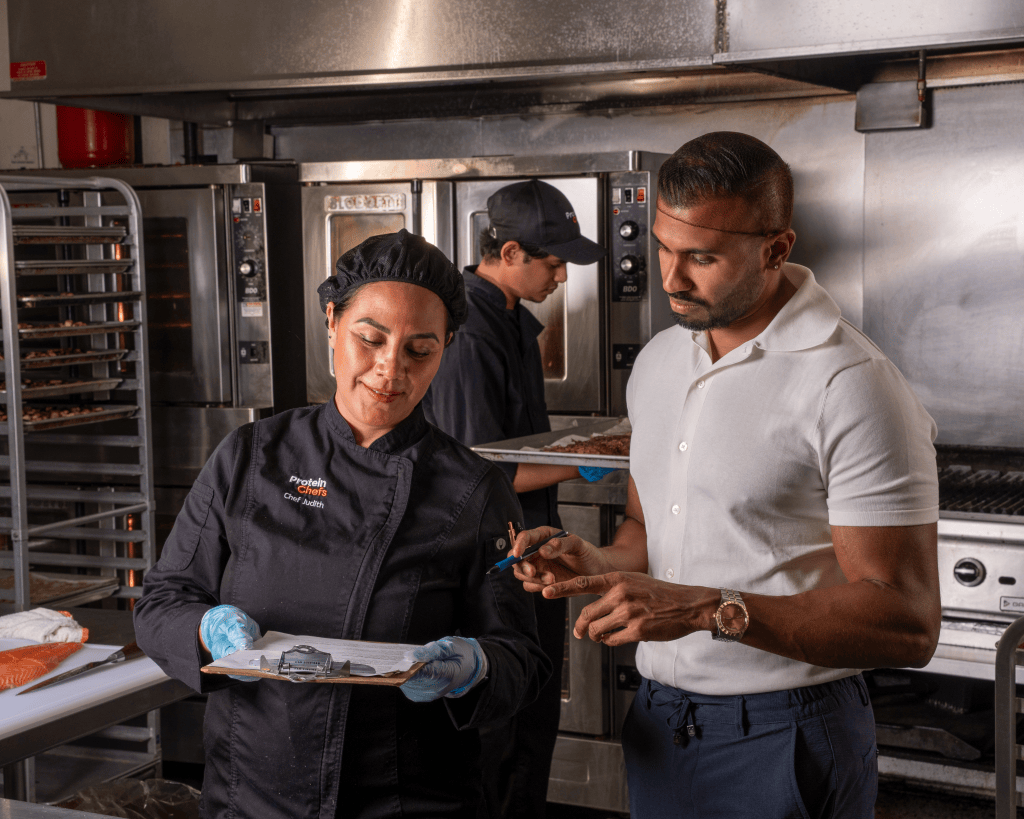
Second, when it comes to food, people are especially cautious about how their food is prepared, so if you can show complete transparency about your behind-the-scenes operations, that can help build credibility. For example, when we started showing our chef creating meals from scratch on our social media and the standards that we adhere to, our customers’ trust grew. So, before entering this industry, you must be prepared not to cut corners.
Another challenge in the food industry is that margins are thin when you only have a few customers. Profits expand once you reach high-volume production and build credibility, which can take a few years. You need a lot of patience.
The importance of hiring the right people
Can you recall a specific instance when something went very wrong — how did you fix it?
The biggest mistake we made was early on hiring a chef who didn’t fully comprehend the role. He was a really skilled cook but not a chef. He made very flavorful food, but he couldn’t do costing, standardize the menu, manage inventory or oversee a team. When we grew our customer base and added more employees into the kitchen, he couldn’t delegate or train. That fell to me and Yuvika, and it held us back for a few years. But that’s what we could afford at the time, and his flexible schedule worked for us.
After about three or four years, we realized we weren’t growing, so we had to let him go and find someone more advanced. The next chef was a big step up. He standardized the menu, which let us add more dishes and meal plans. We had a few more chefs after that. Now we have a chef who is adept at everything: cooking, team management, menu innovation and development, paperwork and supplier management. It took some years to get here, but we learned how important it is to hire the right people for the job.
From $4,000 to $30,000 in monthly revenue — then 7 figures a year
How long did it take you to see consistent monthly revenue? How much did the side hustle earn?
We struggled to get clients for the first weeks, but once that picked up, we had consistent revenue even initially, just not very high. At the beginning, it was around $4,000 monthly, which grew to $20,000 to $30,000 per month in the next few years.
What does growth and revenue look like now?
We plateaued for the first three to four years. After we invested more heavily in marketing and identified our main target audience as busy professionals and not only bodybuilders or fitness enthusiasts, our revenue doubled. Last year, we had 21% revenue growth, and this year, we’re at 30% growth, including our corporate partnerships. We reached seven-figure revenue in 2022 and have continued to maintain that.
Take risks to see what’s possible
What do you enjoy most about running this business?
For me, it’s the unknown. I like not knowing what the next day could look like because that challenge gets me excited and allows me to push my own limits. There are no caps on what you could achieve, which can be good and bad because the success or failure of the business depends on you. I choose to see it as a vehicle for growth.
What is your best piece of specific, actionable business advice?
When things get tough, know that it’s your job to vouch for yourself because no one else is going to do it for you. Stop comparing yourself to others, and continue to believe in yourself no matter how long it takes to see the result you were hoping for. Also, take measured risks.
So, my advice is to be abundant when it comes to believing in yourself and calculated when it comes to taking a risk, but nonetheless, take risks, because that’s the only way to know what’s possible.
Key Takeaways
- Ramlal and his wife, Yuvika Wadhwa, launched side hustle Protein Chefs in 2015.
- Two years in, Ramlal left his UPS role and continued to build the business.
- Protein Chefs saw consistent revenue immediately; now, it surpasses seven figures annually.
This Side Hustle Spotlight Q&A features Ronneil Ramlal, a 38-year-old entrepreneur based in Ontario, Canada. Ramlal is the founder and CEO of Protein Chefs, a gourmet and health-focused meal delivery service. He started Protein Chefs as a side hustle while working as a supervisor at United Parcel Service (UPS), then left that role to focus on the business in 2017.

When did you start your side hustle, and where did you find the inspiration for it?
I started Protein Chefs in 2015 with my wife, Yuvika Wadhwa. I was always passionate about starting a business because I grew up watching my father, who is an entrepreneur. My wife was a pastry chef, and we met at the gym. Since we both are serious about our fitness, and with our respective backgrounds in business and hospitality, the food industry was naturally appealing to us. We specifically chose the prepared meal delivery business because in 2015, with our busy corporate jobs, we struggled to meal prep every week and couldn’t find healthful meal delivery options. We wanted to eat balanced, nutritious food that was also flavorful.
Bootstrapping the side hustle with $2,500
What were some of the first steps you took to get your side hustle off the ground? How much money did it take to launch?
I didn’t want to borrow money, so we completely bootstrapped the business. I used $2,500 from my savings to get a website developed, hire a chef on an hourly basis and rent a kitchen space. Then, we set up an Instagram account and started posting about the business and gradually getting followers. Next, we reached out to fitness influencers because initially we struggled to get orders. We cold-messaged people on Instagram who might want free meals in exchange for a review of our service. That’s how we got our first few customers.