True crime often promises clarity — timelines, motives, villains neatly labeled and put away. The Hillside Strangler, the four-part docuseries now streaming on MGM+, does something far less comfortable.
Directed by Peter LoGreco, the series revisits one of Los Angeles’ most infamous murder cases, but resists the urge to flatten it into a procedural or a parade of atrocities. Instead, it becomes a layered examination of psychology, media, fear, and manipulation — both then and now.
I spoke with LoGreco about why he stepped into true crime for the first time, how he navigated ethically challenging editorial decisions, and why he believes audiences are ready for complex conversations without solid answers.
True crime hasn’t been your focus before. Why this story — and why now?
Well, I think two things. One, I think the best stories, regardless of genre, are sort of genre-agnostic. They have something compelling about the world and something compelling about human psychology.
I’ve had the opportunity to work on other true crime stories and walked away because it felt like, “This is just a look at a string of really horrible, violent acts, and there wasn’t much more to it than the forensics.” That’s interesting, but it’s not really my lane.
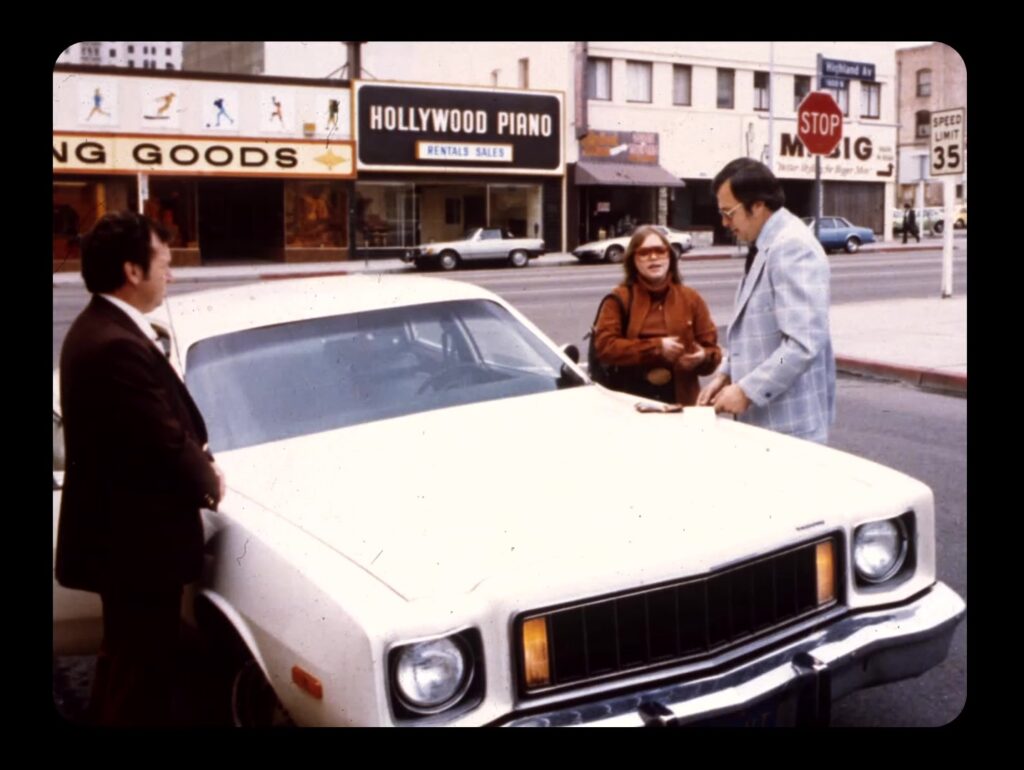
What drew me to this was the specifics of the time and place — how significant this crime was not only in the history of how we label serial killers, but also how Los Angeles in the late ’70s and early ’80s seemed to be this hotbed of horrifying crimes.
We had interviewees refer to it — using a macabre term — as the ‘golden age of serial killers’ in Southern California.
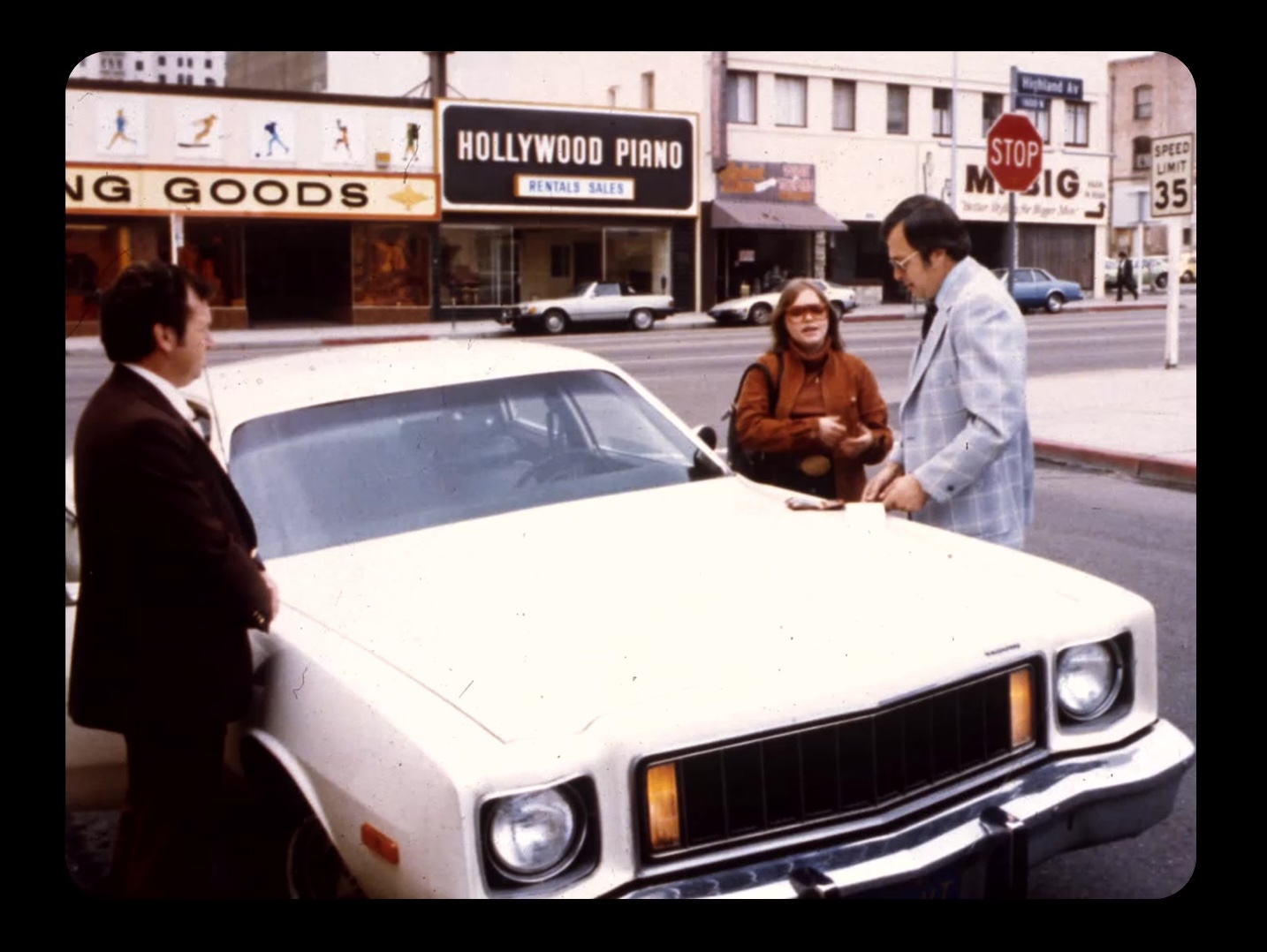
But even more than that, with just a little digging, there turned out to be such a tremendously rich psychological thriller here. A character story that steps into mental illness, violence, and how psychiatry interfaced with law enforcement — and where that line is.
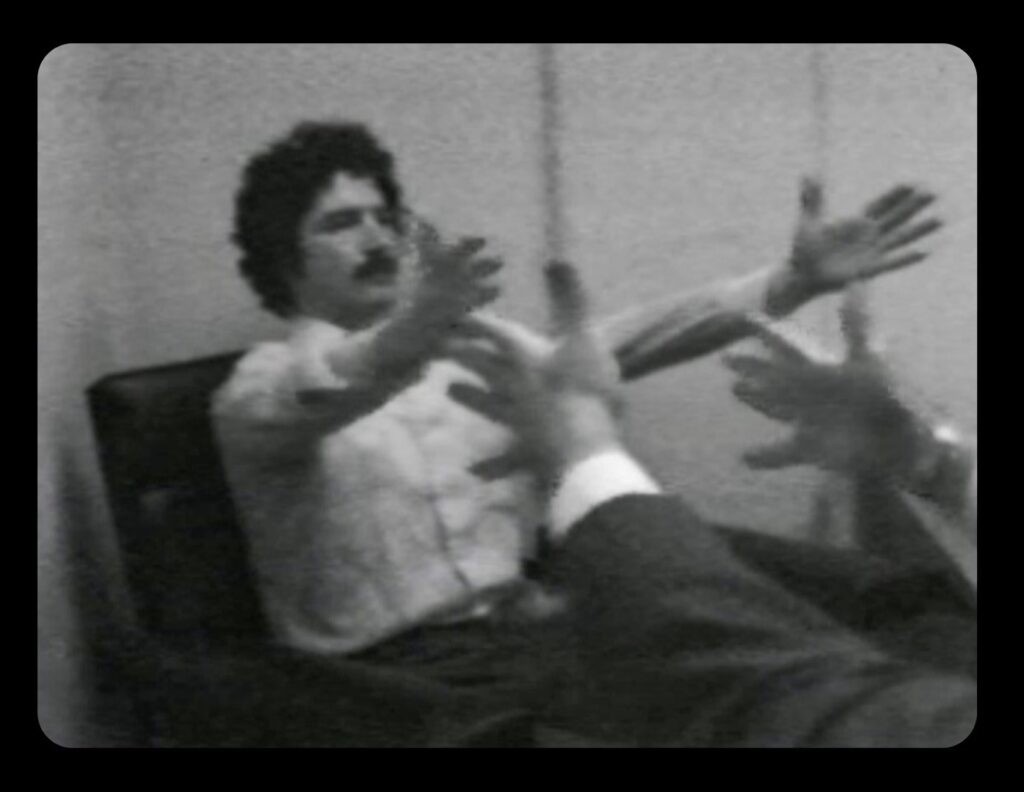
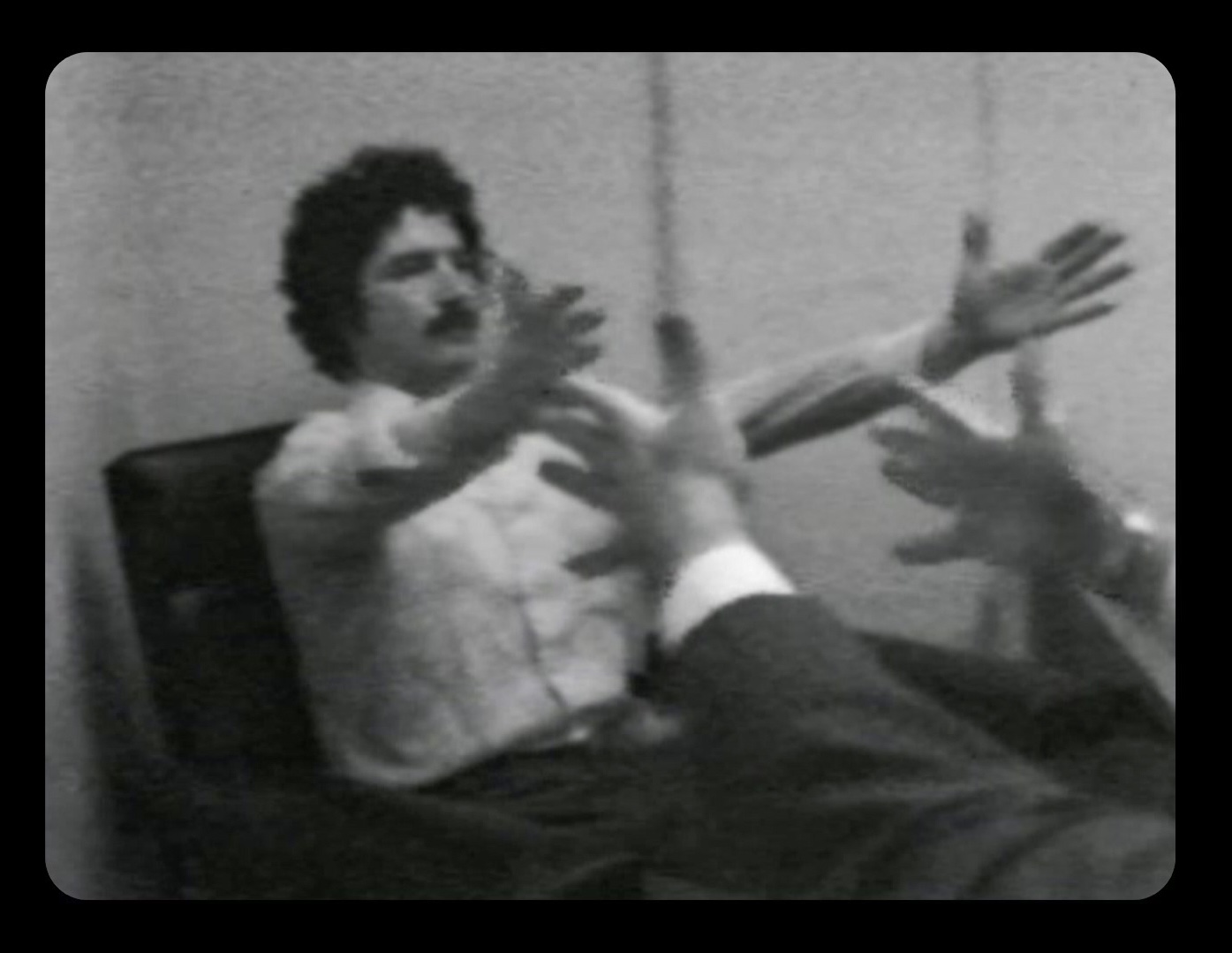
You have hours and hours of recordings of a suspect being hypnotized — or supposedly hypnotized — and only under those circumstances confessing.
That then creates a legal drama over whether those confessions are admissible. And all of this is happening at a cultural moment when hypnosis and multiple personality disorder are actively being discussed and taken seriously.
So suddenly this isn’t just a violent horror story. It’s a psychological thriller. It’s a legal thriller. And then there’s also a present-day story, which is unique to this telling of the Hillside Strangler case.
What made the present-day angle so essential?
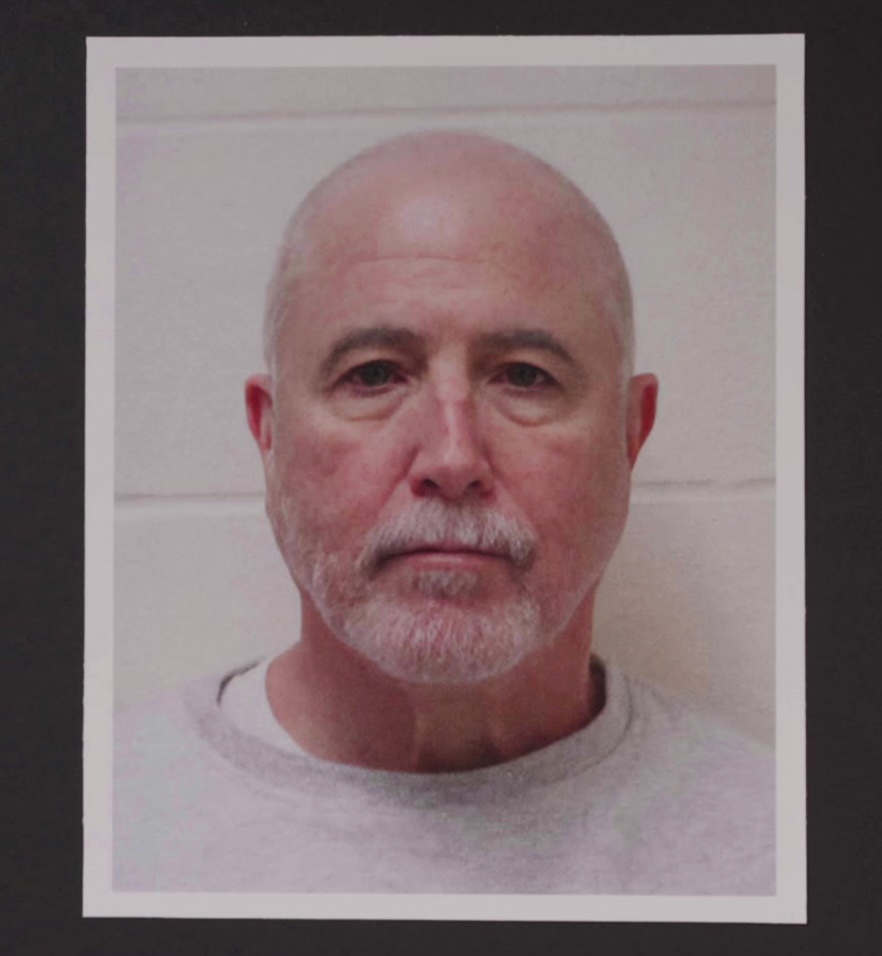
We have a surviving killer who, after 40 years of hemming and hawing about whether he wanted to participate in a media project, decided to do so here.
Giving voice to that person — but not giving him a platform to crow about the crimes or proclaim innocence — was important. He becomes one of many voices. One point of view among investigators, survivors, journalists, and historians.
Letting the viewer experience a present-day reconsideration of the case under those circumstances felt really fascinating to me
As someone who grew up hearing about the case, I was struck by how much I didn’t know — including that there were two perpetrators.
Exactly. And that’s part of what makes this case endure. It starts as a horror story on the streets of Hollywood, then becomes a psychological horror movie, then a legal thriller.
This was the longest murder trial in U.S. history — and still is. That alone speaks to the complexity. And the fact that Angelo Buono almost got off is territory that hadn’t really been explored in the way it could have been.
It’s hard to say ‘fun’ because it’s such a dark story, but it’s incredibly interesting.
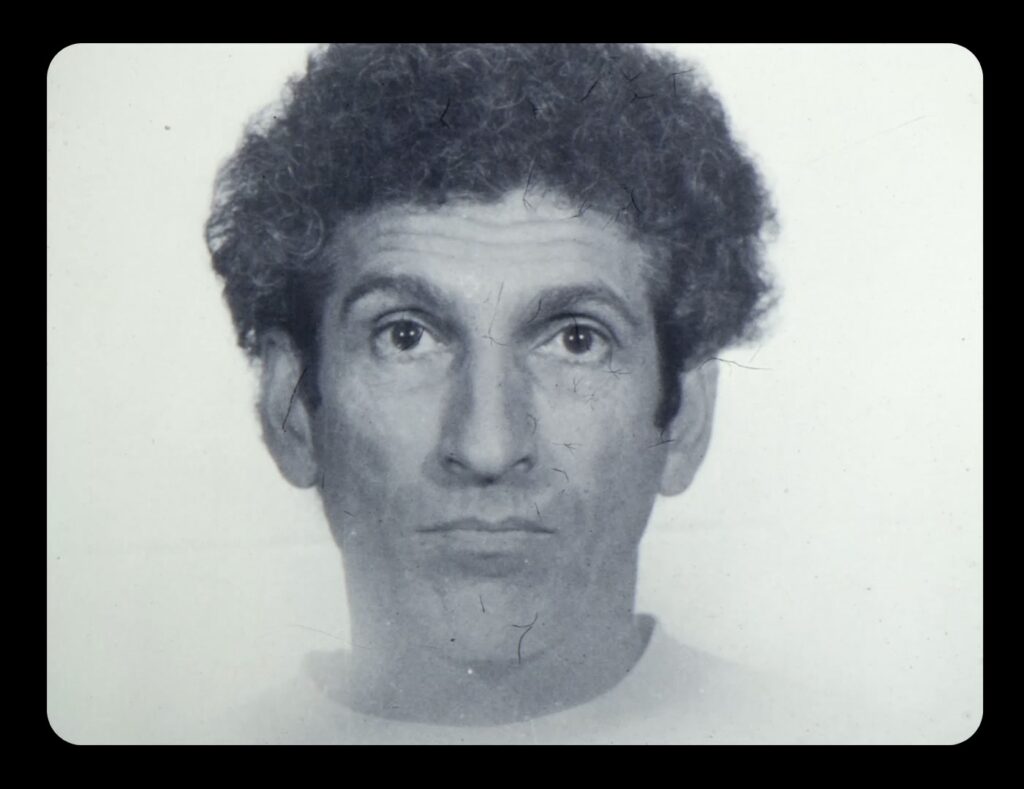
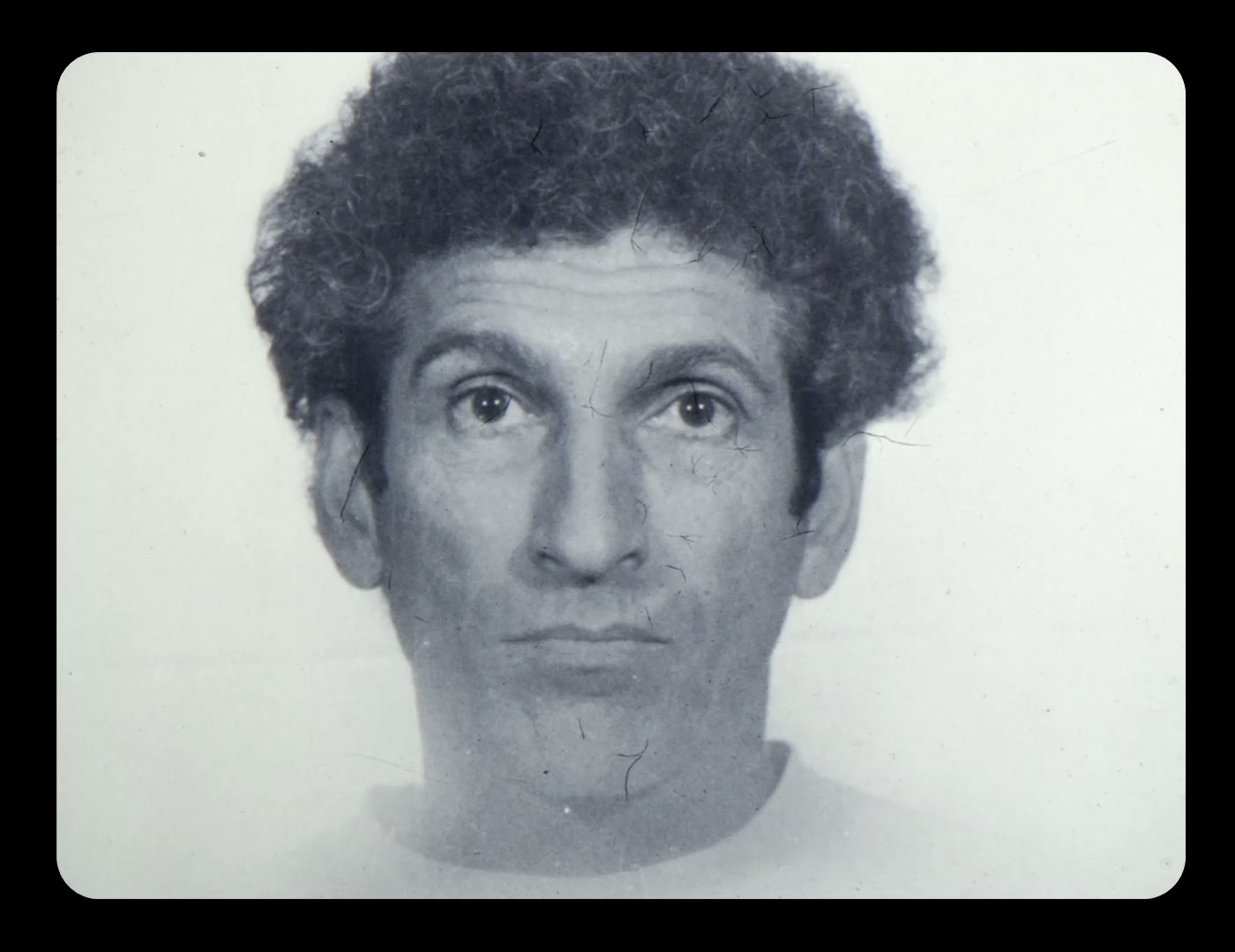
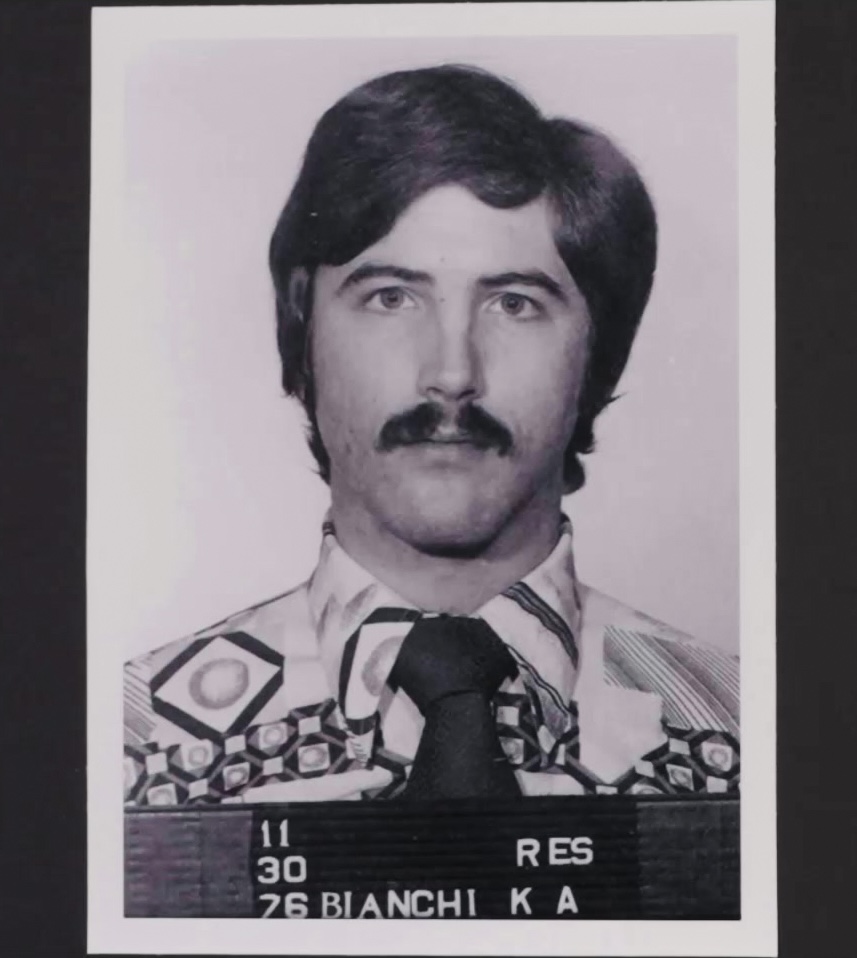
The series feels like a psychological exploration of Kenneth Bianchi in particular — especially how he responds to scrutiny and constructs his own narrative.
That’s very intentional. This case is still relevant because the criminal justice system continues to struggle with where mental illness ends and culpability begins.
I don’t want to give viewers a direct answer. I have personal views, but I’d rather let people come to their own conclusions.
What became clear to me after months of interacting with Kenneth Bianchi is that mental illness plays a role. His inability to access or acknowledge the perspectives of investigators or survivors is real.
We were incredibly fortunate to have Sabra Patterson participate — a survivor who had never spoken publicly since the trial. When you hear her, you understand there is a truth that exists. And somehow, for Kenneth, that truth is not present.
Is that mental illness? Is it master manipulation? Is it all an act? Or some combination? That ambiguity is the psychological playground I wanted to explore.
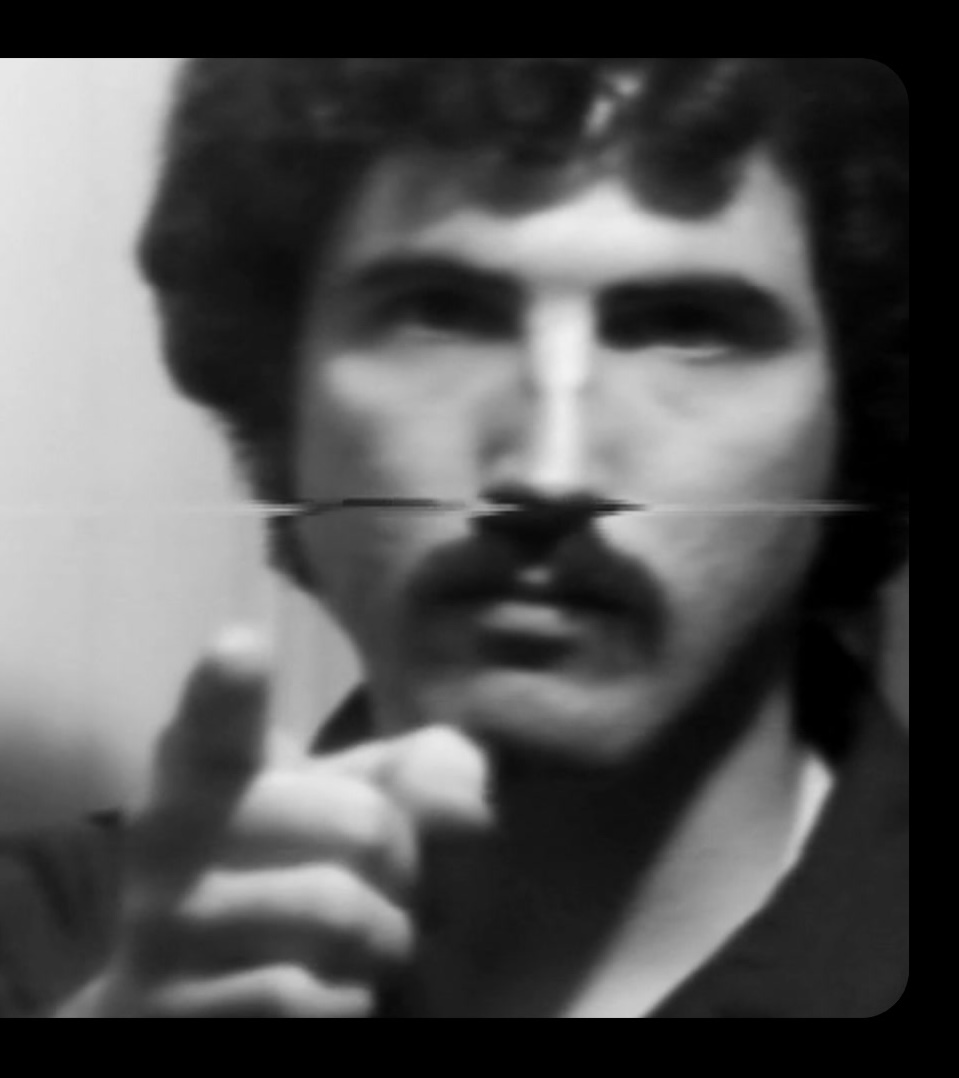
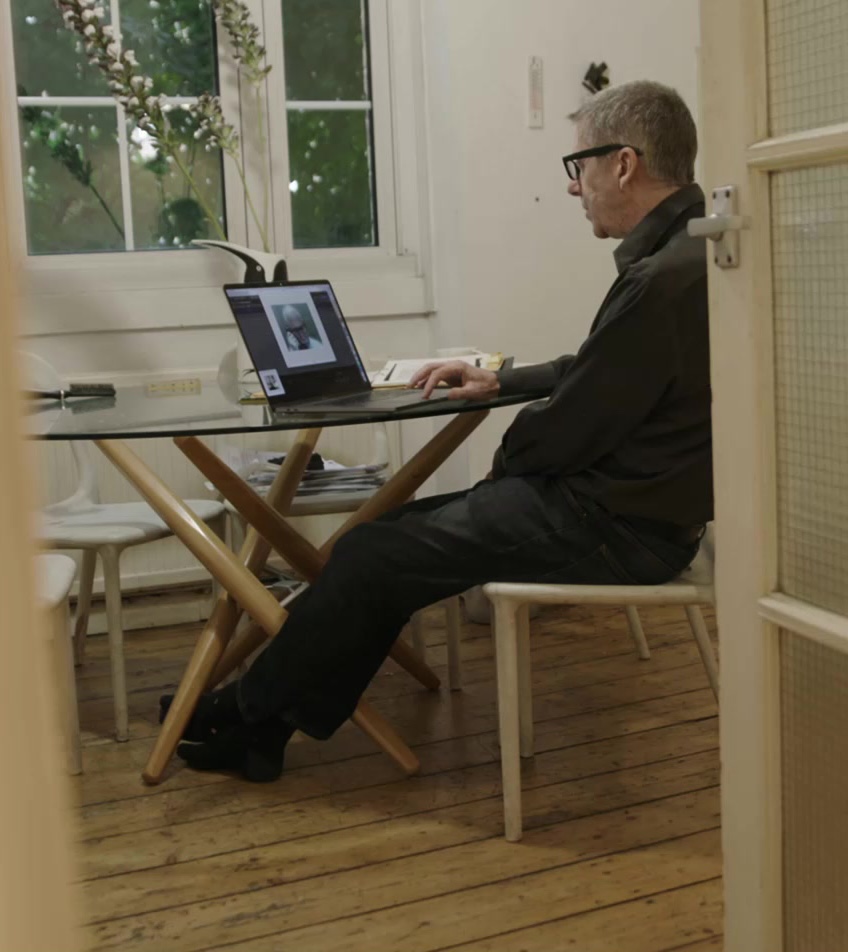
Your access to Kenneth often comes through journalist David Monaghan. How did that shape the series?
There are logistical realities. State prison systems have strict rules. I was permitted to speak with Ken — we exchanged emails and had video chats — but we weren’t allowed to record those video chats for television.
David had an existing rapport with Kenneth, and more importantly, he’s the person Kenneth feels most comfortable with. He’s more candid with David. When I spoke with Ken directly, the conversations were more clipped, more formal — more presentational.
That’s human nature. So from a documentary standpoint, letting that relationship exist created a more authentic portrayal.
I give David a lot of credit. He was open to letting us explore all sides of that relationship, knowing people would have strong reactions. It takes courage to do that. And it gives viewers space to unpack what’s really happening there.
The series also grapples with why people feel drawn to perpetrators rather than victims.
That fascination isn’t new. We talked to a media academic about how humans have always been drawn to death, violence, and sex — going back to Greek tragedy.
Maybe it’s an attempt to understand the most fearsome things in hopes of controlling them. Or maybe it’s about proximity to notoriety — feeling special, feeling close to someone famous, even if that fame is monstrous.
This series examines whether people who seek that closeness are being taken advantage of. Again, viewers can draw their own conclusions.
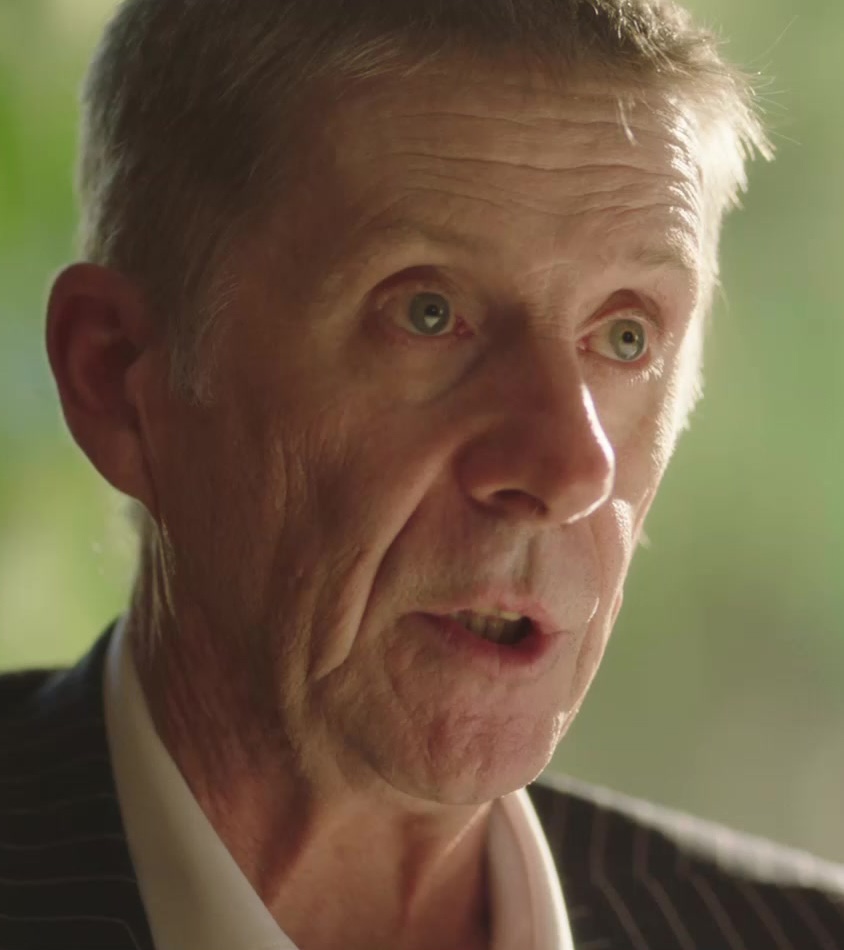
There was a time when serial killers dominated the news cycle. Now those stories mostly live in documentaries. What changed?
When these crimes were happening, there wasn’t fascination — there was fear. People were genuinely terrified. Women and girls felt like nowhere was safe.
There was no neat victim profile. That struck terror into the city. Anyone who lived there at the time remembers it viscerally.
I think it would have been very hard, in that moment, to view these figures through an entertainment lens. That distance comes later.
One of the most striking choices you make involves archival footage of victims’ bodies — footage that journalists at the time questioned ethically, and that you then include.
That decision was incredibly difficult. We modified footage, obscured details, and consulted with people connected to the victims.
But those images were broadcast globally. They were on magazine covers. They still appear online today. To remove them entirely would sanitize the reality of how shocking this was — and why women responded with rage and protest.
Showing that footage allows viewers to understand why activists staged mourning protests, why they called out victim-blaming, and why they were furious at how women were being portrayed.
You can’t fully understand that response without seeing what they were responding to.
Is it difficult to sit with this level of darkness for so long?
It is. But if you’re interested in the human condition — in why people do what they do — it’s also compelling.
The goal is to make something chilling without being gratuitous. To let it be horrifying and unsettling, but also layered, psychological, and immersive.
Has this experience shaped what you want to do next?
I’d love to keep telling stories that move the genre forward — that entertain, unsettle, and explore psychology and culture without telling audiences what to think.
Every time something complex comes out, and it’s well-made, audiences respond. I think people are ready for that.
Why This Conversation Still Matters
With The Hillside Strangler, LeGreco isn’t interested in closure.
He’s interested in allowing you to sit with the discomfort of the case, the kind that forces reflection instead of resolution. LoGreco’s approach treats true crime as a mirror to our times, not a spectacle to be gawked at.
For viewers willing to engage with ambiguity, psychology, and cultural memory, this series — and this conversation — offers something increasingly rare: space to think.
You can watch the first episode of The Hillside Strangler now on MGM+. New episodes drop on Sundays on MGM+.
This interview has been edited for length and clarity.

Director Peter LoGreco reflects on The Hillside Strangler, the ethical challenges of telling real-life horror, and why audiences are ready for complex true crime without tidy conclusions.
Evil Influencer director Skye Borgman talks influence, control, and why her documentaries trust viewers to think for themselves.
Peter Van Sant explores a haunting 2014 murder in Trained to Kill, revealing new details, rare access, and unanswered questions.