I didn’t plan to make this a series. Honestly.
But after writing about what’s happening at Paramount+ — and how a streamer with one of the clearest creative identities on television managed to fumble it — it’s hard not to look across the street at NBCUniversal and ask the same question: what is actually going on here?
Because when you zoom out, NBC and Peacock aren’t just making questionable individual decisions. They’re behaving like a company that hasn’t decided what it wants to be and is somehow shocked that audiences are confused, disengaged, or unwilling to commit.
NBCUniversal keeps insisting it cares about scripted television. It’s greenlighting pilots and talking about rebuilding its NBC slate.
Yet when given the single biggest promotional opportunity on broadcast television — the Super Bowl lead-out — it once again chose sports over scripted programming, opting to roll straight into Winter Olympics coverage instead of using that audience to launch or reinforce an entertainment series.
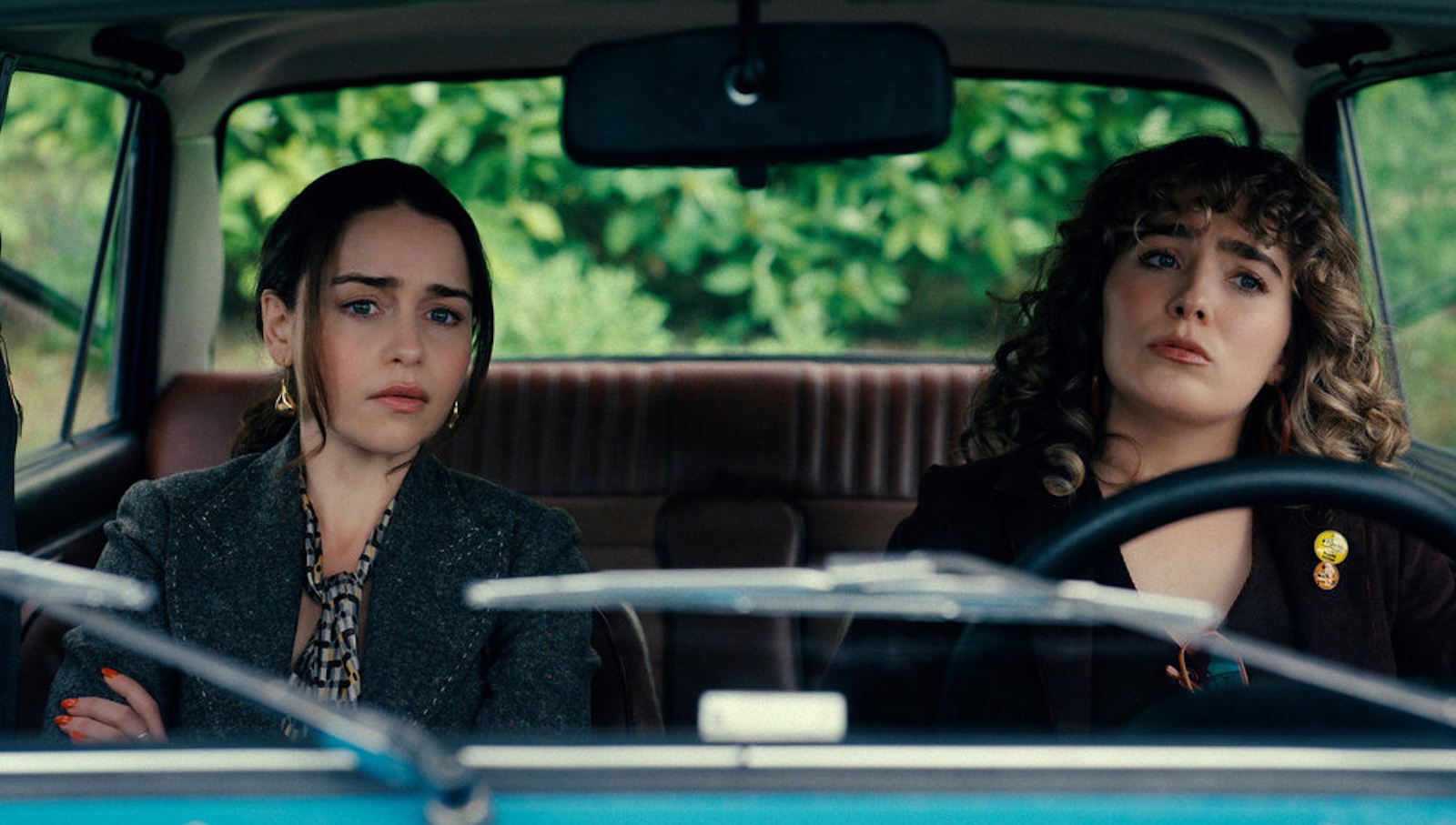
They have several Peacock shows that could use the promotion, including the already-dropped Ponies, but especially the upcoming TV adaptation of The Burbs, starring Keke Palmer, which drops in full on the same day as the Super Bowl.
This lack of promotion for scripted after the big event isn’t new. NBC did the same thing in 2022, but what makes it worse now is context. I meanl it speaks volumes that there isn’t a single NBC scripted show to promote.
This is the same network that once turned This Is Us into the last true TV phenomenon precisely by understanding how to promote scripted television.
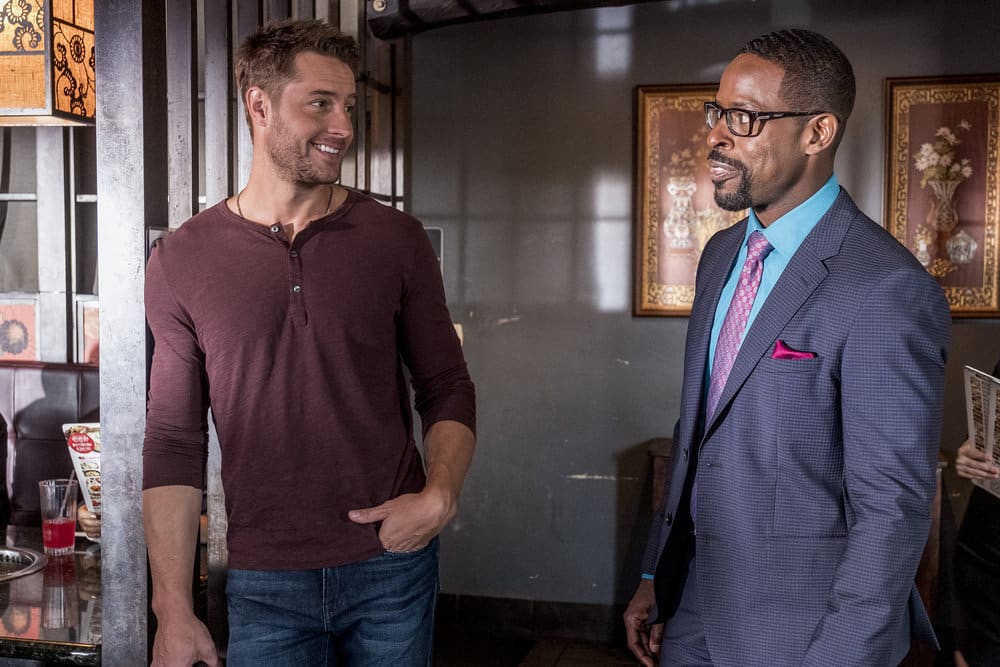
NBC knows what a Super Bowl lead-out can do. It used that platform to devastating effect in 2018, drawing nearly 27 million viewers for one of the show’s most talked-about episodes.
So when NBC chooses not to do that now, it’s not ignorance but a statement of priority.
The Problem Isn’t Scripted — It’s Commitment
Jasmine Blu laid this out bluntly in her recent piece about NBC suddenly greenlighting multiple new dramas while inspiring absolutely no confidence that any of them will be allowed to grow.
That skepticism isn’t bitterness. It’s pattern recognition.

NBC has spent the past few seasons:
- gutting its scripted slate
- underpromoting new shows
- canceling series quickly
- acting baffled when audiences hesitate to invest
Greenlighting pilots without a long-term plan isn’t support. It’s churn, whether on broadcast or a streaming platform.
And this is where the NBC–Peacock relationship becomes impossible to ignore, because the same issues are playing out on both platforms, just in slightly different ways.
Peacock’s Binge Problem (and Multiple Missed Opportunities)
We have to discuss this binge problem and how it unfairly puts good shows into focus for such a short time that they are quickly forgotten.
Let’s talk Ponies first, because Ponies is genuinely good. Not “background noise” good or “fine for a binge weekend” good.
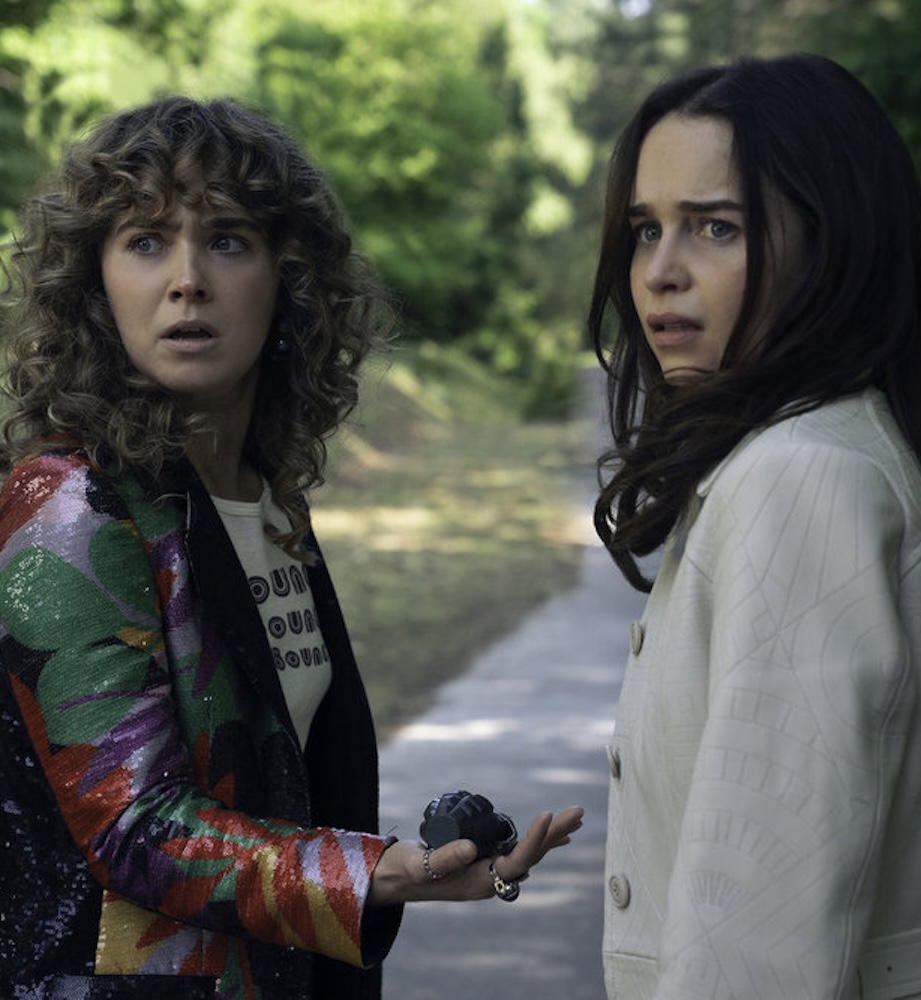
It’s the kind of show that would have thrived as a weekly release — the kind that builds momentum episode by episode, sparks conversation, and gives outlets like TV Fanatic a reason to engage with it over time.
Instead, Peacock dumped it all at once. And only after the binge window passed did the platform start aggressively promoting it on social media. That’s backwards.
Weekly releases don’t just benefit viewers — they create an entire ecosystem of coverage, discussion, speculation, and word of mouth. Sites like TV Fanatic do that work for free. We did it for The Pitt. We would’ve done it for Ponies. We’ve done it countless times.
Instead, Ponies is likely to become another one-and-done title, more of a data point than a brand. We’ll remember it as fun, but it will be a blip, not a foundation for the platform.
And Peacock will eventually ask the same question it always asks: Why didn’t this break out?
I have to wonder if that’s exactly what happened with Based on a True Story. It was begging for conversation, which is odd for a comedy, but not so much when you compare it to Only Murders In the Building, which has a similar concept. Would it have survived with weekly release? We’ll never know.

The Identity Crisis Beneath Peacock’s Binge Strategy
Ponies isn’t an isolated case. It’s part of a larger, increasingly confusing pattern at Peacock.
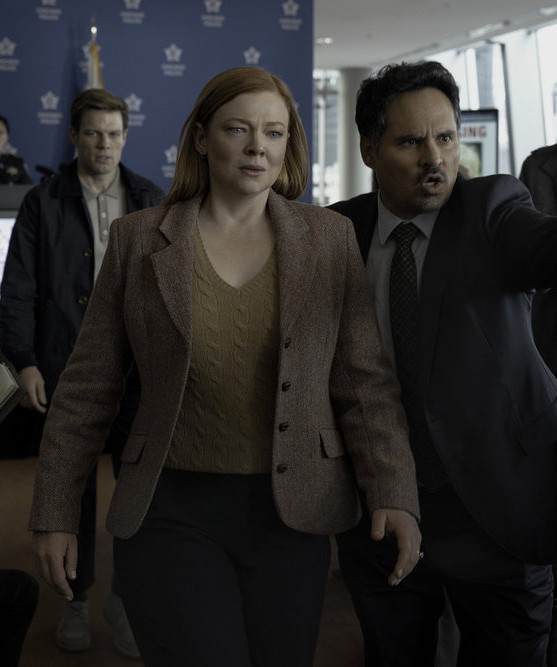
And then there’s All Her Fault. It was a limited series, yes, but even limited series benefit from breathing room when the goal is cultural impact.
Instead, Peacock dropped it all at once, burned through the conversation in a weekend, and moved on. The show did well, but it could have done better. But without a runway, there’s no lasting discussion and no chance for the show to grow beyond its initial audience.
This raises an uncomfortable question: Does Peacock even want growth anymore? Or is everything — good or bad — now designed to be disposable?
Because if the answer is “limited series only,” then Peacock needs to say that out loud. Limited releases are a strategy. So are weekly drops. What isn’t a strategy is treating everything the same way and hoping something sticks.
And then there’s Bel-Air — the most baffling case of all. Against all odds, Bel-Air made it to four seasons. That alone suggests Peacock saw value in it.
But instead of letting that success compound, the platform adopted a strange, half-baked release model: seasons dropped in chunks, often split into three parts, mimicking Netflix’s Stranger Things strategy without any of the cultural weight or eventization that makes that model work.
Netflix does that because it can. After all, Stranger Things is a global phenomenon that dominates the conversation whenever it returns. Well, it did, anyway.
Bel-Air was not that, and Peacock never gave it the chance to become that. So what was the point?
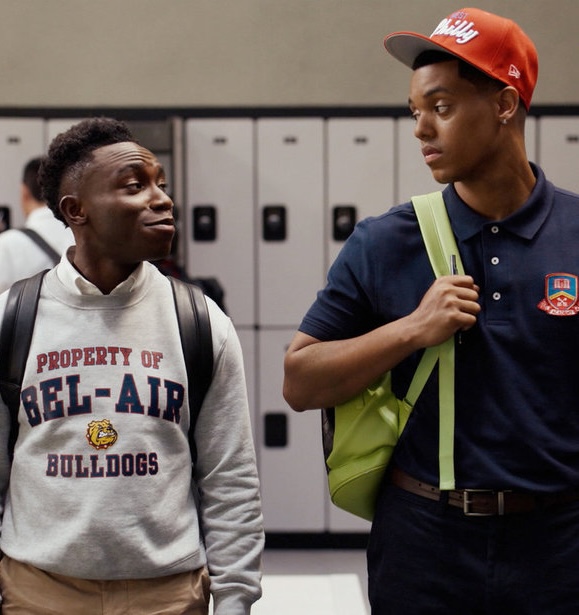
Splitting seasons into chunks didn’t build anticipation, deepen engagement, or turn episodes into events. It just fractured the audience and shortened the lifespan of each drop. A show that somehow survived long enough to earn four seasons still never felt supported.
Which brings us back to the core issue: NBCUniversal doesn’t seem to know what outcome it’s aiming for.
Does it want weekly growth? Binge spikes? Limited prestige runs? Long-term franchises? Right now, Peacock is doing a little of everything and succeeding at none of it.
The Dick Wolf Problem No One Wants to Talk About
Then there’s the other side of NBC’s scripted strategy — the one that technically works, but at a cost that’s becoming harder to ignore.
The Dick Wolf shows.

They’re still on the air, still pull respectable numbers, and they still form the backbone of NBC’s primetime lineup. And yet, anyone who watches them closely can see what’s happening.
These shows are being made on razor-thin budgets, and it shows.
That reality affects everything: there are fewer locations, smaller casts, less action, recycled storylines, and a growing dependence on conversation-heavy scenes that exist only because they’re cheaper to produce, not because they serve the story.
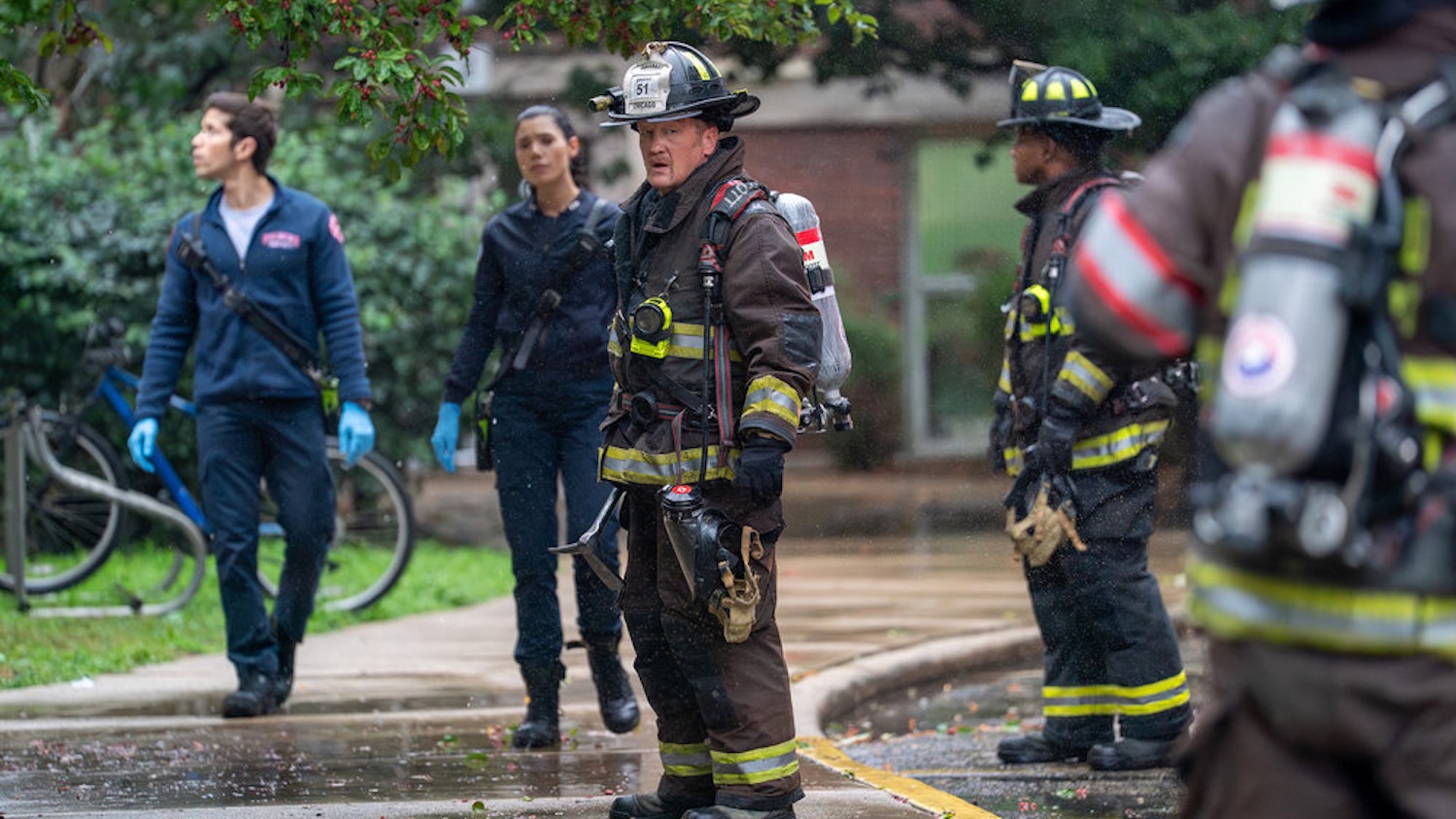
You feel it in the Law & Order universe. You feel it on Chicago Fire, Chicago PD, and Chicago Med.
Episodes are increasingly contained, visually flat, and narratively constrained. Big moments are discussed rather than shown. Emotional plots are rushed because there’s no time or money to allow them to gain traction.
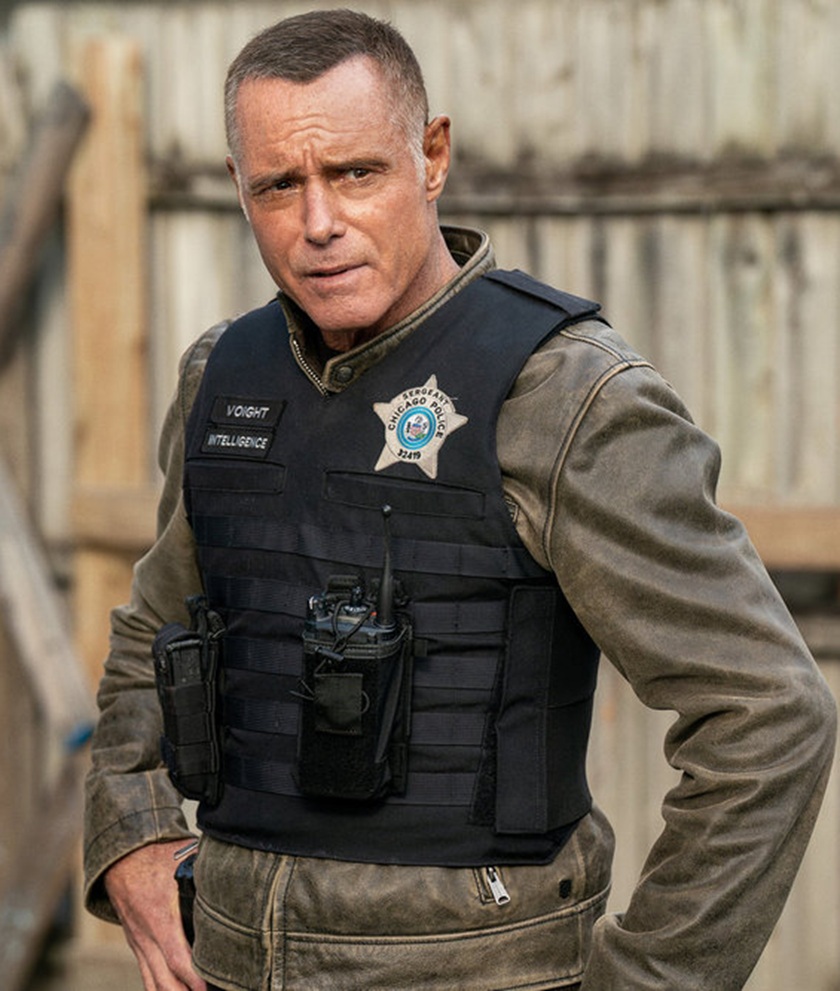
Given the long history of these shows and their continued success, this isn’t a creative failure, but a budgeting one.
NBCUniversal is squeezing the very franchises it relies on to keep the lights on, asking them to do more with less while quietly draining what once made them worth watching.
These shows are no longer being allowed to evolve or take risks. They’re being asked to survive, and that is even the source of their plot lines.
Survival mode doesn’t produce great television — it produces serviceable television, which just means it fills a time slot, keeps advertisers comfortable, and doesn’t rock the boat.
That fits perfectly into the larger problem.
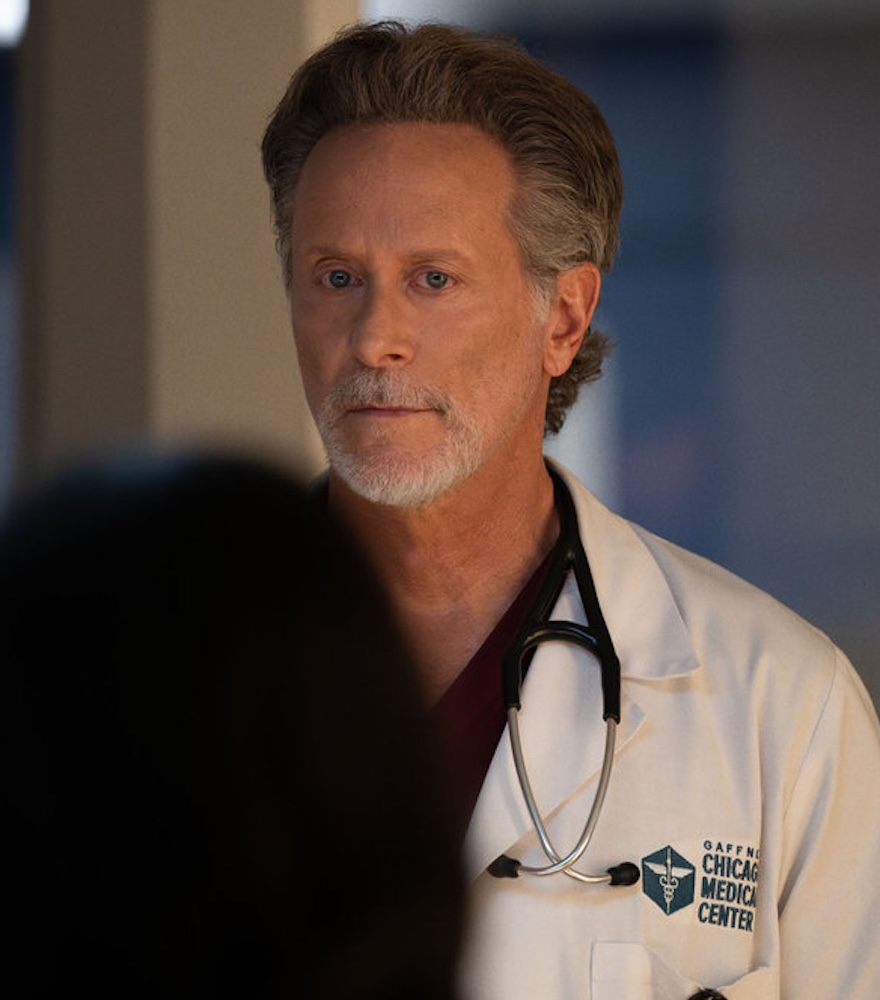
NBCUniversal isn’t investing in scripted television as something meant to grow, surprise us, or break out. It’s managing content like inventory. Some shows are burned off quickly, while others are stretched so thin they’re mere shadows of what they once were.
The passion is gone, and the message to viewers is the same, no matter which way it shakes out: don’t expect too much. That’s a dangerous thing to teach an audience.
If Sports Is the Priority, Just Say That
Here’s the uncomfortable but necessary question: If NBCUniversal truly believes sports are its future, why keep half-committing to scripted television at all?
Sports are expensive, but they’re predictable. Advertisers understand them. Audiences show up reliably. The Olympics, the NFL, the NBA — these are known quantities.
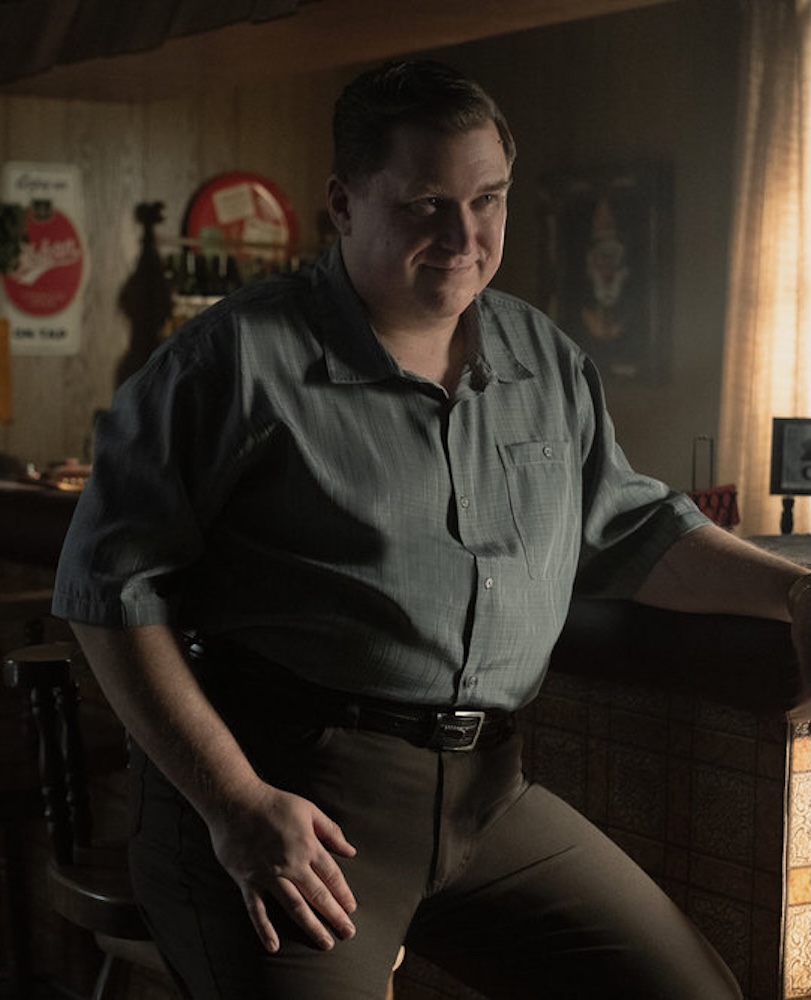
Scripted television, on the other hand, requires patience. It needs promotion and, yes, faith. There needs to be a willingness to let shows grow.
Right now, NBCUniversal seems to want the benefits of scripted television — prestige, awards, cultural relevance — without doing the work required to sustain it.
That doesn’t just hurt individual shows. It trains audiences not to trust you. Why invest emotionally in a series if it’s likely to be canceled? Why watch weekly if the network doesn’t seem to care whether you do? Why believe in the next big thing when the last one was quietly discarded?
The Sheridan Clock Is Ticking
All of this raises a bigger question — one NBCUniversal will have to answer sooner rather than later.
Taylor Sheridan is coming to Peacock in 2029. After what Yellowstone did on Peacock, it makes sense.
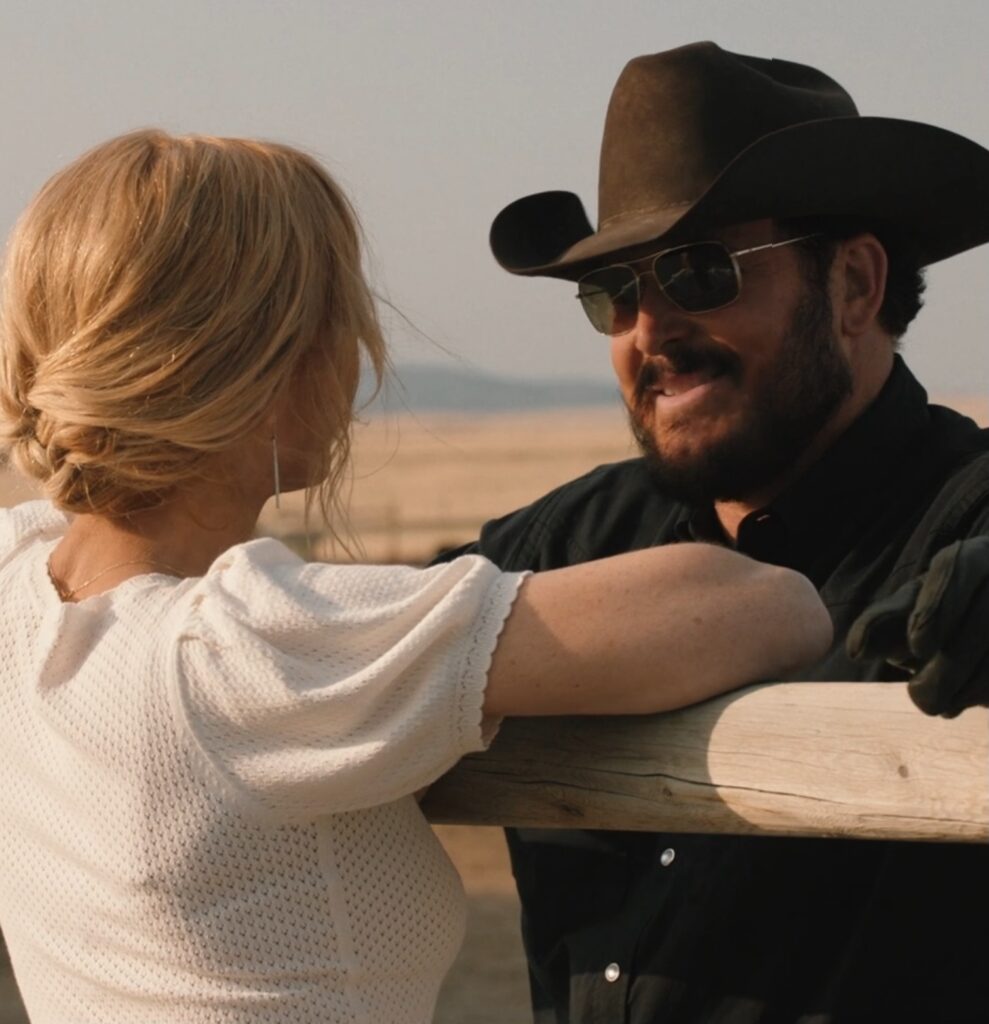
And Sheridan doesn’t just deliver hits. He delivers identity. His shows grow week to week, season to season. They thrive on conversation and anticipation. They become franchises because audiences are trained to show up.
But that only works if the platform knows how to support that model.
If Peacock turns Sheridan’s work into binge drops, it will drain the very thing it’s paying for. If NBCUniversal hasn’t rebuilt a culture of weekly viewing and long-term commitment by the time he arrives, it won’t matter how good the shows are.
And there’s an even darker question lurking underneath all of this: Will NBCUniversal even survive in recognizable form until then?
Because what we’re seeing right now isn’t a strategy but a series of disconnected decisions — sports here, binge there, pilots everywhere, confidence nowhere.
This Isn’t a Rant. It’s a Warning.
NBCUniversal isn’t failing because audiences don’t care about scripted television. It’s failing because it hasn’t decided whether it cares.
Until that changes — until promotion, scheduling, release strategy, and long-term vision actually align — no amount of pilots, press releases, or postmortems will fix the problem.
And viewers will keep doing what they’ve learned to do best: Wait, hesitate, and move on.

NBCUniversal says it cares about scripted TV — but its release strategies, promotion choices, and sports-first priorities tell a very different story.
Mouch is going to a new firehouse, and this is certainly going to shake things up on Chicago Fire. It could do it in a great way.
Disagreements and tensions happen in a marriage, and Chicago Fire can show how one can still work with Stellaride’s current storyline.