




Every June, Annecy, a sun-drenched lakeside town in France’s Auvergne-Rhône-Alpes region, becomes the world capital of animation, hosting a festival that has grown in prestige over its six-decade existence. It is with that spirit in mind that CITIA, the organization that runs the event, decided to expand the concept by turning Annecy into a year-round rendezvous for animation lovers. Specifically, this year’s festival, which ran two weeks later than usual because of the G7 taking place in the region, coincided with the inauguration of the Cité du Cinéma d’Animation, a permanent exhibition space and cinema located a stone’s throw from the Bonlieu Theater, the event’s primary screening venue.
The exhibition space, accessible free of charge during the inaugural weekend, houses a permanent exhibit that covers the overall history of animation, from the zoetrope to the advent of CGI, with sketches and props illustrating the evolution of the artform, alongside video commentary from directors who have attended the festival over the years (including Guillermo del Toro, Henry Selick and Wes Anderson). Temporary shows highlight current and upcoming projects, with Laika’s “Wildwood” being the hottest ticket. Puppets and sets from Travis Knight’s new stop motion movie were on display for everyone to see, although security was tight to an unusual degree: to prevent leaks (since the exhibit opened before the visuals were made public via a special presentation at Bonlieu), staff were instructed to put stickers on people’s phones to cover the cameras. A sound strategy, as it forced spectators to truly take in the first glimpse at what promised to be an epic journey to a new world.
Speaking of stop motion, the Aardman crew—founders Peter Lord and David Sproxton, “Wallace & Gromit” creator Nick Park, and others—were in town to celebrate the company’s 50th anniversary (technically 54th, but they’re counting from when they started using clay instead of hand-drawn animation). Their panel set the tone for the entire festival, not least because it was, for many attendees, the first time seeing this year’s Annecy trailer: shown before each screening, the video—humorously showing the city, the event, and its sponsors—is made by a different studio each year. In 2026, that honor belonged to Aardman, and the resulting short was a self-deprecating delight. By the end of Day 1, viewers were whistling along once the familiar “Wallace & Gromit” theme music kicked in to cap off the video.
The other recurring element every year is a second festival trailer, or rather, a series of them (they change according to the day or the venue), made by students from Les Gobelins, the foremost animation school in France. They usually pay tribute to the individual edition’s country in focus, but this vintage of the festival didn’t have one, owing to the Cité inauguration and the resulting desire to celebrate all forms of animation (regular proceedings will resume in 2027, with Colombia as the guest of honor). The Gobelins package followed suit, each gorgeously hand-drawn short referencing a different style, with the anime-inspired “Sparkle Ranger” attracting the loudest rounds of applause.
Due to the shift in dates, the festival had to make do without some titles that would otherwise have been sure things, such as “Toy Story 5”. One old friend that didn’t fail to show up was Illumination, a regular since the very first “Despicable Me” premiered at Annecy in 2010. Eight films in, the franchise is still ridiculously amusing, and “Minions & Monsters” is arguably the best of the bunch, as it fully embraces the potential for chaos tied to the yellow henchmen, unleashing them in the context of silent era Hollywood. Given how famously cinephile a nation France is, and how much the language informs the gibberish spoken by the Minions (voiced by franchise creator Pierre Coffin, who was raised in Paris), the festival’s opening ceremony was the ideal way to unveil this ode to creative insanity.
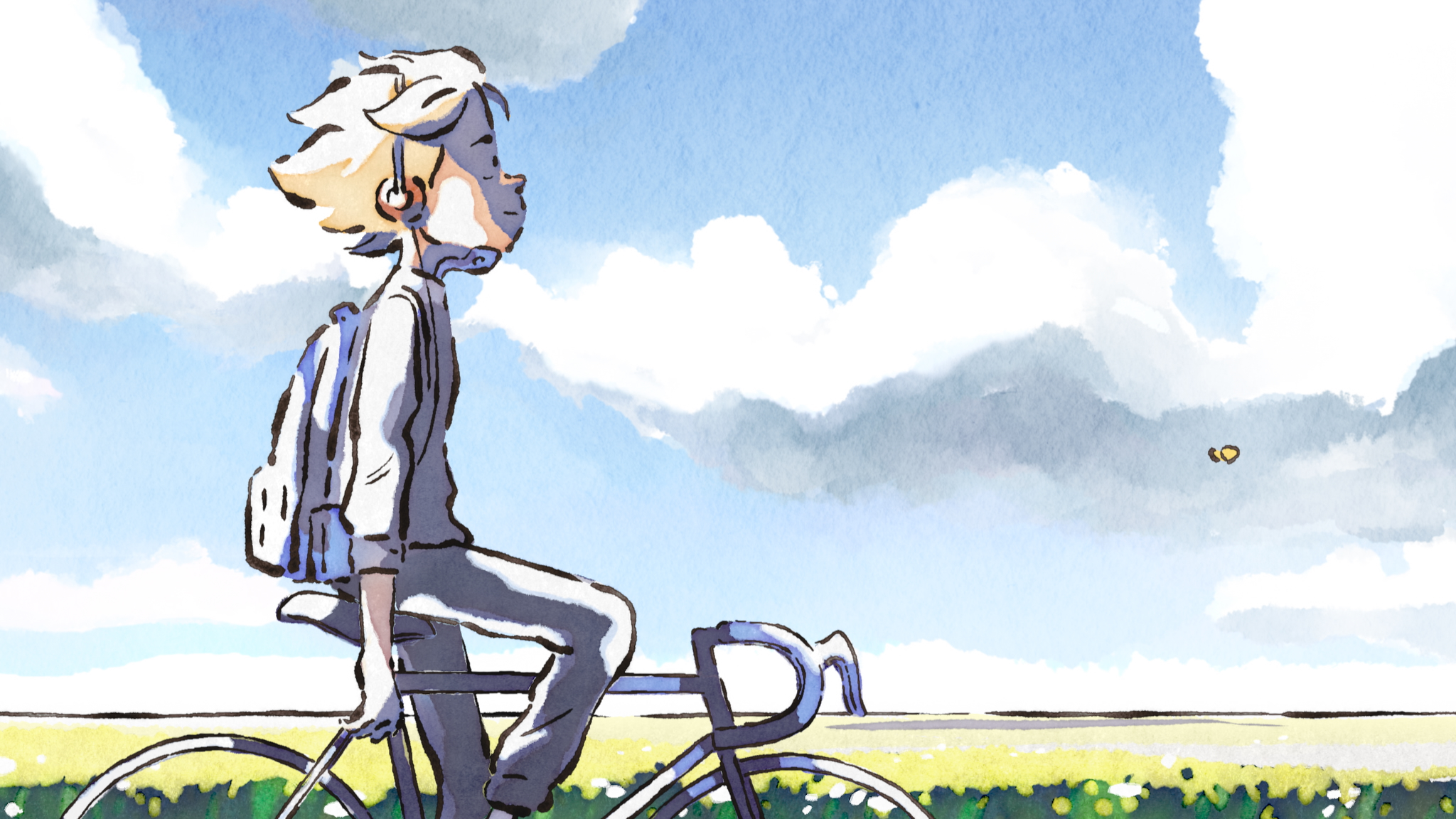
The Feature Film Competition surveyed the best of global animation, some of it in collaboration with the other major French film event: out of eleven titles vying for the top prize, six had premiered in Cannes the month before. Naturally, national productions were a huge part of it, with “Iron Boy,” “In Waves,” “Lucy Lost” and “Viva Carmen!” gaining praise at both festivals. The remaining two Cannes veterans hailed from Japan (“We Are Aliens”) and the US (“Tangles”), and all six films exemplified the main unifying theme of the competition: aside from the Chinese production “Tana,” which used computer animation, all the entries were hand-drawn, showcasing the versatility of traditional techniques in one of the rare places where old school craft is not considered outdated.
In fact, “old school” is something that comes to mind when thinking of “The Violinist,” which took home the main prize. A co-production between Singapore and Spain (with additional funding from Italy), the film, directed by Ervin Han and Raúl García, is a simple yet affecting story of friendship born through music and then torn asunder when war keeps the two protagonists apart. A visual and aural trip down memory lane (the bulk of the movie is an extended flashback), its warm colors find their emotional match in the impeccably classic score.
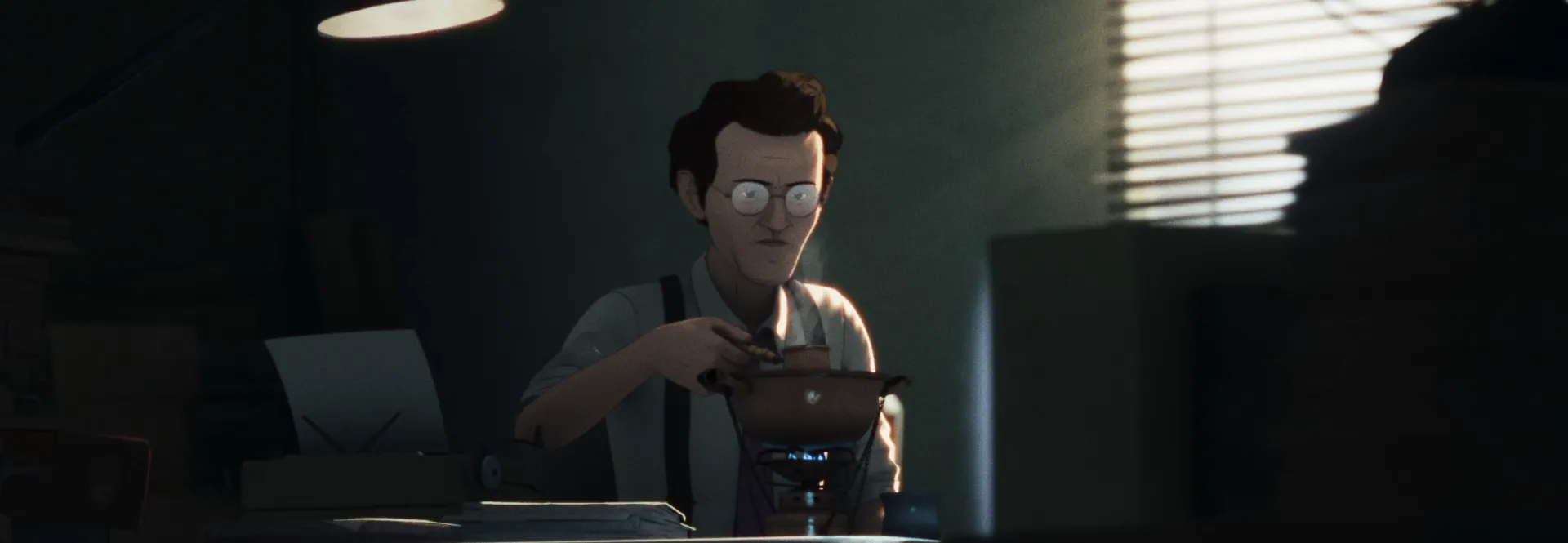
Looking at the past century was a theme, most notably in another film with a Cannes connection: a few weeks ago, Croisette visitors were the first to see “Moulin,” a French drama about the fateful encounter between Resistance figurehead Jean Moulin and Gestapo officer Klaus Barbie; the latter returned in Annecy via “The Sunrise File,” a thriller recounting the complex relationship between the Israeli intelligence apparatus and a couple of Nazi hunters. Brian Cox lends his gruff tones to the aging Israeli secret agent whose memories are the basis of the narrative. Co-director Rupert Wyatt (“Rise of the Planet of the Apes”) makes his animation debut, with quietly devastating results.
The Contrechamp competition, showcasing films that go against the grain aesthetically or narratively, featured one of the biggest swings when it comes to a movie with a marked contrast between subject matter and depiction. It was another film dealing with the wartime period, specifically in a Japanese context: “Peleliu–Guernica of Paradise”. Set on the island of the same name in 1944, Goro Kuji’s tale of camaraderie is at times startlingly brutal, its portrayal of violence being starker than one might expect considering the characters have the physical proportions—and, to a degree, the facial features—of Funko Pops and look much cuter than your typical war movie cannon fodder.

Contrechamp’s big winner was another Cannes veteran, “Blaise,” a French dark comedy with an animation style reminiscent of the TV series “Archer”. Putting its own spin on the age-old trope of the dysfunctional family, it chronicles the everyday experiences of two parents and their teenage son as they come to terms with their oddball nature and actually try to fit in and make friends. Occasionally off-putting (in a very deliberate manner), but French cinema aficionados are in for a treat courtesy of Léa Drucker’s impeccable voice work as the mother.
On the short film side, longtime Annecy attendees were probably disappointed by the absence of Swedish director Niki Lindroth von Bahr, who won in 2017 with the exquisite “The Burden” and took Cannes by storm in May with “The End”. That said, stop-motion with a Nordic feel to it was still very much present in the form of “Please,” a melancholy tale about the need for human attachments. The puppets are human rather than anthropomorphic animals like in Lindroth von Bahr’s films, but there is an amusing behind-the-scenes connection: Alexander Skarsgård is one of the voice actors in “The End,” while his father Stellan lends his weary tones to “Please” with his usual charm and wit.
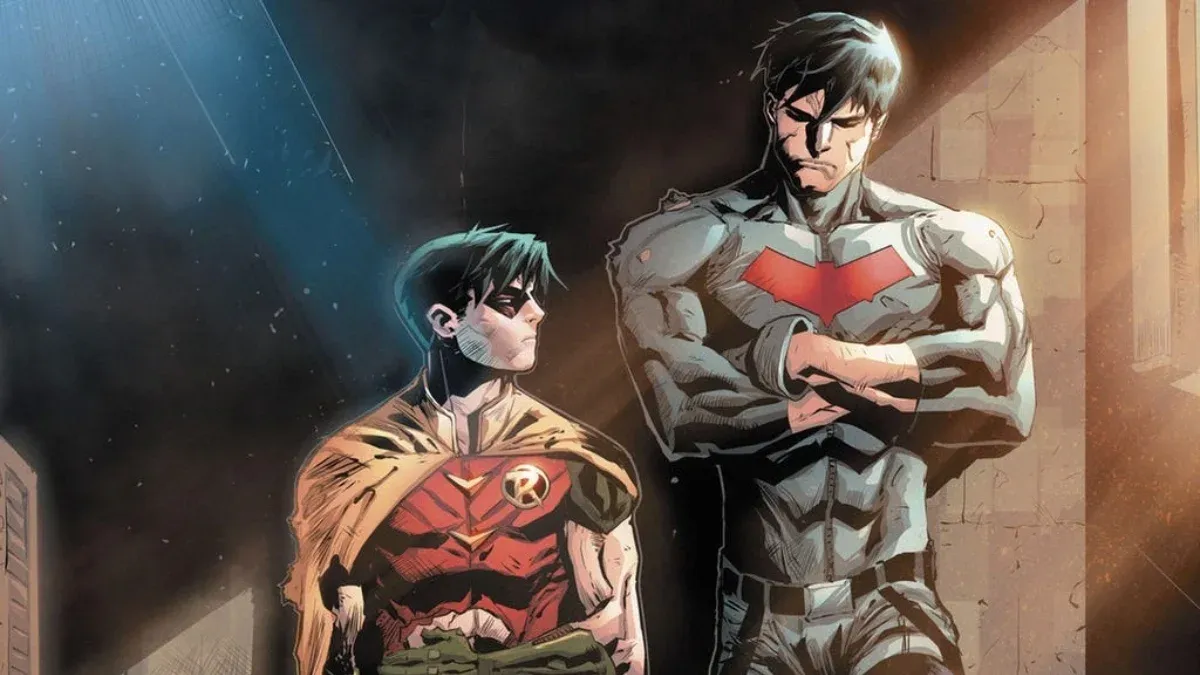
Besides film screenings, a major component of Annecy’s yearly celebration of the animated form is a wide array of special presentations: studio showcases, work-in-progress sessions, masterclasses, and the like. And none, besides the Aardman event on opening day, were as highly anticipated as the Warner Bros. Pictures Animation panel, touted as a new chapter in the company’s history (much like DC Studios, the animation unit is now its own thing within the Warner Bros. family). Those who follow what’s going on in Hollywood were justifiably concerned about what the future may hold for the team, given the merger with Paramount that appears increasingly, depressingly unstoppable. And yet, what unspooled on the screen, illustrating a slate of films coming out through 2028, was sometimes mesmerizing, never anything less than interesting (“Dynamic Duo,” a puppet-based take on the DC universe, looks spectacular).
The presentation also allowed attendees to see a new Looney Tunes short, “Daffy Season,” which will premiere theatrically with “The Cat in the Hat” later this year. A gem of pure lunacy, with Daffy Duck losing it over the fact everyone is suddenly obsessed with soccer (or, as he calls it, European football), it marks the return of animated shorts meant for theaters, as far as Warner Bros. is concerned, after a protracted absence. In other words, that’s not all, folks!