




In concept, Mike Mills is a comprehensive chronicler of his own fractured family dynamics. Three of his most recent (and well-known) films—2010’s “Beginners,” 2016’s “20th Century Women,” and 2021’s “C’Mon C’Mon”—tap into Mills’ anxieties around his strained, challenging relationships to his parents and the neuroticisms that come from the impossible act of parenthood.
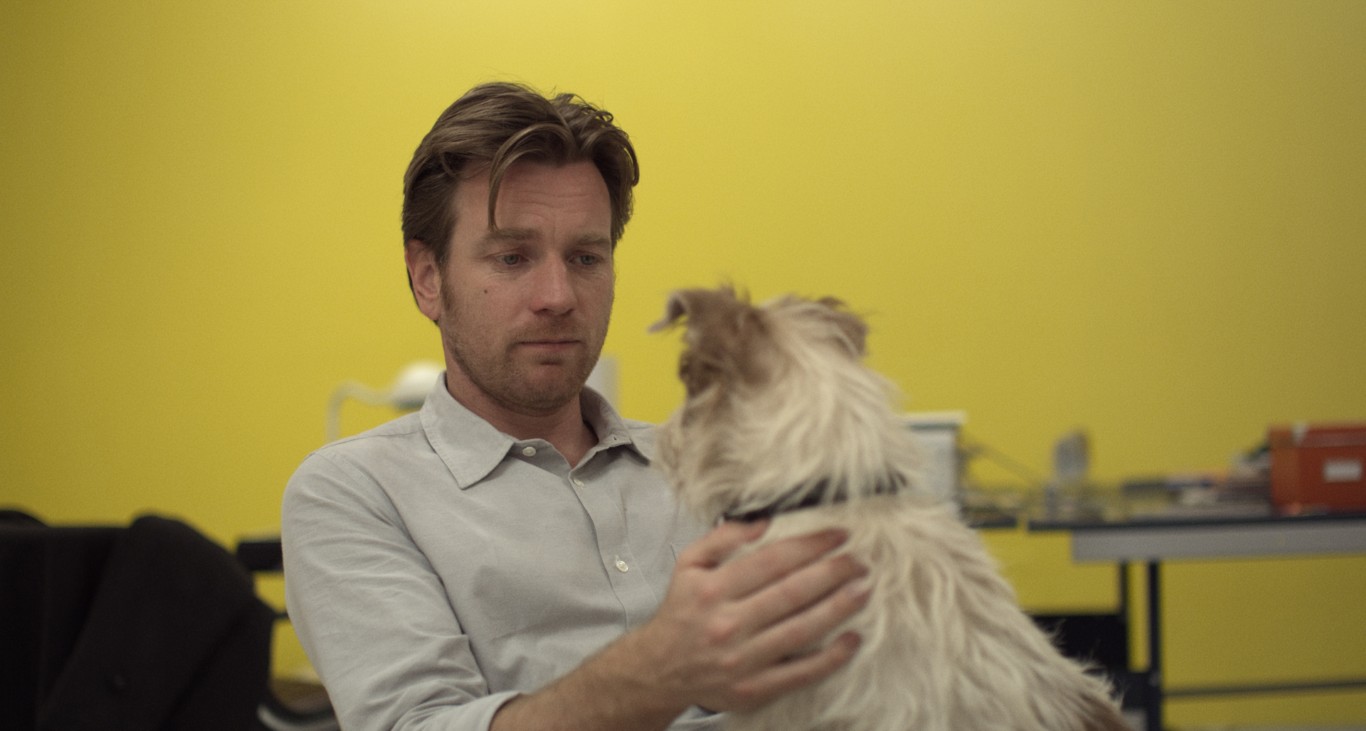
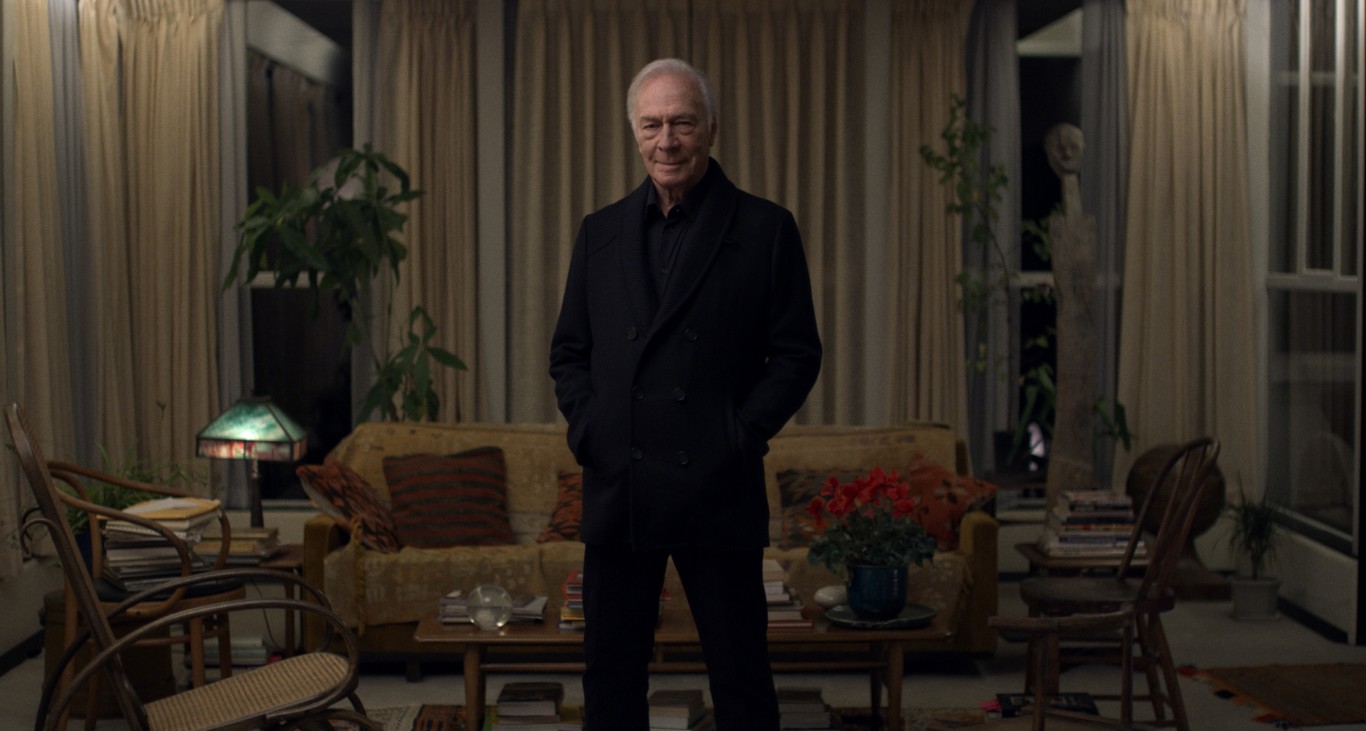
In “Beginners,” thirtysomething graphic designer Oliver (Ewan McGregor) thinks back on his relationship to his father (Christopher Plummer, in an Oscar-winning performance) in his late coming out of the closet while he wrestles with his own commitment issues to his girlfriend (Melanie Laurent). The 1979-set “20th Century Women” looks back on a fictionalized version of Mills’ mother (played by Annette Bening), a child of the Depression so desperate to understand her rebellious teenage son that she recruits two younger women (Greta Gerwig and Elle Fanning) to help her guide his development. And “C’Mon C’Mon” follows a radio producer (Joaquin Phoenix) learning the challenges of parenthood when a family emergency requires him to take in his precocious nephew (Woody Norman).
In his films, parents and children are constantly figuring each other out in ways that surprise, delight, and sometimes disappoint them. And no matter what progress they may make, or how much effort they put in, there’s a melancholic acceptance that some gulfs will be impossible to reconcile.
These stories graft naturally onto Mills’ own life story: He grew up in 1970s Southern California to a mother and father he had difficulty connecting to. The former died of cancer in 1999; the latter came out as gay in the last years of his life, dying in 2004.
Mills worked as a graphic designer for clients like the Beastie Boys, Sonic Youth, and X-Girl before starting a career in music videos for acts like Air and Yoko Ono. His first film, 2005’s “Thumbsucker,” explored somewhat similar gulfs between parents and children. But this triptych of films feels like the purest expression of his ethos: gentle, experiential works that situate incredibly universal pulls for family and understanding in the broader context of America’s cultural shifts.
The Criterion Collection recognized these connections, too, which led to the recent release of “I’ll Remind You of Everything: The Films of Mike Mills,” a 4K UHD box set which includes remastered versions of all three films, and a bevy of extras that include several short films by Mills and two of his music videos.
For RogerEbert.com, Mike Mills sat down in the lead-up to the box set’s release to look back on these works within the broader context of his career, to probe the cultural contexts and formal evolutions he’s made in the ensuing years, and to ponder whether the kids are truly all right.
This interview has been edited for length and clarity.
Obviously, we’re talking to you in the context of a big section of your work being packaged and celebrated in a Criterion box set, a distinction that cineastes often point to as inaugurating your work in a grand Canon of sorts. How do you feel about your works being, for lack of a better term, anointed in that way?
Really lucky; it’s lovely. They do such a great job, and Kim Hendrickson, who was my editor over there, did such a thorough job studying everything. You feel so taken care of and so seen. It’s a radically therapeutic process, and I’m really happy they did it. It has the last three features, but it also has a lot of my short films and music videos, which are really important to me. To be taken seriously as a filmmaker like that is quite something. It doesn’t get better, really, right? Honestly, the Academy is sort of like your alcoholic parent, and when they award you, you’re like, “Why?” Criterion is a kind of sage by contrast. To be in the company of all the other things they make and champion… I can’t even really look at it straight.
“Thumbsucker” is notably absent here. Was it a rights thing, or is it that these films feel so much like a unit?
It’s that they feel like a unit. Kim started talking to be around “Beginners,” and then “20th Century Women” came out, and she says, “Oh, it’s like a diptych.” And then “C’Mon C’Mon came out, and we realized it’s a triptych.
I didn’t intend this at all, but those three films are really a singular project, with lots of different avenues and doors to it. Kim saw that, and I was happy with that distinction. We were thinking of calling it “Parents and Children,” because it’s really all different ways of looking at the same parent-child dynamics. “Thumbsucker” feels like my starter marriage, you know? I learned how to be a filmmaker there, and I owe so much to all those actors. But it just didn’t fit the brief.
I’m sure that same calculus had to be made when figuring out which music videos or shorts to include, as well. You used the word ‘therapeutic’ earlier; obviously, these films feel therapeutic to watch, but were they therapeutic for you to make, considering how closely they hew to your relationship to your parents and parenthood?
So that’s interesting. I do a lot of therapy, and therapy’s been really important to me, and I’ve had these intense, complicated family situations with benefited from and qualified me for therapy. [Laughs.] But it’s really important to understand that the films aren’t therapy. They’re films. If I were really doing therapy in these films, I would be screwed. I’ve taken things I’ve learned about, processed, and churned over for a long time, and figured out a way to share them. The film part is the sharing part. It’s not like a therapy process. It’s much more chaotic, internal, and multi-layered.
I’m very interested in intersubjectivity, how two people change and affect and impact each other, which is in the zone of therapy. And I’m interested in the history, politics, and power of our emotions and emotional lives. Without therapy, I would not be the same filmmaker at all. But a lot of younger filmmakers come up to me and say, “I want to do therapy in a film,” and I’m like, “Don’t do that! You’re going to make the most self-concerned movie ever.” And I’m sure a lot of people find my movies to be like that.
There’s a real magical transformation that happens when you give a story to an actor and invite their authorship, invite their soul and life history to alter it, to transform it. There’s something really weird and deep about doing that. Having Christopher Plummer play my dad, or Annette Bening play my mom—they’re no longer solely my mom and my dad. These are characters and performances. And yet they teach me shit about my mom and my dad that I didn’t know about before I met those two souls.
It feels like you’re starting from the germ of those experiences with your parents, but in the course of creation, they’re abstracted into these broader ideas that feel universal—the struggle to understand your parents and where you fit in, and how they parent you. In “Beginners,” there’s a lot there about how late is too late to start your life over again…
Never! It’s never too late.
Right, but then you move into “20th Century Women,” and even “C’Mon C’Mon,” where there is a sense of urgency in the parent characters to make sure the kids are all right, to raise them in traditions and values that will set them up for success.
I don’t think there’s a neglectful parent in that world. I became a parent as I was writing “20th Century Women,” and a lot of what Annette says is what I said. That line, “You get to see him out in the world as a person; I never will”? I dropped my kid off at preschool when they were three, and watched them waddle off into this teacher’s arms, and I was suddenly out of their mind; they didn’t know I was still watching. I thought, “Oh, that person gets to see my kid in ways I never do.” I went home and wrote that line for Annette to say about me. You can start to play with these positions.
It’s interesting to speed-run these films and see your evolution as a filmmaker in microcosm. “Beginners” feels like this rougher, more immediate thing, with more handheld, whereas there’s something a little more structured and elegant about “20th Century Women.” Then “C’Mon C’Mon” plays out in this elegaic black and white. How did you, as a filmmaker, feel you were refining or adjusting your style as you progressed? Or was it a case of fitting the style to the project?
There are a lot of layers to answer that. One is that I am getting better over time. For this set, I had to recolor them all, so I looked at them all back-to-back, just as you did. I haven’t looked at those films since I finished them, and I realized I’m a lot better at background and camera placement and nuts-and-bolts things than I was during “Beginners.” I make a living not by doing these films, but by doing a couple ads a year, which throw you into all sorts of weird situations. It’s not a bad film school at all. You get tested all the time. So by the time I got to “C’Mon,” I felt a lot better about camera movement and placement, relationship to a location. Background actors are hard to get right. That’s an underrated part of the craft.
Another part, just to be real, is money. I made “Beginners” for $3 million, for 30 days of shooting. It was lucky it looks as good as it does. I had more money for “20th,” and then “C’Mon” was in the same budget realm, if you account for inflation. It’s funny, there’s a short film in the set called “Deformers,” one of the very first things I ever did, about [skateboarder] Ed Templeton. I watched that and thought, “Holy shit, I have not changed!” I still love to do a portrait; I love people’s objects. I really love using empty space as a way to talk about the person in that space. I like natural light; I like things to not feel heavy on the cinematic sauce. For as much as I’ve evolved, I’m really very much the same person.
Speaking of that notion of portraiture and ephemera, your first two films in particular use these montages and monologues to position your characters in cultural and political contexts: magazine ads, political photos, certain types of music. What do you get out of building these character beats through external materials?
The films are all about parents and children, and the back-and-forth of when each becomes the other. Back to “Beginners,” my dad’s innermost, personal part of his erotic life, his emotional life, was also part of 20th-century American oppression against queer people. The personal being political is always something that excited me. In the interview I did with Kirsten Johnson [in the set], I talk a lot about the book The Unbearable Lightness of Being, which does this all the time. There’s this constant trafficking across that spectrum of how those two things co-shape each other. How the most mysterious inner part of your being is actually part of history, gender, power.
I went to a very theory-laden, materialist kind of art school, so I’ve been thinking like this since I was 18. One of my first loves was the whole Godard French New Wave world, which was a lot about how we’re a part of history—albeit in a pop, irreverent, but also very Marxist way.
Going back to your thoughts on the engine and economics of filmmaking, where you make a lot of your personal money doing a couple ads a year…
And my health insurance, so I can be a dad. I’m a union member, but I get the union minimum each time. So for a five-year film, I get, like, minimum wage.
But I’m also thinking about how you got your feet wet doing music videos, which is a really interesting school of filmmaking for people of your generation. It feels like a bit of a dying art, because it’s harder and harder for music videos to get budgets and visibility.
Yeah, but people are still doing it. I have a lot of young filmmaker friends who are still coming up through music videos. In the American late capitalist model of trying to be an independent filmmaker, you have very few options. You don’t have government-funded arts or anything like that. So unless you go right into features, or come into filmmaking late (I was in my late twenties, watching Spike Jonze and Michel Gondry use ads and videos to get in on the filmmaking life), that was the hustle I learned. That’s the only way I’m gonna be able to do this game. When I started, it was film, and a lot of lights; you couldn’t edit on your Mac, and you needed money. It’s a bit more accessible now.
I think also the channels for visibility for those videos are different now—back then, when you were making them, they were often shown on MTV…
Barely on MTV. It’s really funny; I was a bit, but not much. As a filmmaker, you don’t exist unless you have an audience of some kind, and all the energy and effort that goes into making any film thing doesn’t exist unless people are watching it and reacting. So I did that Air video for “All I Need,” which is this documentary with this couple; I made it just thinking I was being a clever conceptual artist, and it happened to really connect with the couple in it because they live in the next town, and we’re all skaters. But people watch it, and they’re emotional about it; I didn’t know I could do that. The audience taught me what I was doing, and videos are great for that. They’re often an idea contest; even when I did the Talking Heads [“Psycho Killer”] video, I competed against, I don’t know how many directors. The band sees your treatment, which is a written script. It’s like writer-director school. How good is your idea? Then, I’ll let you direct.
It’s an interesting crash course, I’m sure. It feels like we’re existing in an age where that is happening in different channels as well, like the YouTuber-to-filmmaker pipeline, where you have to be scrappy and independent and craft that way.
But look at all the young director reels or young DP reels, and we’re really in the same boat. They’re still using music videos to get their reels going and get attention.
Going back to the films, though, we’ve talked about reinventing your parents through these characters in “Beginners” and “20th Century Women,” but all of these films also have a character that feels so intensely you, where your perspective is seen. What was it like giving yourself an avenue to re-explore yourself at various stages of your life through these projects?
My parents are pretty fucking fascinating; they really are. While we were close in lots of ways when I was a child, we’re not as close as I wanted, so I have a tremendous internal emotional engine to keep wanting to commune with them. And their moment in history is really crazy, loaded, and different from mine. But an important thing to note is that things that Christopher Plummer says in “Beginners” can be things that I, as the child, feel and say, and the same with Annette as things that I wrote as a parent. They all circle each other. One thing I often do in rehearsal is that I’ll have the parent and child switch lines. They’ll do each other’s dialogue, and it’s weird how some things suddenly make total sense. Like we co-make each other in these intense personal relationships.
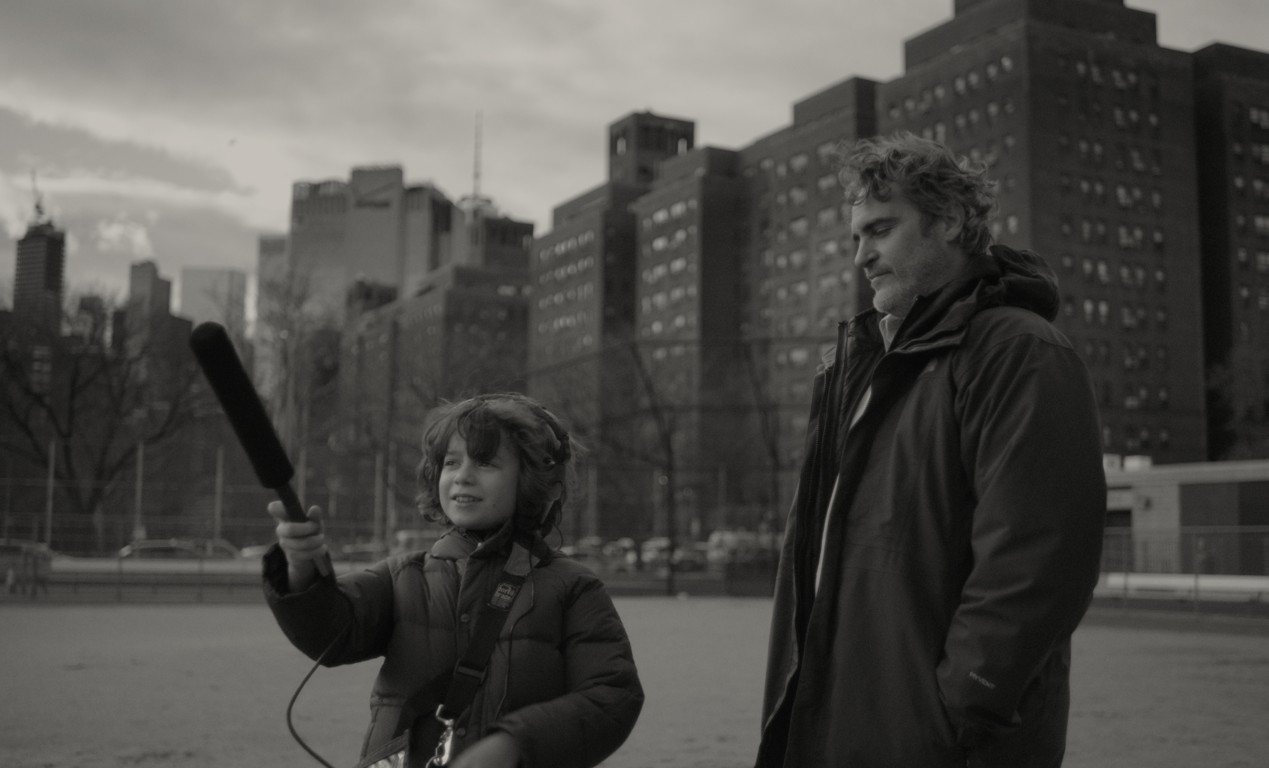
The more I do these films, the more I realize that the children are the parents. Parents are the children. You are the enemy. The enemy is you. It’s a co-created identity. Ewan McGregor’s played me, Joaquin kind of played me, and Lucas played me. I don’t feel super tied to any of these characters; it doesn’t feel super personal. Obviously, it is in some ways, but when I see it, I think, there’s Joaquin doing his thing.
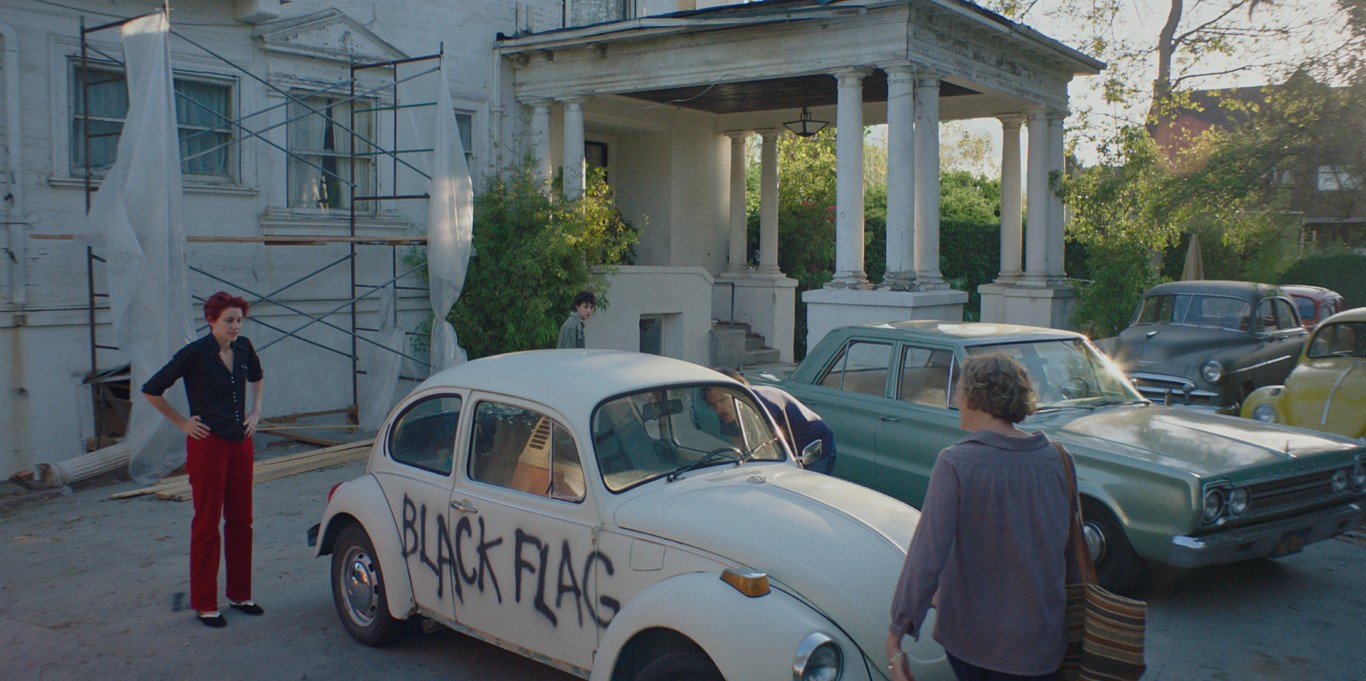
So much of these films are about people who are thrown together by familial ties trying to figure each other out, knowing you guys are fixtures in each other’s lives but not understanding each other. There are these gulfs, as you mentioned, of history and generation and political dimensions; Dorothea in “20th Century Women,” for instance, is both a product of the Great Depression and also struggling to get on board with the counterculture moment. I still think of the scene where she and Billy Crudup sit and really try to figure out Black Flag as a band.
That is very literally actually my mom; she totally did that and had the same critique.
But no one’s the bad guy. Everyone’s just trying to figure each other out, and there are just these walls.
I should probably have some more villains in these movies. Some more conflict would probably be good.
I don’t know if you thrive in that mode, honestly; I think you love this observational space where there’s empathy for every one of your characters, even when they cause pain.
Yeah, I guess even with empathy and love, you still cause each other pain. It’s impossible to understand the other person as much as you would like, or get everything that you want. That micro-scale is sort of my zone of interest.
Honestly, the villains of your movies are just broader concepts like capitalism and climate change and heteropatriarchy.
Or biological family.
True, and not even the family members; it’s the ties themselves.
They bring us together and tear us apart. All the families are broken too in my movies, so they have a non-traditional element to them.
Even Scoot McNairy in “C’Mon,” who is ostensibly the source of that film’s conflict, gets great empathy because he’s just struggling with mental illness.
He was so good, so visceral in that movie. But “Beginners” is a queer family, and there are other people in the family, like Hal’s friends and his lover. There’s the Billy character in “20th,” and “C’Mon” has an estranged brother and sister with a mother who caused problems, and the dad is gone. It’s like the families are on a spaceship, and it’s about how to keep the spaceship flying when it’s broken. It’s interesting because when someone says, “I make my films about family,” I say, “Wait a second!” Family means lots of things. I’m really interested in constructed families, not biological families.
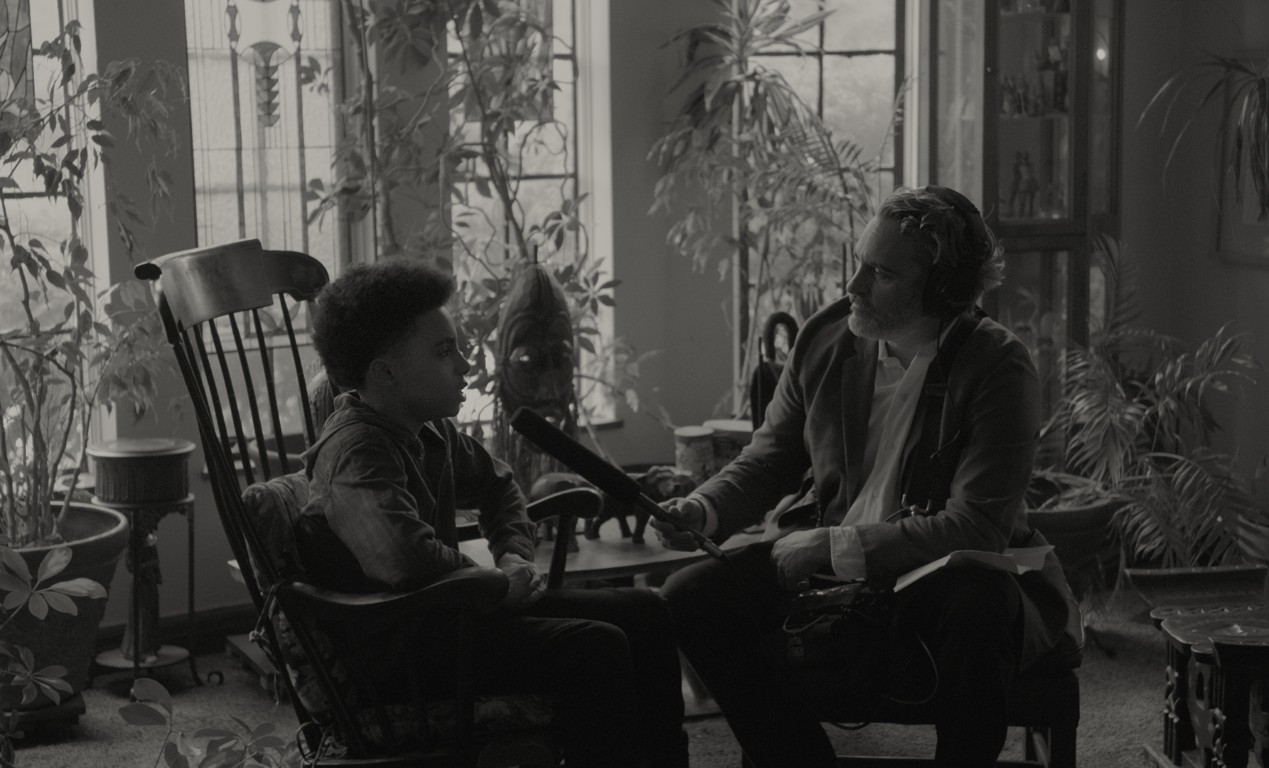
I asked you this question five years ago when I talked to you for “C’Mon C’Mon,” and it’s related to a question Johnny asks the kids. I’m curious if your answer has changed. When you think about the future, how do you imagine it’ll be?
I have a 14-year-old kid, and when I hang out with them and their friends, I see all their amazing gender neurodiversity explorations, their politics, their awareness, their expansive digital Internet diaspora minds. And I feel great hope. They’re really exciting and interesting, and then they’re under so many crazy pressures I didn’t have to understand. All the same, I sense a great vitality and dexterity of mind and heart that feels new and interesting. There’s a fluidity and empathy that’s very 2.0 compared to the structures that created this person. I, and all my peers in my generation, feel positive when I think about the young folks.