




Because many with AIDS were ostracized by their families, Ruth Coker Burks helped them with everything from doctors’ appointments to burial arrangements.
Ruth Coker BurksDuring the early years of the AIDS epidemic, Ruth Coker Burks cared for hundreds of dying people.
As the AIDS epidemic swept across the country, many people with AIDS were abandoned by their families and neglected by health care workers afraid of getting sick. But Ruth Coker Burks was an exception.
When she was 25 years old, she crossed paths with a young man dying of AIDS in Arkansas. The experience was so transformative that Burks spent the next decade carrying for people with AIDS, doing everything from helping pick up their medication, to personally burying the dead at a local cemetery.
“I knew that what I was doing was right, and I knew that I was doing what God asked me,” Ruth Coker Burks later remarked. “It wasn’t a voice from the sky. I knew deep in my soul.”
Ruth Coker Burks’ Chance Encounter With A Person With AIDS
Born in Hot Springs, Arkansas, in 1959, Ruth Coker Burks graduated from University of Arkansas at Little Rock, married, and had a child. By 1984, however, Burks was divorced and working as a real estate agent.
That year, when Burks was 25, her life changed when she went to visit a friend with cancer at the University Hospital in Little Rock.
According to a 2015 feature in the Arkansas Times, Burks noticed nurses drawing straws to see who would check on a patient in a room with a red door. Burks knew about the AIDS epidemic sweeping the country, and rightly guessed that the patient inside the room was a person with AIDS.
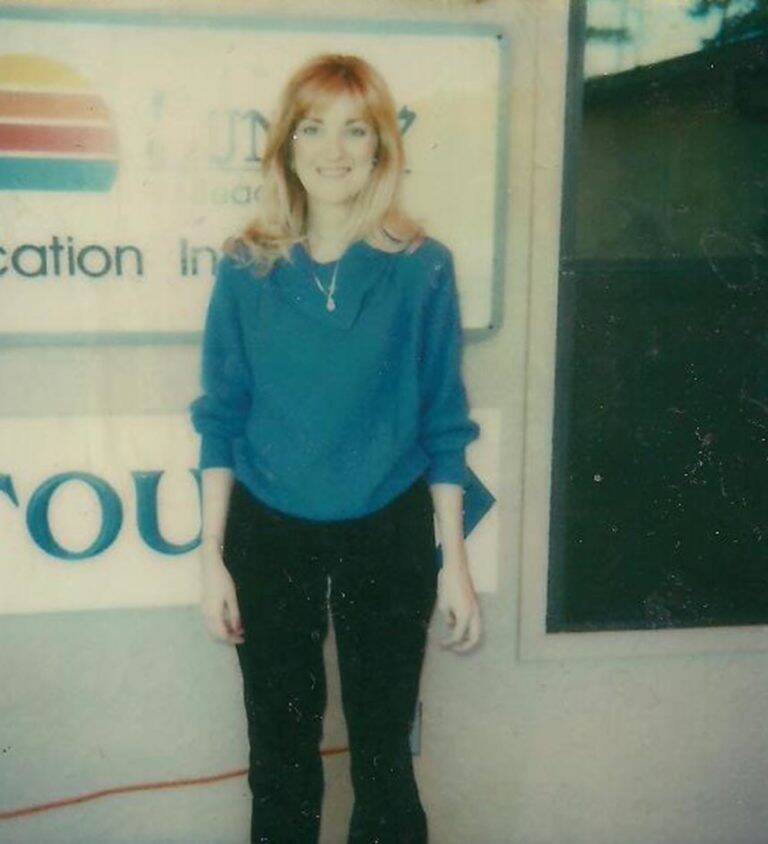
Ruth Coker BurksRuth Coker Burks in 1986, around the time that she started caring for people with AIDS.
Curious, she stepped inside and found a skeletal young man named Jimmy. He pleaded with Burks to contact his mother and ask her to visit.
Burks relayed his dying wish to the staff. “Honey, his mother’s not coming,” the nurses told Burks. “He’s been here six weeks. Nobody’s coming. Nobody’s been here, and nobody’s coming.”
In disbelief, Burks called Jimmy’s mother. But she refused to come. Like many other family members of people with AIDS in the 1980s, the woman had cut off her son. She told Burks that Jimmy was a sinner and dead to her.
Burks returned to Jimmy’s room to tell him the terrible news. But when she walked in Jimmy, delirious, thought she was his mother — and thanked her for coming. “And what was I going to do?” Burks recalled. “What was I going to do? So I took his hand. I said, ‘I’m here, honey. I’m here.’”
The First Of Many AIDS Funerals
Ruth Coker Burks sat at Jimmy’s bedside, holding his hand. “I stayed with him for 13 hours while he took his last breath on earth,” Burks related.
Even though she’d only known Jimmy for a few hours, Burks felt a responsibility to care for him. But after his death, Burks struggled to find a funeral home that would accept the body of a person with AIDS. According to the Encyclopedia of Arkansas, Burks finally found a funeral home in Pine Bluff, 90 minutes away, that would cremate Jimmy’s body.
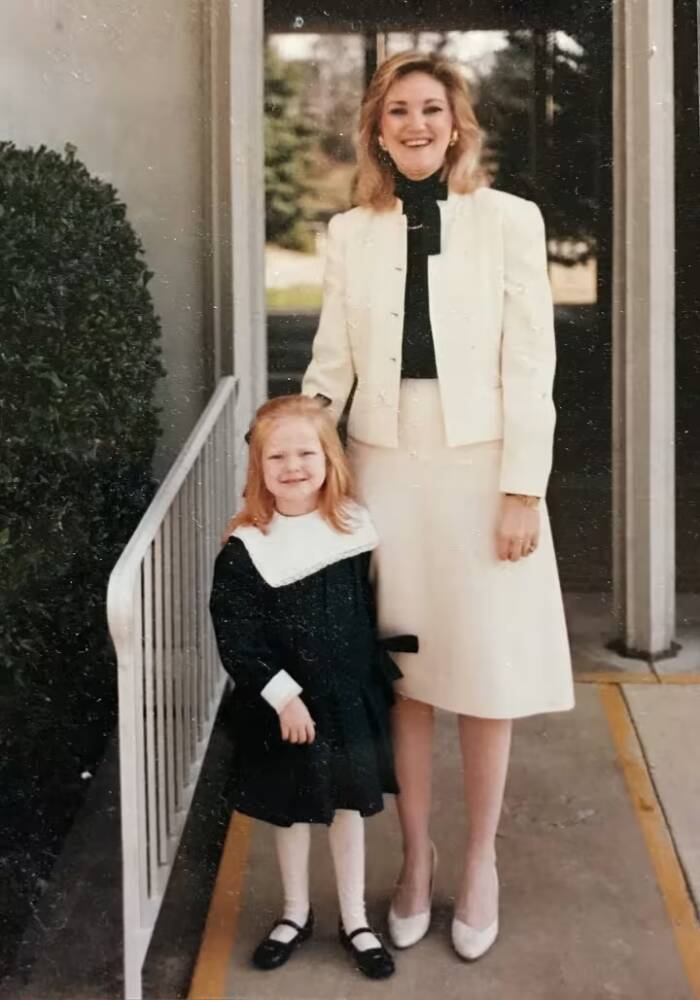
Ruth Coker BurksRuth Coker Burks and her daughter, Allison, who often helped her mother hold funerals at Files Cemetery.
Not only did Burks pay for Jimmy’s cremation out of her own pocket, but she also took responsibility for his burial. Burks put his ashes in a cookie jar, which she brought to Files Cemetery in Hot Springs. There, Burks buried Jimmy’s ashes near the grave of her own father.
Ruth Coker Burks says that she eventually buried more than 40 people at the cemetery, where her family purportedly owned dozens of plots.
“My daughter would go with me,” said Burks. “She had a little spade, and I had posthole diggers. I’d dig the hole, and she would help me. I’d bury them and we’d have a do-it-yourself funeral. I couldn’t get a priest or a preacher. No one would even say anything over their graves.”
How Word About Ruth Coker Burks Spread
Word about Ruth Coker Burks quickly spread. The Guardian reports that, after Jimmy’s death, a nun from a Catholic hospital in Hot Springs called Burks and asked for her help caring for a person with AIDS they were “not equipped” to care for. As with Jimmy, Burks sat with him until he died.
After that, more and more people reached out.
“They just started coming,” Burks recalled. “Word got out that there was this kind of wacko woman in Hot Springs who wasn’t afraid. They would tell them, ‘Just go to her. Don’t come to me. Here’s the name and number.’”
Soon, Burks was driving people to medical appointments and picking up their prescriptions. Many pharmacies refused to even handle AIDS drug prescriptions for fear of the virus, and some even insisted Burks keep the pen she used to sign checks out of fear that the virus could spread.
Meanwhile, local gay clubs raised money to support Burks’ efforts.
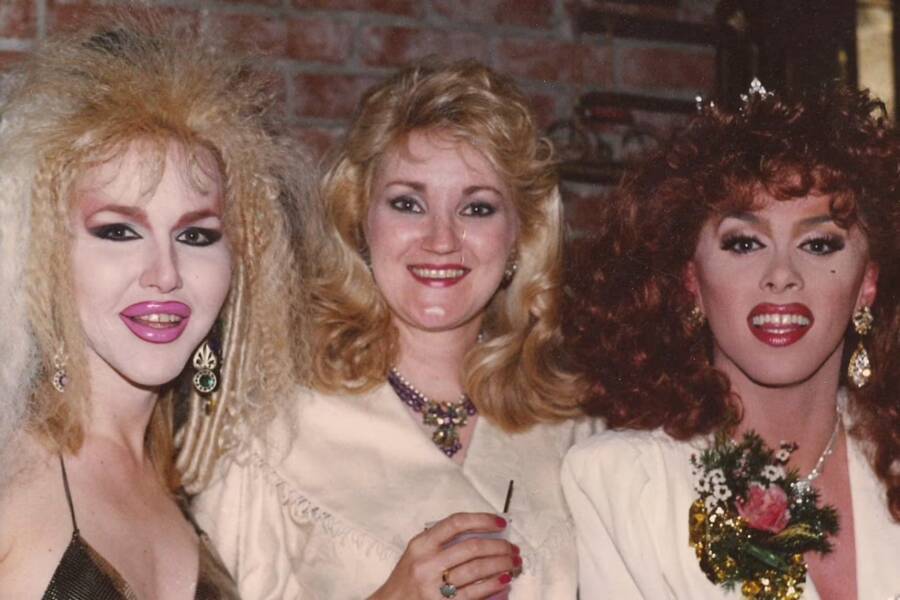
Ruth Coker BurksRuth Coker Burks worked with local drag queens to raise money for people with AIDS.
“They would twirl up a drag show on Saturday night and here’d come the money,” Ruth Coker Burks recalled. “That’s how we’d buy medicine, that’s how we’d pay rent. If it hadn’t been for the drag queens, I don’t know what we would have done.”
But not everyone was happy with her work.
Fear And Anger Toward People With AIDS
When Burks reached out to the families of people with AIDS, she often received a harsh response.
“They hung up on me. They cussed me out,” Burks recalled. “They prayed like I was a demon on the phone and they had to get me off — prayed while they were on the phone. Just crazy. Just ridiculous.”
As Burks told the Arkansas Times, one mother of a person with AIDS called her up and asked how long it would be until her son died.
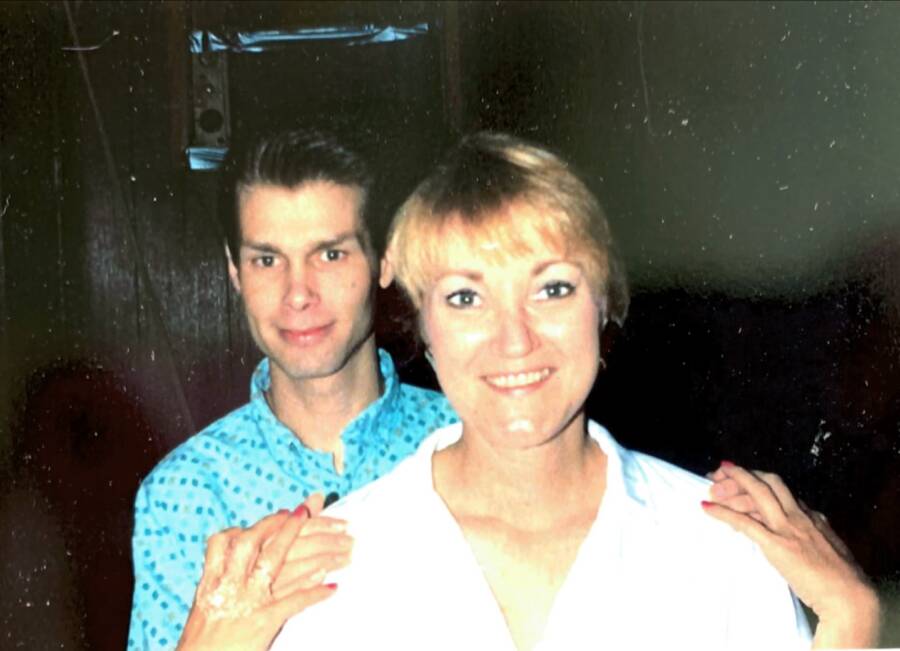
Center for Arkansas History and CultureRuth Coker Burks with Billy, a young man with AIDS who she became especially close with before he died.
“‘I just want to know, when is he going to die? We have to get on with our lives, and he’s holding up our lives,” Burks recalled the woman saying. “‘We can’t go on with our lives until he dies. He’s ruined our lives, and we don’t want people up here to know [he has AIDS], so how long do you think he’s going to stay here?’”
Meanwhile, Burks also became a target of anger and fear herself.
“It was like I was contagious,” she told The Guardian. The KKK even burned a cross on her lawn twice.
The ‘Arkansas Cemetery Angel’
Despite the challenges of her work, Ruth Coker Burks cared for people with AIDS for the next decade. By her own estimation, she helped care for around 1,000 people dying of AIDS in the 1980s and 1990s.
“You were the only person that we could call,” Billy’s former partner told Burks in a 2014 StoryCorps interview. “There wasn’t a doctor. There wasn’t a nurse. There wasn’t anyone. It was just you.”
Incredibly, the people she cared for lived two years longer than the national average. Burks thinks this is because she touched them without gloves whenever possible, and loved them like her own children.
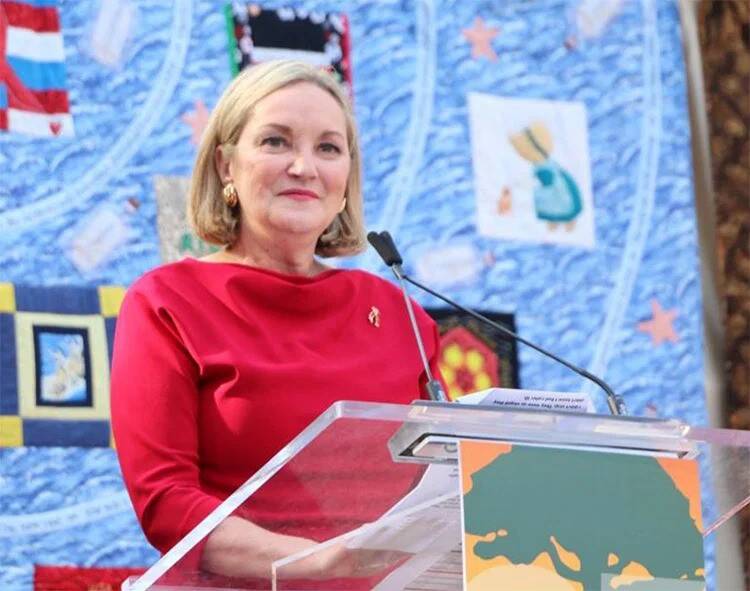
Encyclopedia of ArkansasRuth Coker Burks advocated for people with AIDS when most people treated the epidemic with fear and hatred.
As better care became more available for people with AIDS, however, Burks’ service was needed less and less. Though she consulted with the White House on AIDS — she’d known Bill Clinton growing up — Burks no longer spent her days caring for people with AIDS. Instead, she became a funeral director and a fishing guide, and focused on her grandchildren.
Though articles about Burks in the 2010s brought new appreciation to her work, they brought new scrutiny as well. Some have questioned her claims, including about her family’s ownership of cemetery plots, and the exact number of men she buried at Files Cemetery. But no one doubts that during the AIDS crisis, Burks stepped up when many people turned their backs.
“I never thought of myself as an activist,” Ruth Coker Burks said. “I just thought I was doing what I was supposed to do.”
After reading about Ruth Coker Burks, discover the tragic story behind the deathbed photo of David Kirby. Or, learn about Ryan White and how he changed America’s perception of AIDS.