




There’s something quietly radical about Pluribus.
It doesn’t rush to explain itself, flatten its ideas into slogans, or reassure the audience that there’s a “right” way to feel about what’s happening. Instead, it asks us to sit with uncertainty — the same uncertainty Carol Sturka lives with every day.
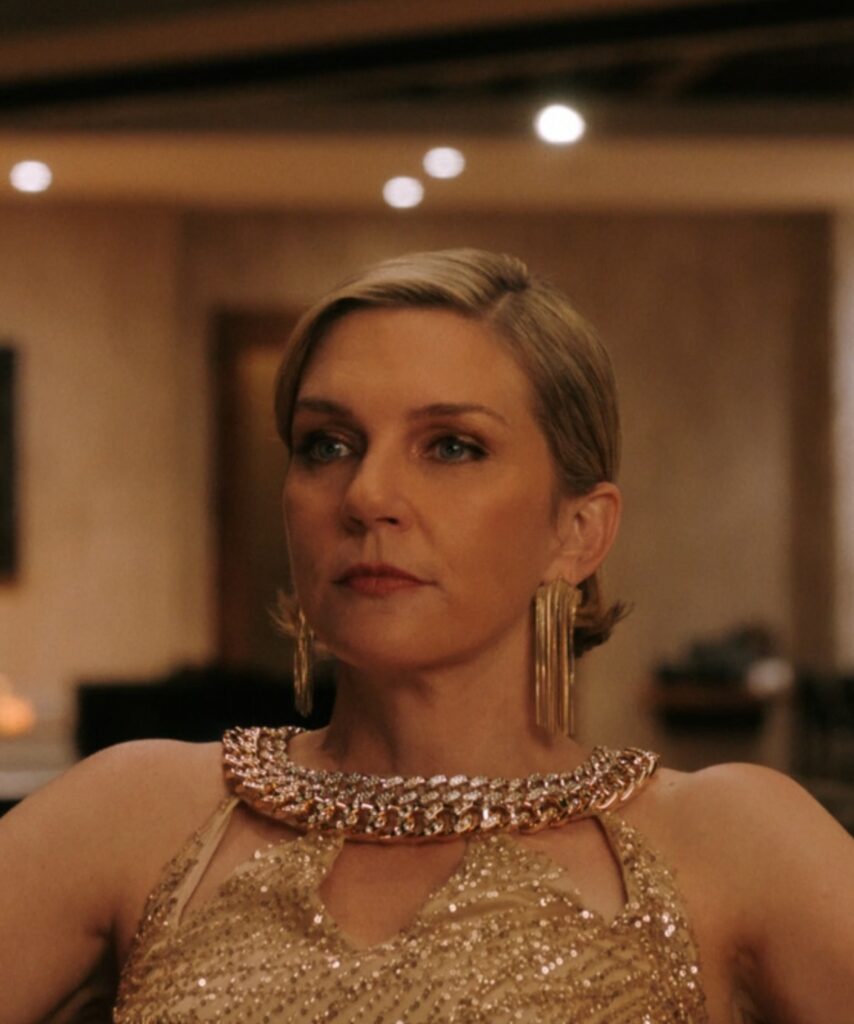
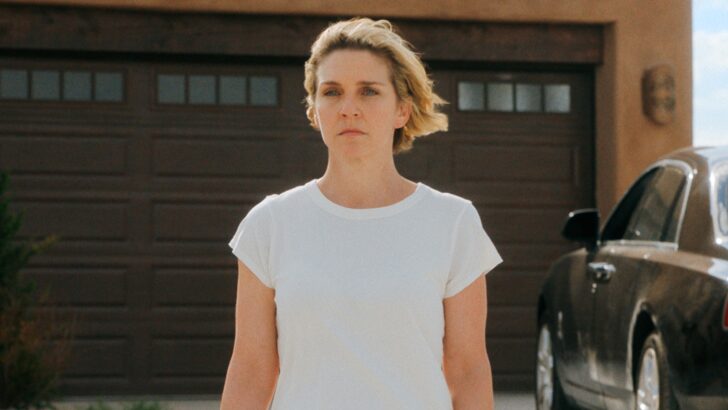
That weight falls largely on Rhea Seehorn’s shoulders. Much of the series places Carol alone in the frame, carrying scenes without another actor to play off, navigating a world where humanity has technically survived — but individuality hasn’t.
When I asked Seehorn whether working in such isolation helped put her in Carol’s headspace, she was quick to reframe the idea.
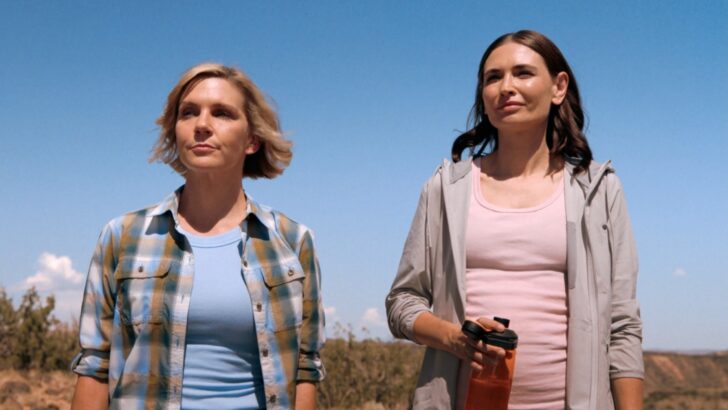
She emphasized how much the supporting cast still shapes Carol’s inner life, even when they aren’t physically present. Scenes with Carolina Widra’s Zosia and Miriam Shor’s Helen, Carol’s wife, continue to echo long after they end.
“You’re bouncing off those feelings when you’re then left alone,” she explained, noting that Carol is often processing what she’s just experienced — or anticipating what comes next — even in silence.
But as for drawing a direct parallel between Seehorn carrying the show and Carol carrying the world, she hadn’t quite thought about it that way.
“I haven’t really equated it to how it affects me, Rhea, being the lead of the show, affects me playing Carol,” she admitted. “It’s a good question. I’ll have to give it some thought.”
That hesitation felt honest — and appropriate for a show that resists easy answers.
Alone Isn’t the Same as Lonely
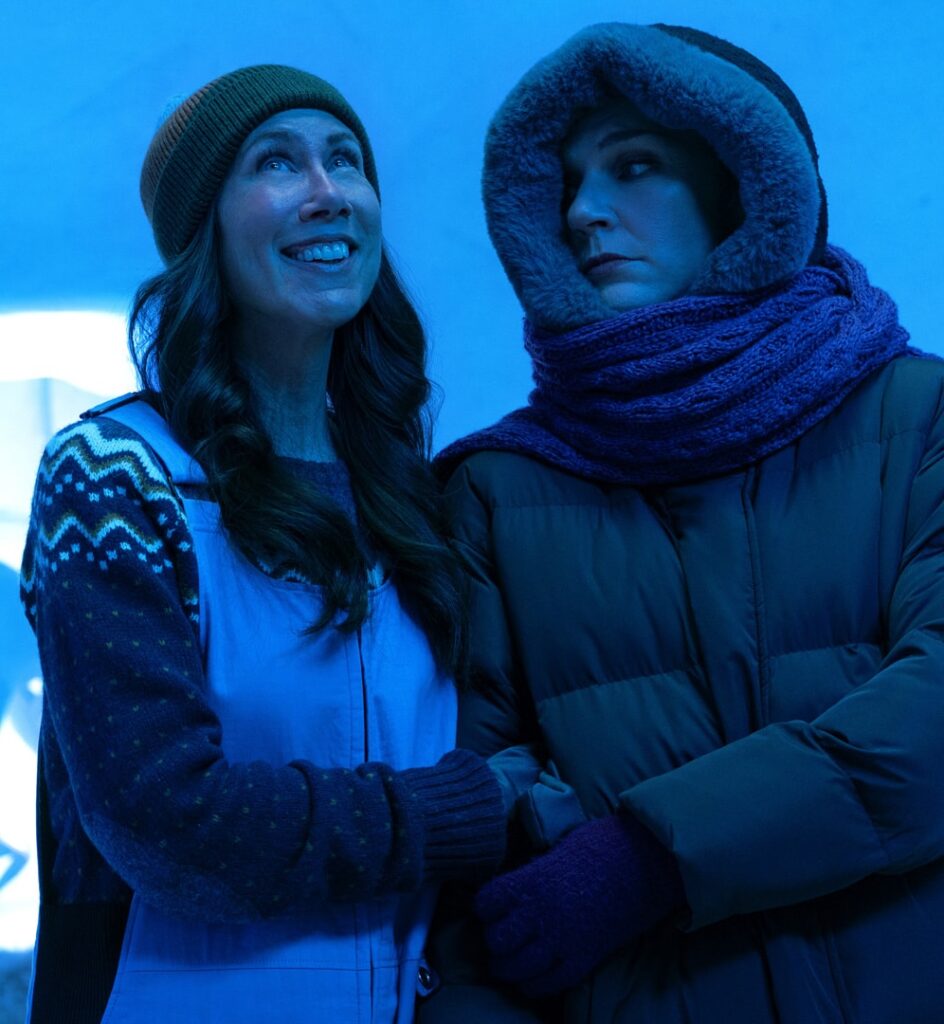
Carol may be surrounded by people again, but she’s never felt more isolated. Even among the hive, she remains fundamentally singular — the last person of her kind in any meaningful sense.
When asked whether Carol is more afraid of losing herself to the hive or of who she might become without it, Seehorn didn’t hesitate.
“I think that Carol is absolutely the most terrified of losing herself and losing her individuality,” she said.
But that fear doesn’t exist in a vacuum. Over the course of the season, Carol is pushed to a breaking point — more than forty days of total isolation, paired with the existential dread that this might be her life forever.
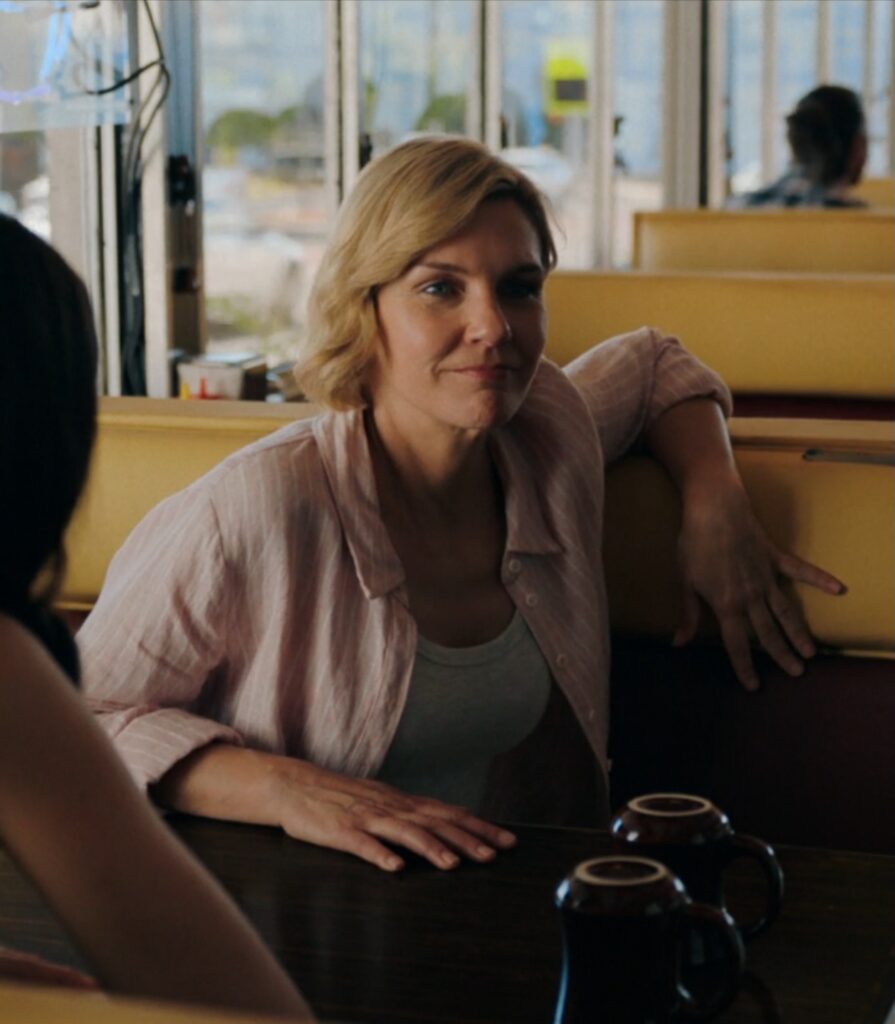
“It’s, ‘I’m going to die alone on this couch and never speak to another human being for the rest of my life,’” Seehorn said. “I mean, it’s horrific to think about.”
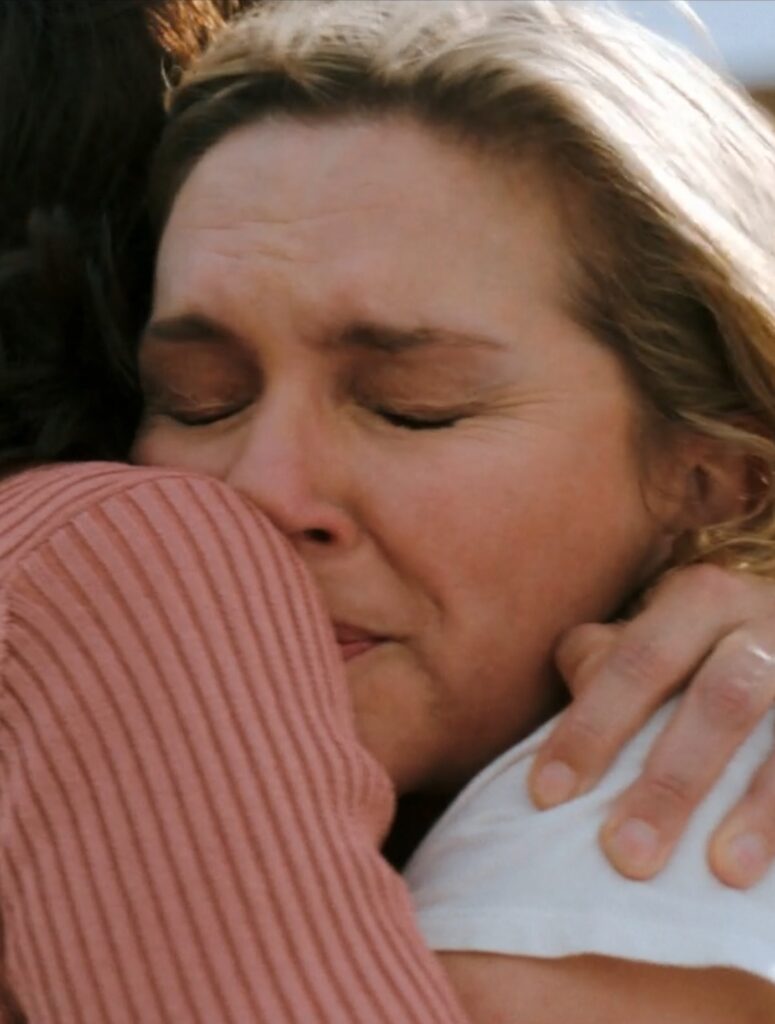
That prolonged solitude forces Carol to confront something she hadn’t fully admitted to herself: how deeply she needs connection.
“There’s a big difference between choosing to be alone and being lonely,” Seehorn said, describing Carol as someone who likely believed she could survive without others — until she couldn’t.
That realization reshapes everything that follows.
“I think many of her decisions post that moment are born out of the terror of the alternative.”
What the Hive’s Hunger Reveals
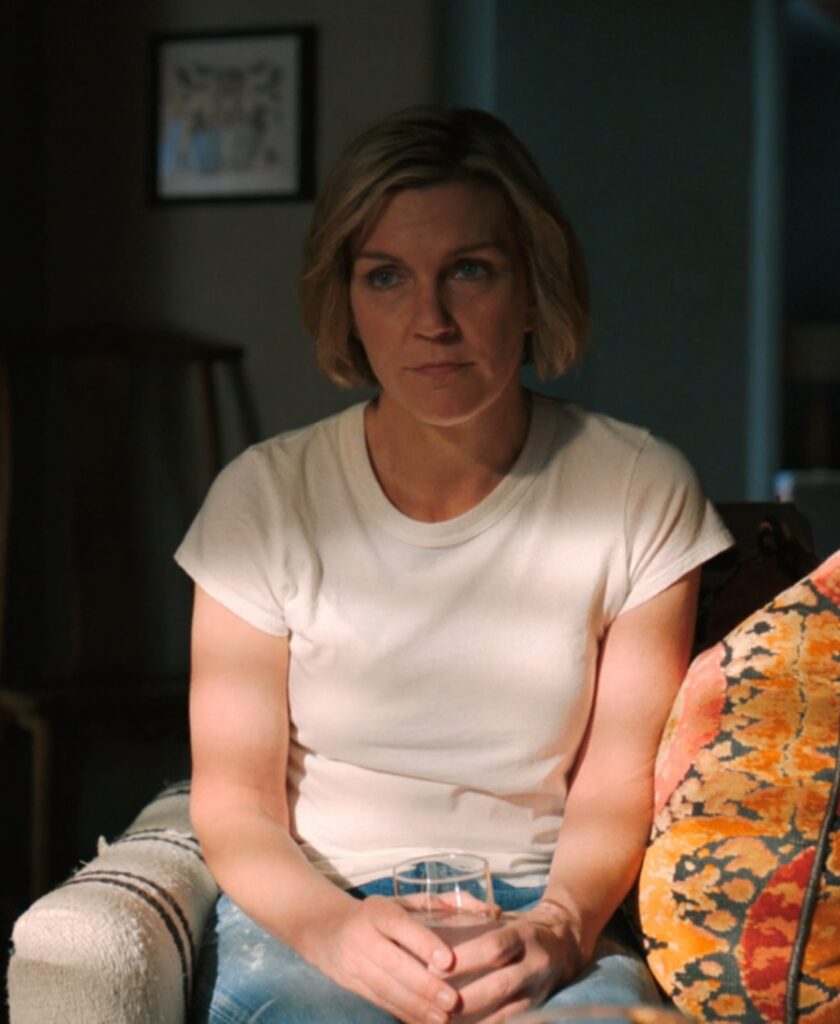
One of the most telling details in the later episodes is Carol’s whiteboard — her attempt to impose order on a world that no longer makes sense. It tracks what she knows, what she suspects, and what still doesn’t add up.
It also coincides with a striking revelation: the hive is desperate for new Waycaro stories.
When asked what that hunger tells Carol, Seehorn framed it less as manipulation and more as exposure.
“To me, it highlights the fact that there is no new art in this hive mind world,” she said. “In this supposedly world of constant contentment.”

She draws a sharp distinction between contentment and joy — between peace and fulfillment — and it’s one Carol seems to recognize in real time.
“As far as she knows, the rest of the immune people are not novelists,” Seehorn explained. “I’m one of the only people that could write any new book ever. And these people are very excited about it.”
That realization lands with complicated force. Carol has lost her wife — but she’s also lost her career, her purpose, and the love that once defined her days.
“Writing was the love of her life,” Seehorn said. “And there was no point to it anymore.”
Until suddenly, there was.
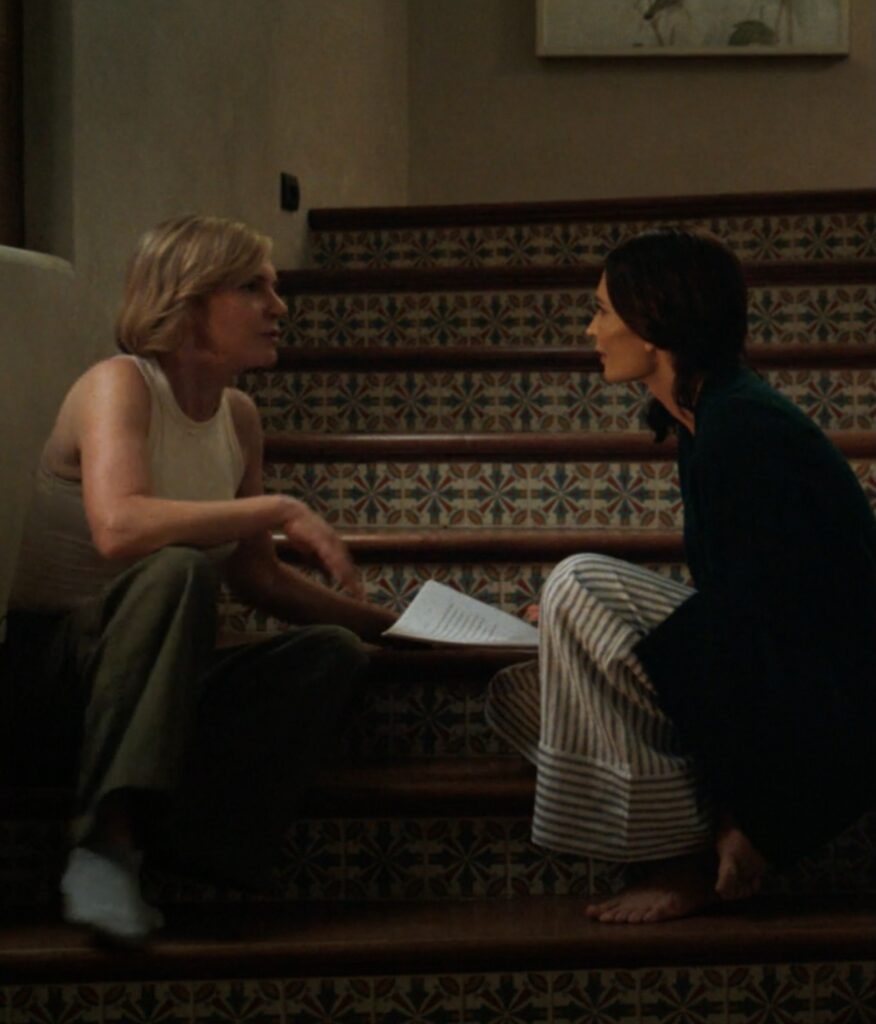
“She realizes, ‘Oh wait, I could have fans. I could have an audience.’”
It would be easy to dismiss that impulse as ego or pettiness, but Seehorn resists that framing. For her, it’s something far more human — and far more necessary.
“It’s the very real idea of why we all love a reason to get up out of bed,” she said. “Why we run to our desk or run to a meeting or put our pants on.”
Purpose, after all, is not a luxury. It’s survival.
“They took that away from her,” Seehorn said. “And now she realizes she might get some of it back.”
Living in the Gray
Pluribus doesn’t offer clean moral binaries.
The hive isn’t presented as purely monstrous, nor is Carol framed as unquestionably right. Instead, the series lingers in gray areas — the kind that feel uncomfortable precisely because they’re familiar.
When asked how intentional that ambiguity is, Seehorn pointed back to the storytelling itself.
Carol rarely gets answers — only more questions. And rather than racing toward certainty, the show allows those questions to breathe.
That discomfort isn’t a flaw. It’s the point.
With only one episode left in Pluribus Season 1, it remains one of the quietest, most unsettling meditations on humanity currently on television.
And through Carol, it asks something deceptively simple: What are we willing to give up in exchange for never being alone?
Sometimes, the most unsettling answers are the ones we’re still circling.
In case you missed it, you can read our Pluribus Season 1 Episode 8 review now.
The Pluribus Season 1 finale officially premieres on December 26, but it will most likely be available on Christmas Day. Merry Christmas!

Rhea Seehorn on Carol’s Fear of Losing Herself — and Why the Hive’s Hunger for Art Says Everything
Rhea Seehorn talks about Carol’s fear of losing herself, the cost of isolation, and why the hive’s hunger for Waycaro reveals what Pluribus is really saying about humanity.
Pluribus Season 1 Episode 8 Review: Carol Is Subjected to a “Charm Offensive,” but Does It Work?
The hive goes the distance with Carol on Pluribus Season 1 Episode 7. Does the “Charm Offensive” work as they hoped?
9 Quiet TV Shows with a Lot to Say About Being Alive
These quiet TV shows don’t chase spectacle — they ask big questions about grief, love, belief, and identity, and trust viewers to sit with them.

The post Rhea Seehorn on Carol’s Fear of Losing Herself — and Why the Hive’s Hunger for Art Says Everything appeared first on TV Fanatic.