




I’ve definitely rehearsed a text message in my head before hitting send, especially when it’s a long email with dozens of jargon and diplomatic language. However, when it comes to in-person talks, I’ve never even thought about outsourcing them to an AI chatbot.
Turns out an entire generation has handed the whole script to AI instead (via The Wall Street Journal).
So how deep does this actually go?
Niharika Abbaraju, a 20-year-old cancer researcher, uses ChatGPT at work every day, which is quite normal, as it provides plenty of useful insights and condensed information.
However, off the clock, it becomes her full-time conversation coach, helping draft dating app pickup lines, party icebreakers, and even real-time responses to whoever’s standing next to her.
When a conversation drifts toward a book she hasn’t read, she’ll pull up an AI summary just to fake her way through it. What’s even more interesting is that she’s not the only person who is doing this.
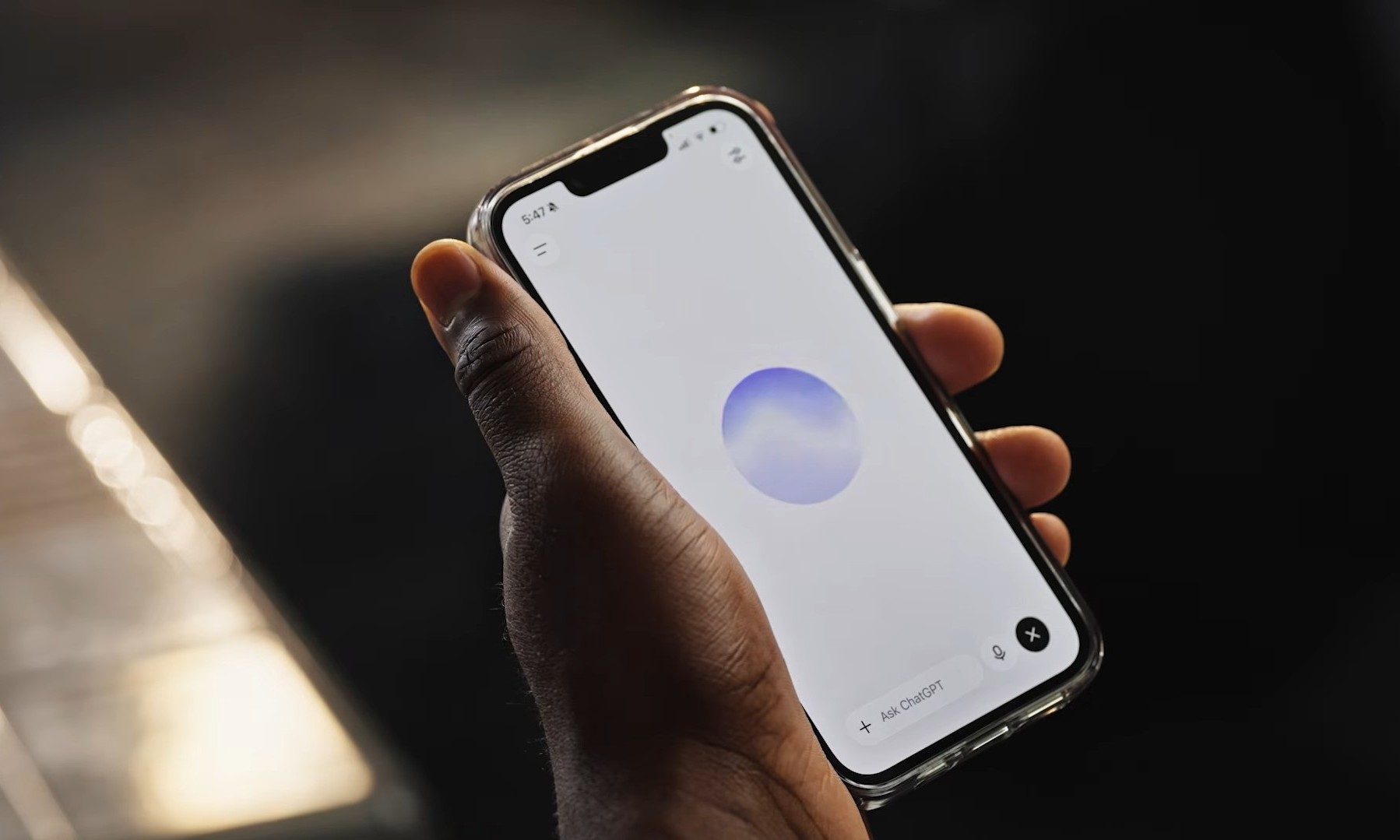
People are using AI to draft responses for personal conversations
A growing wave of young adults are letting chatbots script their texts and steer their dating lives like a digital Cyrano de Bergerac, especially those wrestling with social anxiety.
Not everyone’s thrilled about it, though. Austin personal trainer Andrea Wallace noticed a friend’s date suddenly texting in flawless grammar, which is a dead giveaway if you ask me.
Northwestern student Lucas Dvorak’s girlfriend flatly told him using AI on her felt “creepy” and unromantic, and he says he respects that. Kalin Lincoln, 20, uses ChatGPT to cool down angry emails and prep “note cards” before tense talks, though she says it’s backfired at least once, giving her the exact opposite advice she needed.
What do the experts actually think?
Clinical psychologist Ashleigh Golden warns that leaning on AI to check if your texts “sound okay” quietly teaches you to distrust your own instincts, a problem that compounds for anyone who is already socially anxious.
Mental health professionals call this pattern an “epidemic of self-mistrust,” and it’s easy to see why. Outsourcing every uncomfortable moment doesn’t build confidence (nor a sense of responsibility); it just delays the discomfort you’ll eventually have to face when the conversation goes south.
Relationship coach Alexandra Friedman suggests capping AI rehearsal to once a week, using a chatbot to get an idea of what to say, never how to say it.

I don’t recommend having emotional conversations with a chatbot
As I mentioned earlier, I never outsource personal conversations to a chatbot; it doesn’t matter how good a joke it can crack based on the topic or how fast it can think of a snarky comeback. However, I know a dozen people who use ChatGPT and other chatbots for emotional counseling or therapy.
They say it saves them money and time, but I’ve personally asked them not to trust chatbots with human emotions. There have been reports about AI conversations worsening people’s mental health and pushing them into self-harm.
If you know someone who does this on a daily basis, caution them by sending them the research or news articles.