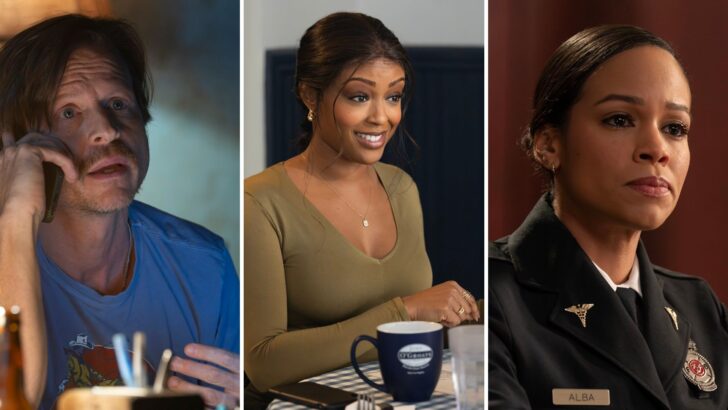
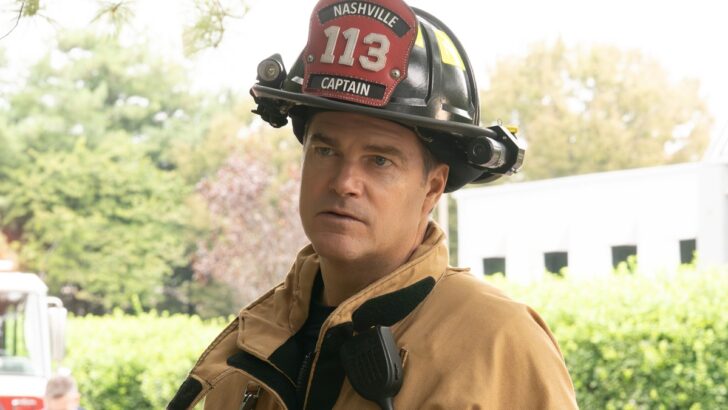
I was not prepared for The Rookie to go full zombie horror in Season 8 Episode 10, and I was even less prepared for it to actually work.
Not just as a fun genre detour, but as a genuinely tense, well-executed piece of television that had me gripping the remote as if it owed me money.
“His Name Was Martin” was the kind of episode you watch and immediately want to tell someone about.
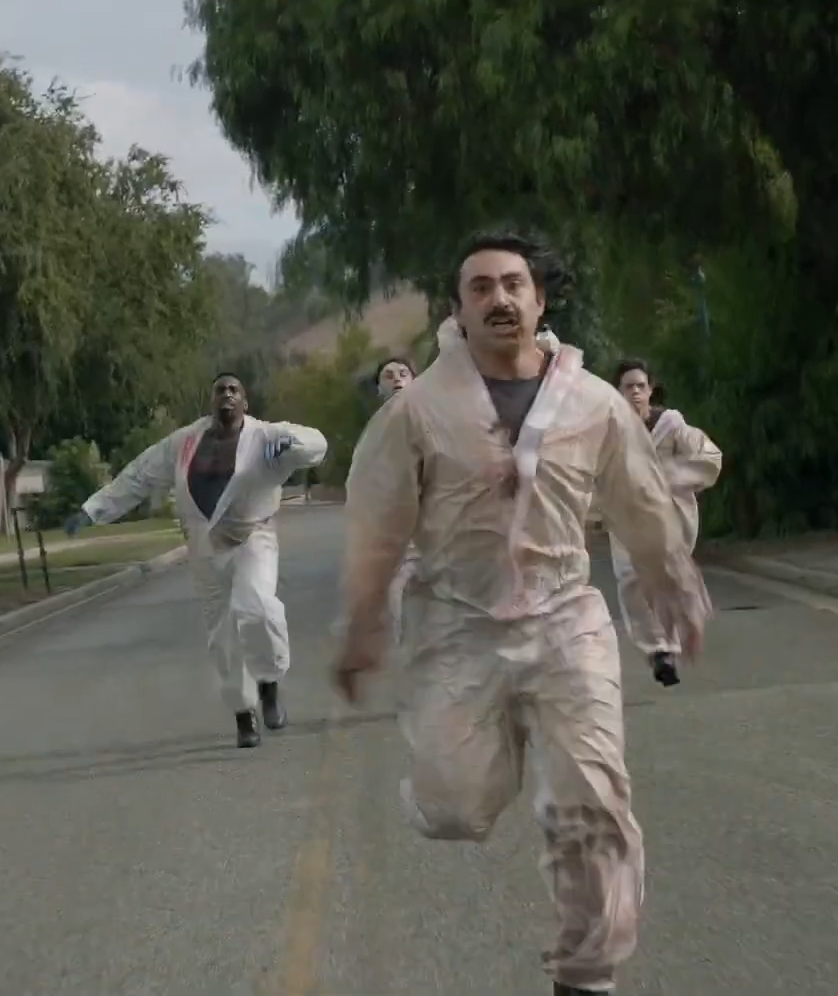
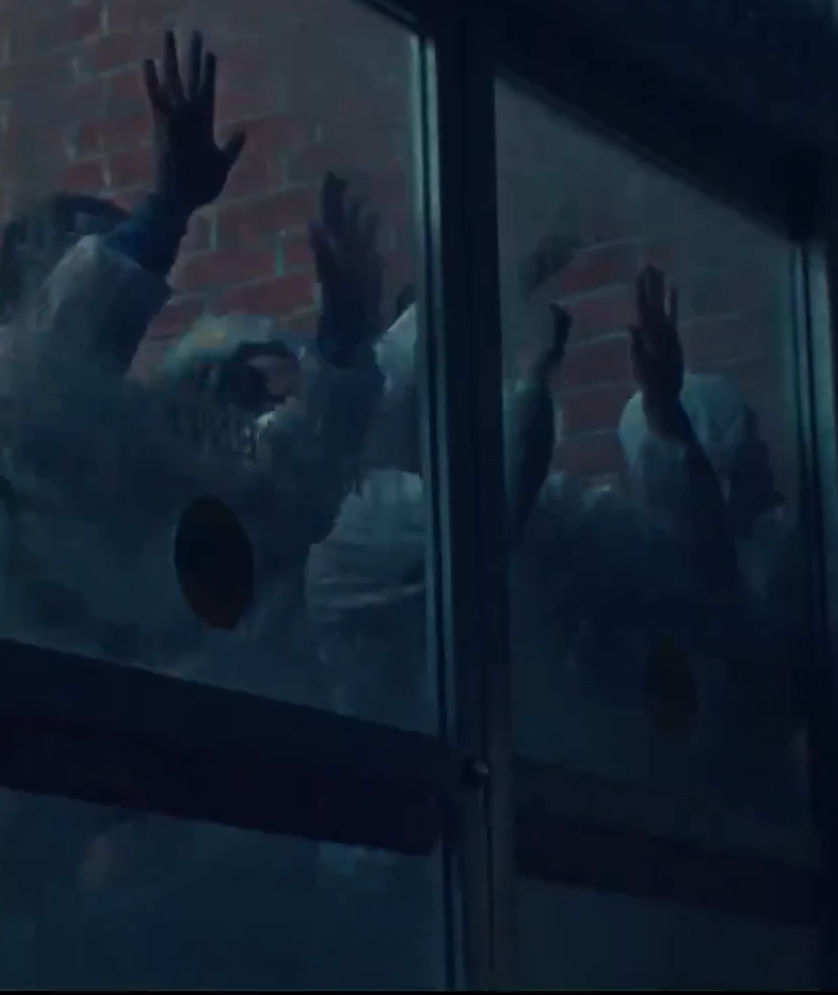
A contaminated building, a demolition crew of twenty turned feral by a psychoactive neurotoxin left behind in Westview’s walls, and a handful of officers who walked in for a routine wellness check and stumbled into something that had no business existing inside a police procedural on ABC.
And yet there it was — monsters in the hallways, clown dolls in the dark, and Miles running football plays on people who used to be remediation workers.
The Westview storyline had been quietly building all season, and when it finally detonated, it connected dots in ways that were enormously satisfying to watch.
Who left that neurotoxin in those walls, and why, is a question the show is still sitting on, but the result was impossible to look away from either way.
Westview Felt Like Rick Grimes’ Hospital, and That Is Absolutely a Compliment
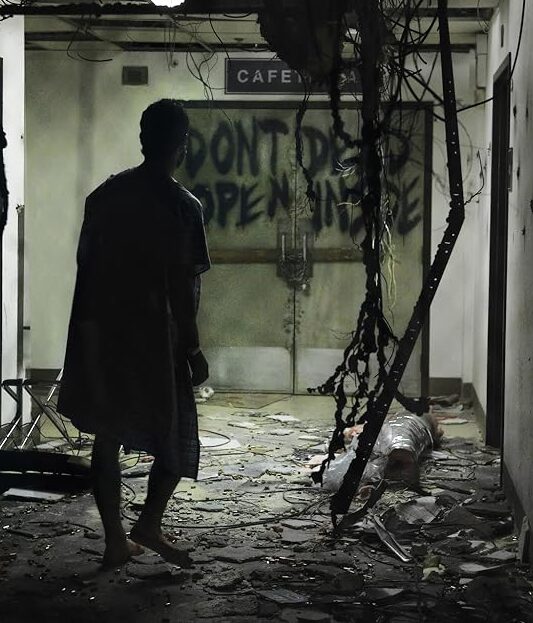
Cast your mind back to the very first episode of The Walking Dead.
Rick Grimes woke up alone in an abandoned hospital, shuffled down a pitch-dark corridor, pushed open a door held shut by a chain, and found something nobody needed described to them twice.
That sequence worked because the horror was environmental before it was ever physical — the building itself was the threat, and the monsters were almost secondary to the dread of not knowing what was around the next corner.
Westview did the same thing, inside a police procedural, on ABC, which should not have been possible.
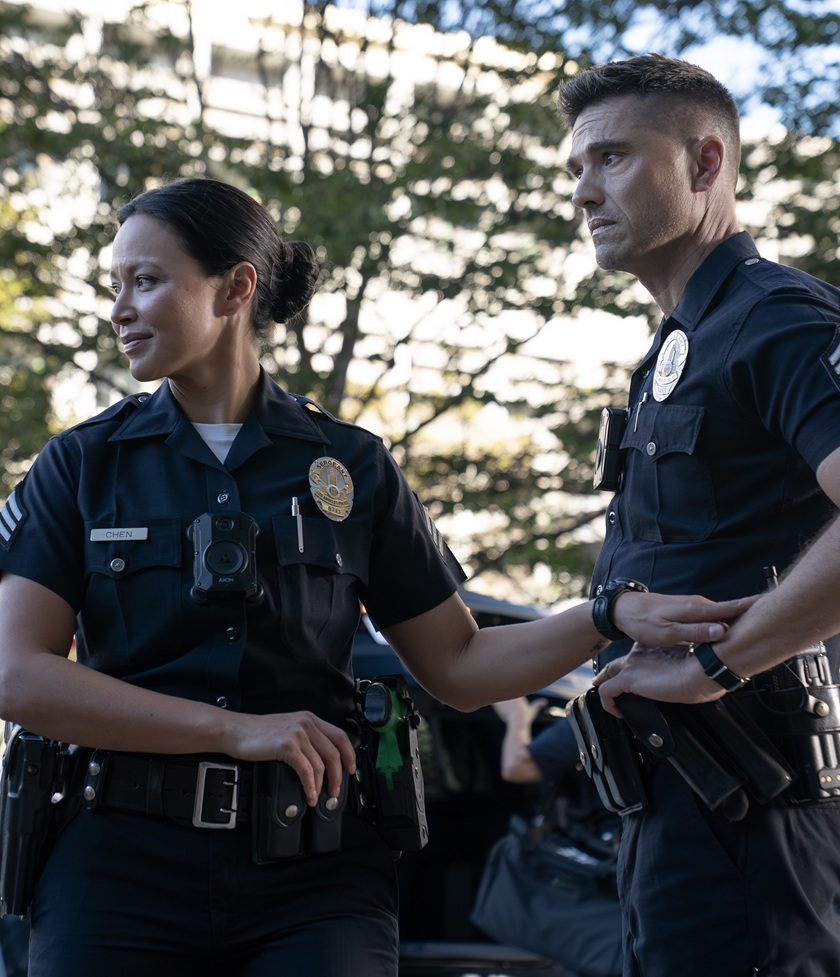
Nolan, Harper, and Miles arrived for a routine wellness check and walked into dead silence, a single body on the floor, and the kind of garbled screaming that convinces you immediately to turn around and leave.
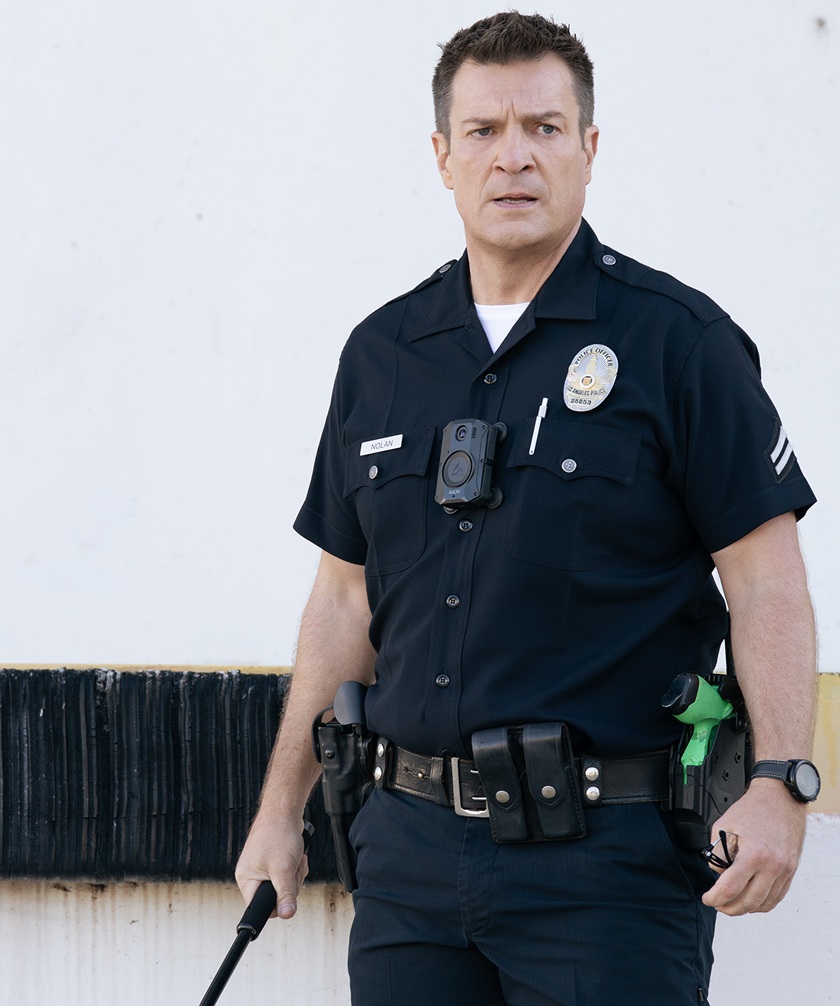
Then the infected crew came around the corner, and the episode became something else entirely: outnumbered officers sprinting through an abandoned mental hospital while feral workers poured in from every direction; relentless, disoriented, and completely beyond reason.
Miles stumbling across clown dolls mid-chase while tackling infected workers with football moves was the show at its most gloriously unhinged.
It hits the same sweet spot as early Walking Dead’s lighter moments — the ones that gave you a breath of dark comedy right before something terrible happened again.
Nolan was kicking complete ass for most of the hour in ways that reminded you why Nathan Fillion has been anchoring this show for eight seasons.
And then Lucy walked in, fought one of the zombies in a death battle, and the tone shifted entirely.
The early seasons of The Walking Dead understood that zombie horror worked best when the monsters weren’t really the point — when the true horror was what the situation did to the people trapped inside it.
Lucy killing Martin, a man who was a victim and not a criminal, and then having to answer procedural questions about it from her own boyfriend while clearly in shock, was The Rookie reaching for exactly that same register.
Uncomfortable, human, and devastating in equal measure, which was the whole point and exactly why the episode landed in all the right ways.
The Officers Never Turned — and That Raises More Questions Than the Episode Answered
“His Name Was Martin” left behind some major questions once the adrenaline settled.
Nolan, Harper, Miles, Dash, Lucy, and Celina all fought their way through that building, got scratched and bruised and thrown around, and walked out the other side completely unaffected by the neurotoxin.
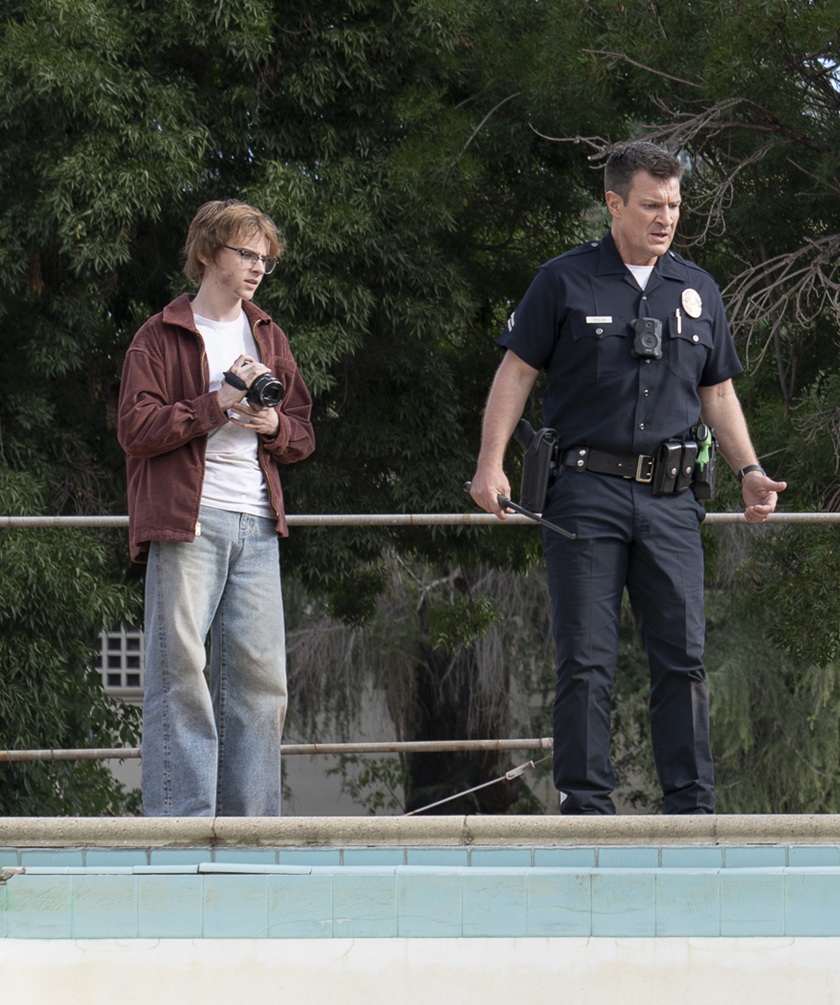
A crew of 20 remediation workers was thoroughly overtaken, but the officers who spent a significant stretch of the installment running, fighting, and bleeding through the same walls never turned at all.
The most logical explanation was that the spread wasn’t airborne — or at least not efficiently airborne, as a respiratory pathogen would be.
The remediation crew had been working inside Westview for hours, possibly days, before this particular hour began, breathing contaminated air and likely absorbing the chemical through sustained contact with the building’s structure.
The officers were inside for a fraction of that time, moving too fast and too sporadically for prolonged exposure to take hold.
That would make the neurotoxin something that required direct or sustained contact rather than casual proximity, which could also mean the spread was localized in a specific part of the building.
But then there was the other question, the one nobody stopped to ask out loud.
Why were the infected workers specifically targeting the officers and leaving each other completely alone?
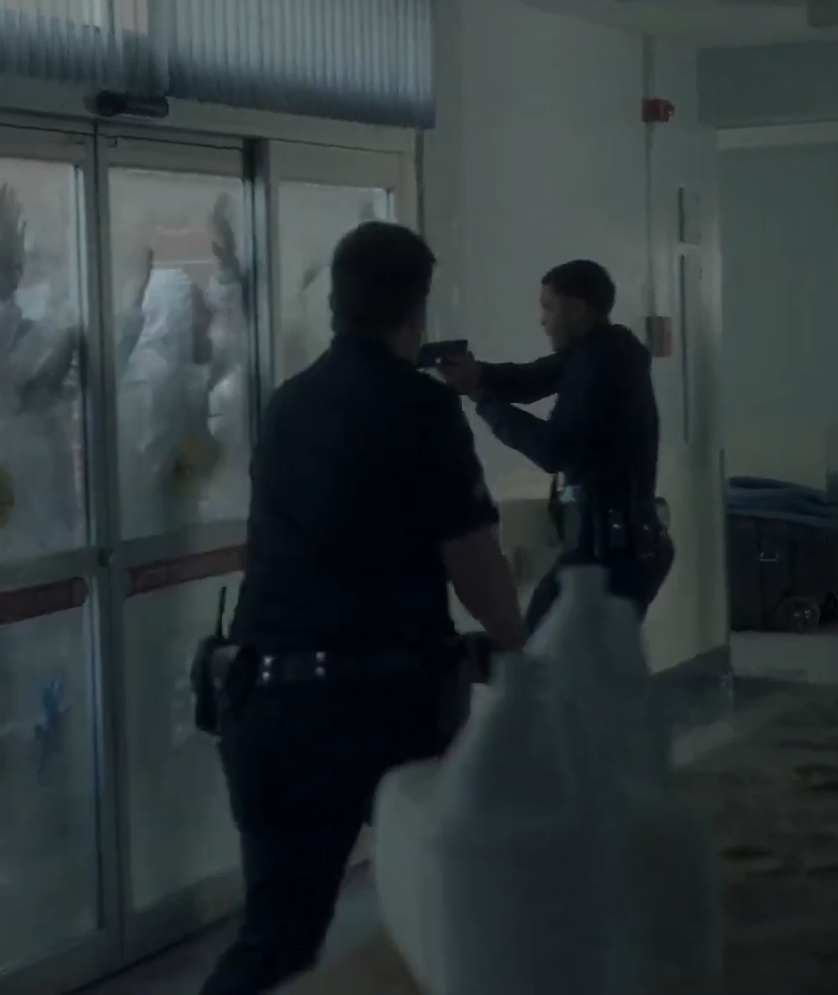
Traditional zombies —your Walking Dead walkers and your Romero classics — operated on some kind of base instinct — hunger, infection, territorial aggression — something that explained the violence even if it didn’t justify it.
The Westview crew wasn’t trying to bite anyone or spread anything. They were just attacking people who weren’t infected while completely ignoring the ones who were, with no apparent logic governing the distinction.
That suggested the neurotoxin wasn’t simply inducing aggression, but something considerably more specific.
Some kind of threat-response, maybe, where an infected brain perceived uninfected people as a danger and reacted accordingly, while recognizing other infected individuals as neutral.
If that was the mechanism, it raised an uncomfortable follow-up question: was that by design, or was it accidental chemistry?
Because whoever put that substance in Westview’s walls, and that’s still an open question the show hasn’t answered, engineered something that made its victims selectively target the uninfected rather than attack indiscriminately.
That’s an awfully precise outcome for something that supposedly just seeped into the walls and waited.
The hour didn’t answer any of it, and honestly, it was smarter to leave it open.
The best horror gives you just enough to start asking questions you weren’t ready for, and “His Name Was Martin” had questions to spare.
Do you have a theory about who contaminated Westview and why the infected only targeted uninfected people? Drop it in the comments below.
Like and subscribe for more coverage of The Rookie. We’ll be here every Monday.

We have a full week of characters who put us in all the feels from High Potential and RJ Decker to Virgin River and Doc, dive in now!
From 9-1-1: Nashville to Boston Blue, we have seven stellar Characters of the Week that we give our undivided attention.
NBC has picked up multiple drama pilots, hinting that it wants to push scripted content once more. Maybe it shouldn’t have canceled shows.