




Amid the rise of short-form videos, microdramas have become a trend of their own, offering soap opera-style storytelling that aligns with modern consumption behaviors.
Underlining this, Snapchat has published a new report on the popularity of microdramas and how Snapchat users, specifically, are responding to this new format.
Based on a study of 3,000 people across the U.S., U.K. and Saudi Arabia conducted by Ipsos earlier this year, the report shows that Snapchat users are more likely to be engaged by episodic short drama programming, which could present new promotional opportunities for brands in the app.
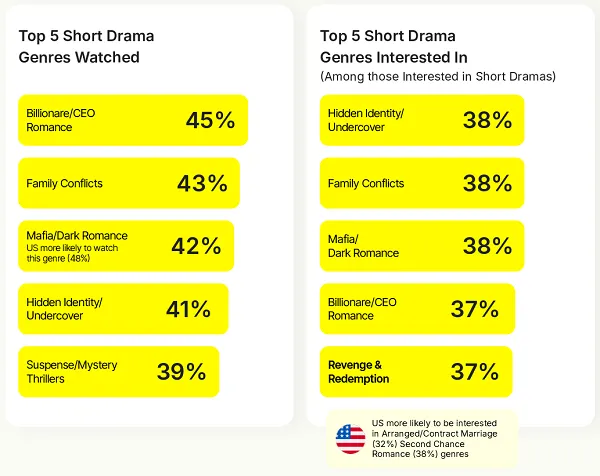
The report examines the rise of the short drama format, which, as this listing shows, is very much built upon common soap opera clichés:
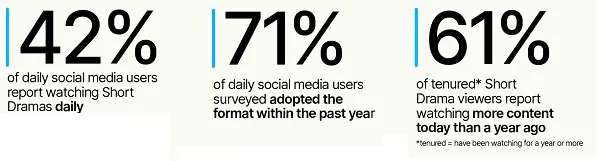
Snapchat users are clearly enamored with the format. The data shows that 42% of Snapchat users watch microdramas daily, and are watching more over time.
As per the report: “Snapchatters are well ahead of the general consumption curve, boasting a familiarity with Short Drama platforms that is 1.4x higher than the competitive average. Specifically, 64% of Snapchatters surveyed are familiar with at least one Short Drama platform, compared to just 42% of non-Snapchatters.”
A key component of this success is based on communal viewing and community engagement, with most microdrama viewers sharing clips and discussing episodes with friends.
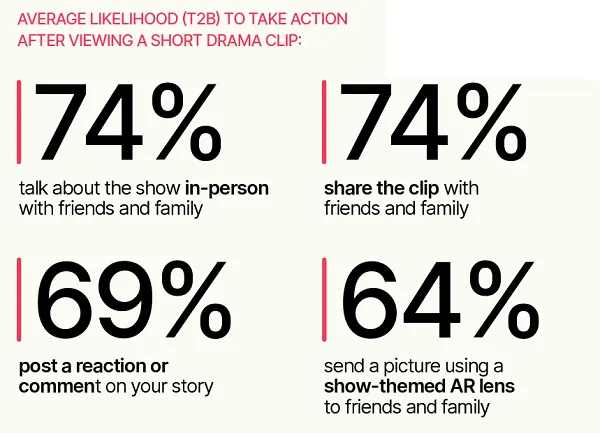
The report indicates that this is a key selling point for creators when it comes to pitching their short-form content. In turn, Snapchat provides valuable, engaged reach that can lead to more community engagement.
The data also suggests that brands should consider sponsorship opportunities with short drama makers. Brands could even consider making their own short drama programs as part of an expanded promotional push. Conceptually, short dramas are not high on production values, but the format sees success based on romance and thriller-type stories, which could provide avenues for tie-in promotions.
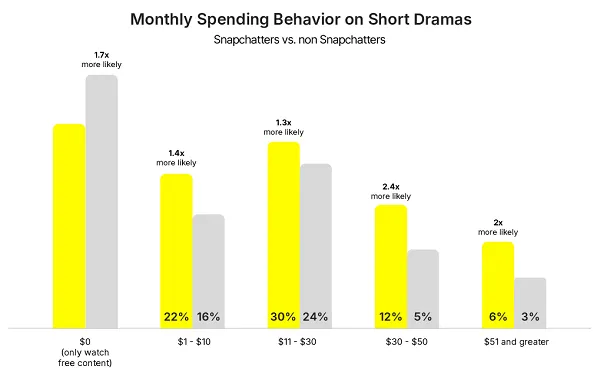
Snapchatters are also more likely to become paying subscribers to microdrama creator content.
The report underlines the rise of the short-form drama format as a means to deliver story-based messaging, which is primarily focused on entertainment but could also provide ad outreach opportunities.