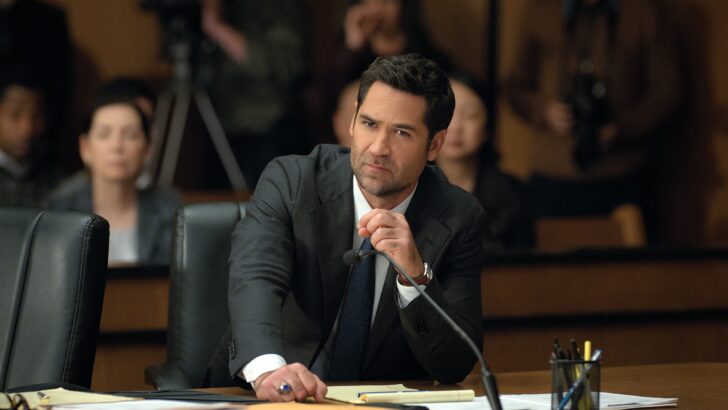
By the time The Lincoln Lawyer returns for Season 4, Mickey Haller is no longer operating from the driver’s seat of his Lincoln.
Instead, he’s facing the most devastating reversal of his career — and his life — after being charged with murder.
For viewers, the new season represents entirely new territory. For Mickey, it’s a reckoning that series co-creator Ted Humphrey says has been quietly building since the very beginning.

“It’s the worst thing that’s ever happened to him, pretty much,” Humphrey explains.
“Not just from the obvious legal or professional perspective of facing these charges — that would be terrible for anybody — but also from a personal and family perspective.”
That personal cost is what defines the emotional weight of Season 4. Mickey may be able to compartmentalize danger when it’s happening to clients, but watching the fallout land on his daughter is something else entirely.
“He sees what it does to his daughter, and that devastates him,” Humphrey says. “Any parent can relate to having to keep a brave face for your child when you’re facing a situation like that. It’s dire.”
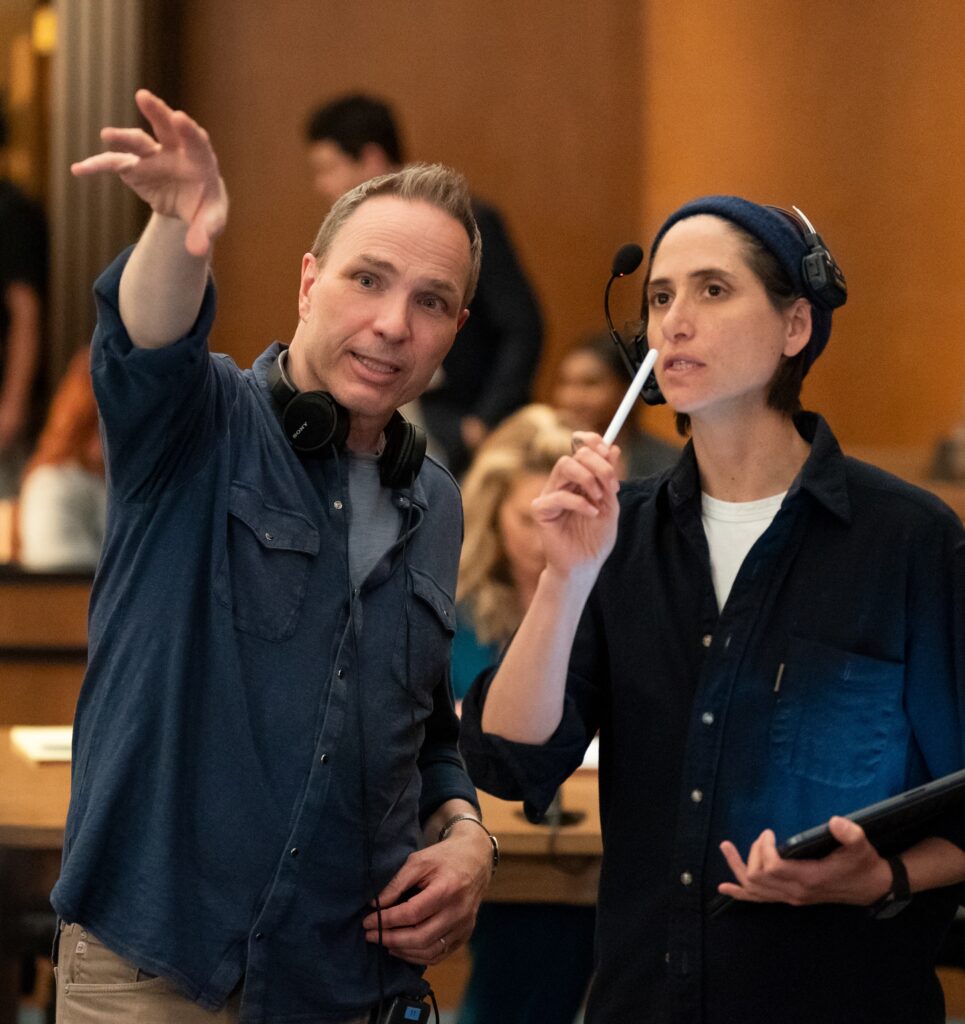
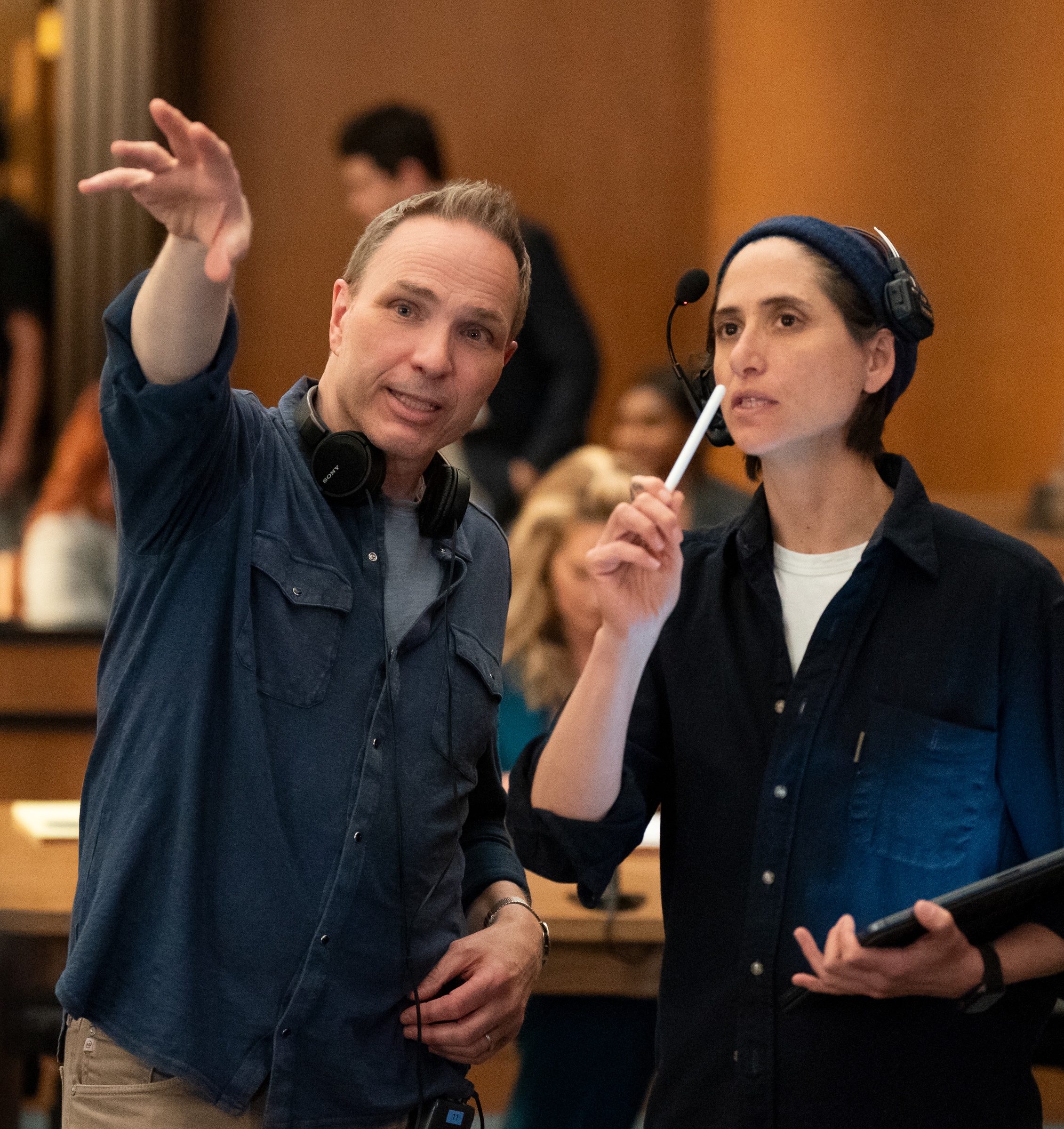
A Season the Series Has Been Building Toward
For a show that has consistently raised the stakes both professionally and personally for its central character, The Lincoln Lawyer Season 4 represents a deliberate escalation rather than a sudden left turn.
“One of the challenges of doing a show like this is always opening the ante for the characters in some way,” Humphrey says. “Professionally, personally — whatever it is. And we feel like this does all of that. In some ways, the show has been building to this for three seasons.”
Creatively, the season may feel different, but it isn’t untethered. While The Lincoln Lawyer often takes liberties with Michael Connelly’s novels, Humphrey notes that the books still provide an emotional and character-based blueprint.
“We have the luxury of basing this, to some extent, on one of Michael Connelly’s books,” he explains.
“Michael is always the first to encourage us to take liberties. He always says that his audience loves watching the show because there’s familiarity, but things are different enough and surprising enough that it feels like a new story.”
That balance allows the series to evolve while remaining grounded in what has always defined Mickey Haller: his ability to navigate gray areas with confidence and charm — traits that are suddenly tested when he becomes the one under scrutiny.


When the Lawyer Becomes the Client
One of the most striking shifts in Season 4 is the inversion of Mickey’s role within the justice system. He’s no longer visiting clients behind bars. He is the client.
“It’s a very different environment for Mickey for at least the first part of the season,” Humphrey says.
“But it’s also an opportunity. It’s great to change up the world of the show, change the color palette, and suddenly have this fish-out-of-water situation — the guy who’s used to visiting clients is now the client.”
That reversal forces Mickey to confront an uncomfortable truth: the advice he’s been dispensing for years doesn’t land the same way when applied to himself.


“There’s the old saying that a lawyer who represents himself has a fool for a lawyer,” Humphrey notes. “Mickey is living that right now.”
While Mickey does have help, the emotional impact of that realization lingers.
“All of the platitudes he’s given clients in the past — that have probably become rote by now — he hears how hollow they sound,” Humphrey says. “It can’t help but change the way he approaches things. It can’t help but affect how he’s dealing with this on the inside.”
In other words, Season 4 isn’t just about survival. It’s about transformation.

Power Players Step Forward
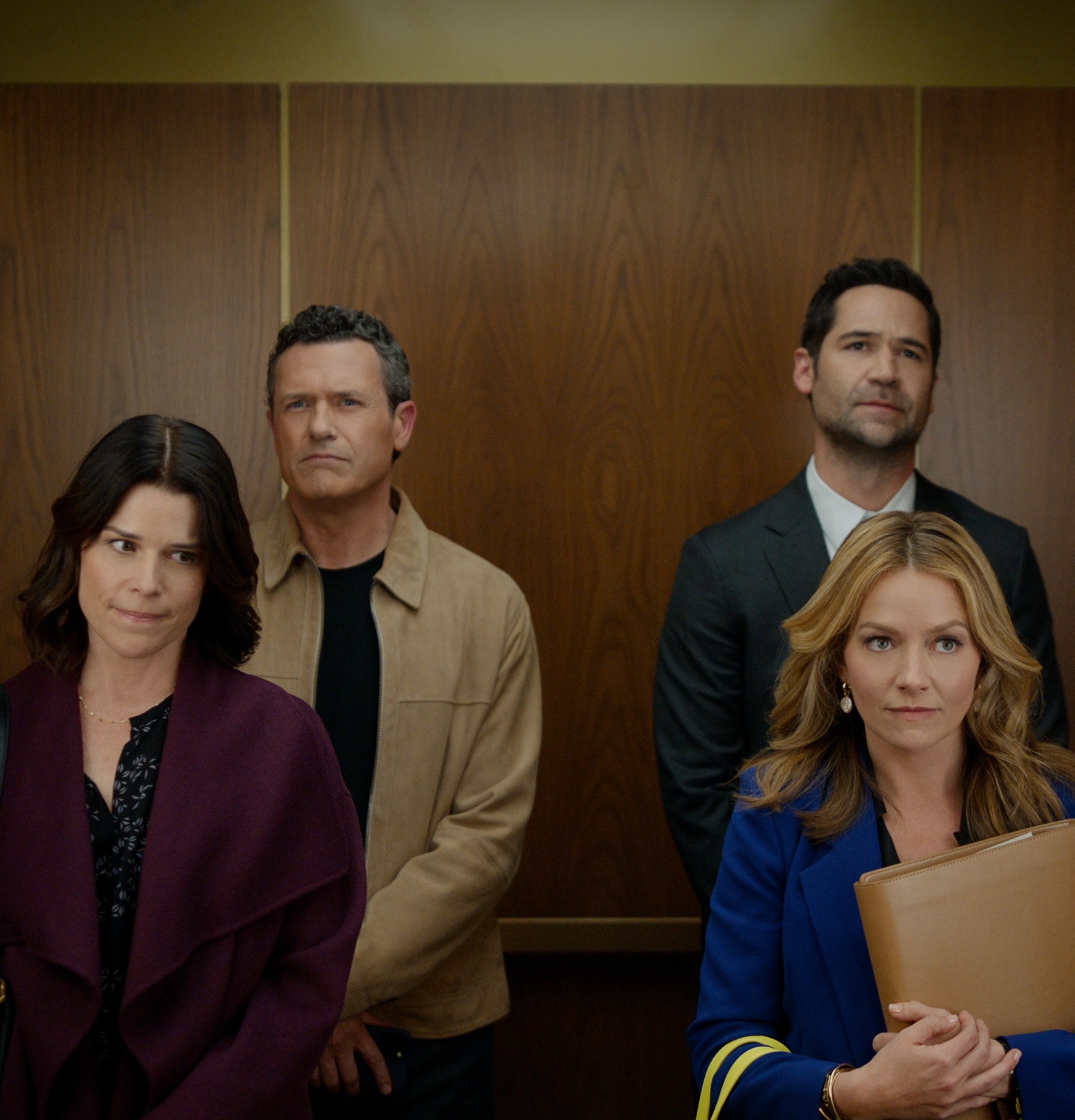
As Mickey’s world contracts, other characters step into expanded roles — beginning with the arrival of Dana Berg, brought to life by Constance Zimmer.
“Dana is one of the great antagonists of the Mickey universe,” Humphrey says. “We knew we needed a powerhouse actor, and we certainly got that in Constance.”
Zimmer’s scenes opposite Manuel Garcia-Rulfo crackle with tension, especially when paired with seasoned performers like Neve Campbell.
“You’re just watching two incredible actors — pros — go at it,” Humphrey says. “That’s always fun.”


Campbell’s Maggie, in particular, plays a far more central role this season than she has in recent years.
“We made it a point to make the story of Mickey and Maggie — and the help she’s able to give him, both personally and professionally — a focal point,” Humphrey says.
“She’s a fan-favorite character, and in some ways she’s always been the emotional heart of Mickey’s story.”
Meanwhile, Lorna’s journey continues as she steps into real responsibility after passing the bar.
“Somebody has to keep the lights on at Haller & Associates,” Humphrey says bluntly. “Mickey feels very guilty about that, but there’s not much he can do.”


Watching Lorna rise to the challenge provides some of the season’s lighter moments — a necessary counterbalance to its heavier themes.
“She’s always been the light of the show,” Humphrey says. “This is a darker season in some ways, but it’s also our most emotional and personal. It’s about family, and what you would do to protect your family.”
One notable absence longtime readers will be aware of is Harry Bosch, a character deeply woven into this part of Mickey’s story in Michael Connelly’s novels but unavailable to the series due to rights limitations.
Still, Humphrey suggests that Season 4 finds other ways to carry that emotional and narrative weight.
“We are certainly allowed to create new characters, and we can certainly expand the world,” Humphrey says. “If we have an interesting idea for how to expand the world of Mickey’s family, we can look at how to do that.”


While he remains deliberately vague, the implication is clear: the season introduces new faces and relationships designed to serve the same function Bosch once did — grounding Mickey, challenging him, and shaping how he survives what comes next.
“There are a lot of interesting guest stars and new faces to the show this season,” Humphrey adds. “I think the audience will have to look out for who they are.”
For fans familiar with the books, it’s a quiet reassurance that while the series can’t follow the same roadmap beat for beat, it isn’t ignoring the emotional architecture of the story either.
A Defining Chapter for Mickey Haller
While fans of the books may notice the absence of familiar characters like Harry Bosch, Humphrey teases that Season 4 still expands Mickey’s world in meaningful ways.
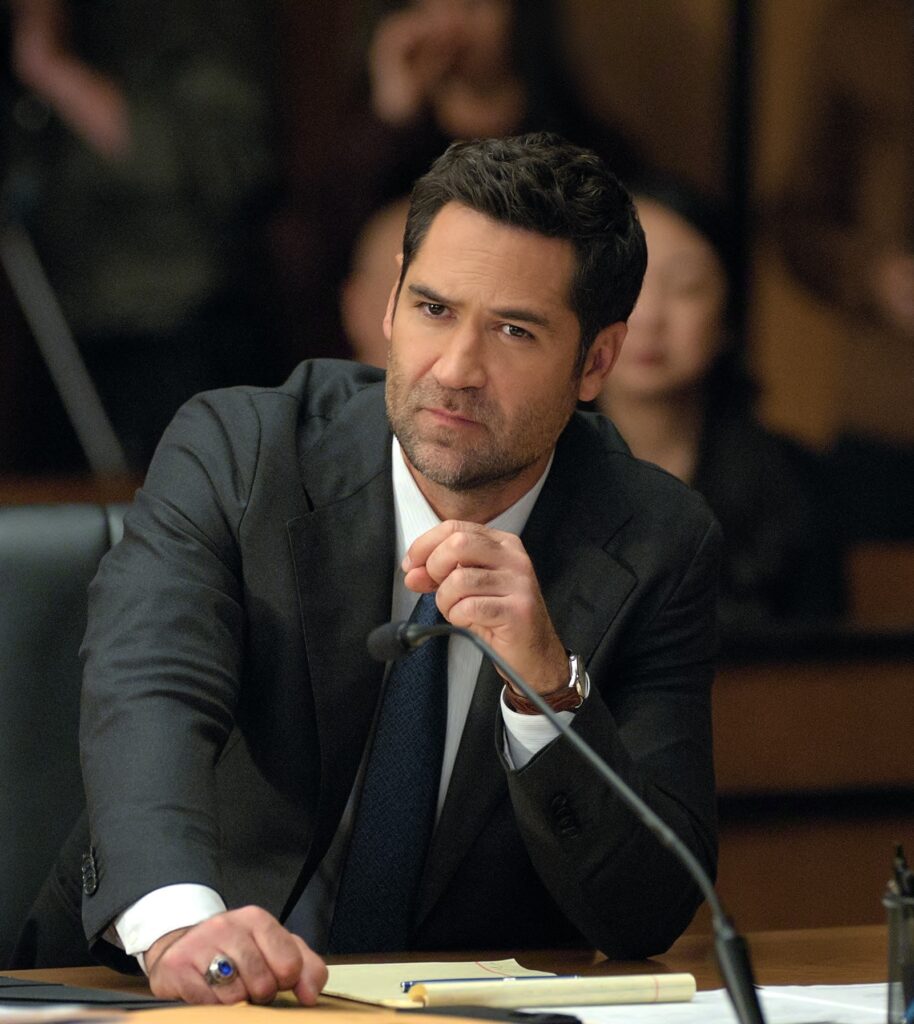
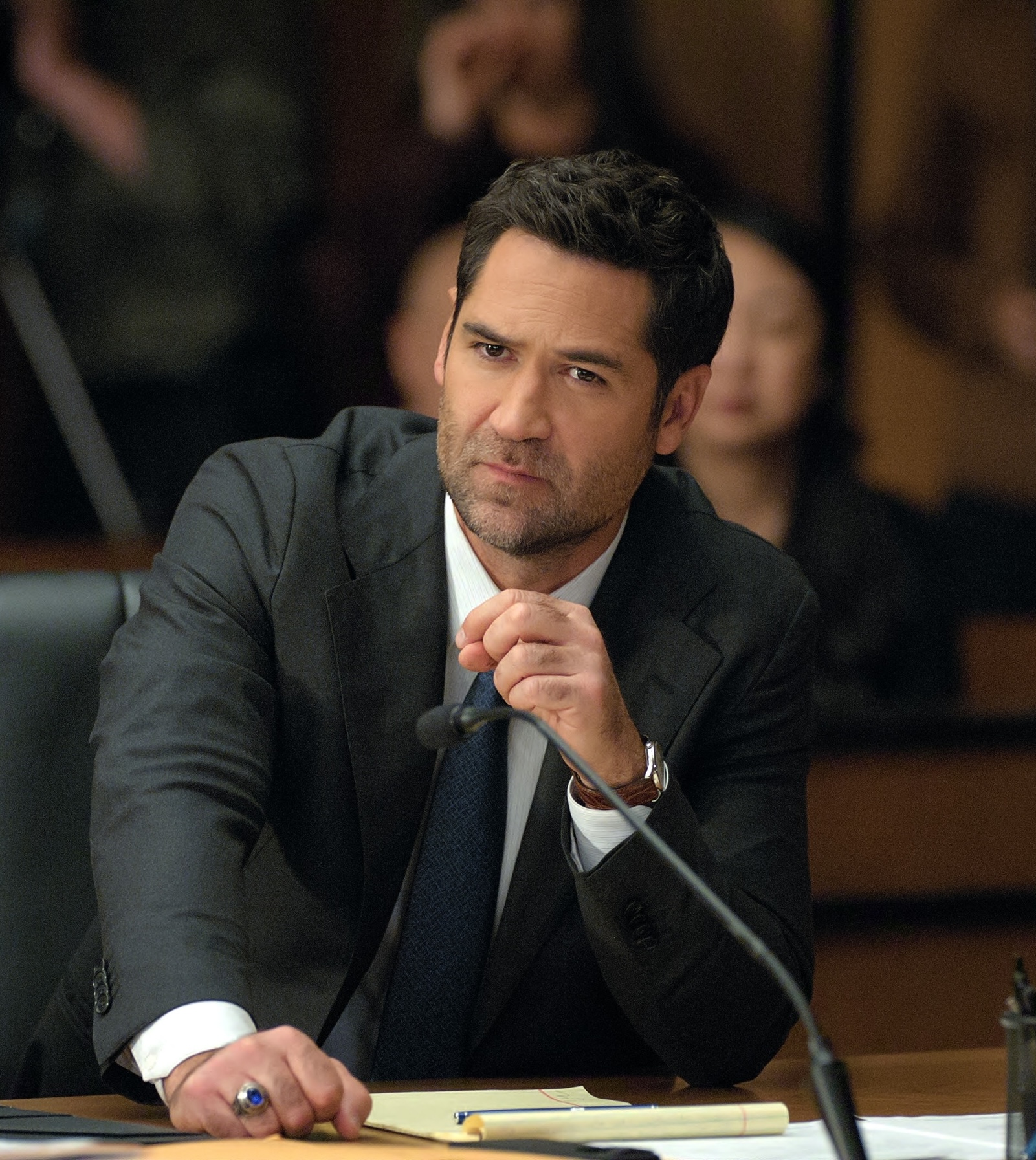
“There are a lot of interesting guest stars and new faces this season,” he says. “The audience will have to look out for who they are.”
Ultimately, Season 4 isn’t about replacing what’s missing — it’s about stripping Mickey Haller down to his core and seeing what remains.
“This is very much a turning point for him,” Humphrey says. “As it would be for anybody.”
And for a character who has always believed he could talk his way out of anything, that turning point may be the moment that finally changes him for good.
For those of you who have yet to tune into The Lincoln Lawyer, you have a little less than a week to watch the first three seasons on Netflix.
The Lincoln Lawyer Season 4 drops on the streamer on Thursday, February 5. And fear not, cliffhanger or not, the show has been renewed. Huzzah!!

Ted Humphrey teases The Lincoln Lawyer Season 4 as Mickey Haller faces his darkest chapter yet, with new challenges, shifting alliances, and emotional fallout that changes everything.
There are still more dungeons left to explore and dragons to fight, if Stranger Things goes the spinoff route!
History isn’t meant to be liked; it’s meant to be learned from. There are seven excellent TV shows that remind us of that.