




Alternately known as Baltimore’s Pope of Trash and Prince of Puke, transgressive filmmaker, writer, actor, and artist John Waters is a true American original. Born when Truman was president, and raised in the atomic mid-century Eisenhower era, where rock and rolling teen rebels and anti-communist conservatives collided in a battle for America’s soul, Waters emerged as a paragon of bad taste, combining his love of arthouse and grindhouse cinema into surreal, post-modern film comedies all his own.
All of his early films were made in Baltimore, often in and around his parents’ suburban home, with his troupe of trusty friends and collaborators, known as the Dreamlanders, which included larger-than-life star Divine, as well as regulars like Mink Stole, Cookie Mueller, Edith Massey, David Lochary, Susan Lowe, and Mary Vivian Pearce.
Over the last decade, the Criterion Collection, the distribution company known for its definitive home video editions of “important classic and contemporary films,” has released half a dozen of Waters’ films, including “Multiple Maniacs,” “Female Trouble,” “Pink Flamingos, and “Polyester.”
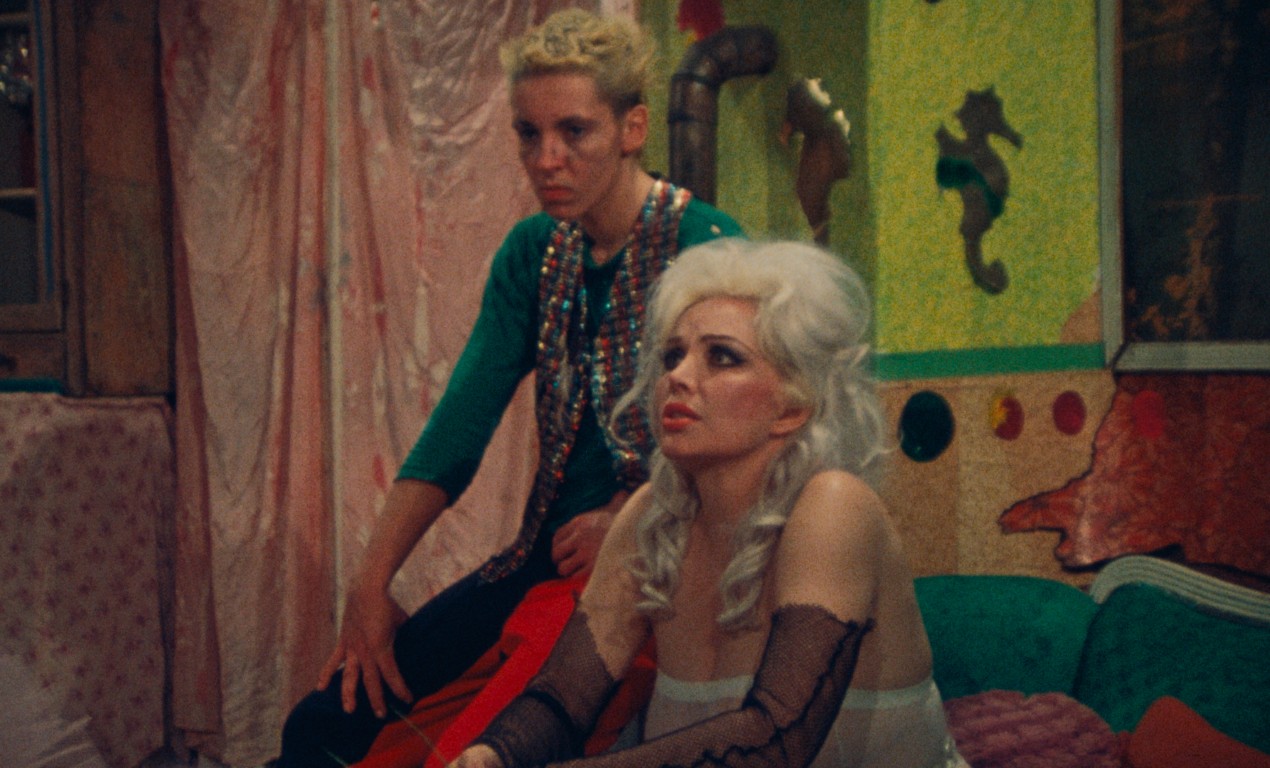
This month sees the release of two films seemingly on widely different sides of the Waters filmic spectrum: “Desperate Living,” which in the audio commentary Waters calls “a monstrous lesbian fairytale movie about political corruption,” and “Hairspray,” his remarkably family-friendly musical about racial integration that launched the career of Ricki Lake, made Waters a household name, and became such a phenomenon it was adapted both as a Broadway and film musical.
In celebration of these new releases, RogerEbert.com spoke with Waters over Zoom about this unexpected Criterion double feature, why he doesn’t trust anyone who doesn’t have old friends, his storied multi-decade legacy, and how humor saved his life.
I actually sold you movie tickets once upon a time at the Lumiere Theatre in San Francisco.
Oh, I miss that theater. I loved that theater. They played the best movies there, and everything. I always think of it when I ride the cable car, because I live not far from there.
Yeah, it was the greatest sort of rat trap art house to ever exist.
Yeah, it really had good movies. The movies I wanted to see always played there. What was playing?
You saw “The Imposter,” and you said the guy was one sick fuck. I remember that, because I thought, “Wow, he must have been really fucked up.” And you saw Christophe Honoré’s “Beloved.”
I used to go there a lot.
It was a great theater to work at. It had a very, I think, Dreamlander vibe to the crew. We were very scrappy.
And also liked and knew a lot about films. A lot of film buffs worked there.
Oh yeah. I was in film school at the time. It was the best place to work. I talked about more films with them than I did with my film school companions.
You learn more in the movie theaters than you do in class anyway.
I think so. I was reading an interview you did with my friend Juan a couple of years back, and you said that you thought “Desperate Living” would be the very last of your films to make it into the Criterion Collection.
I did, but then I would ask my audience which movie they wanted Criterion to release, and “Desperate Living” won a lot. Susan Arosteguy, who has produced all my movies for all my Criterion releases, was shocked at that. I assumed that “Hairspray” would be a great one to do. But I love the idea they came up with: releasing them together when they’re at opposite ends of the John Waters spectrum.
I thought that was fascinating, too. Then I watched them back-to-back, and they’re both very political films in very different ways.
They are. “Hairspray” was a sneak attack. I love “The Battle of Algiers” more than any movie, so I tried to put that together with “The Wizard of Oz,” and that was what I could come up with for “Desperate Living.”
It was shocking how much fascism, or anti-fascism, is in “Desperate Living.”
Oh my god, Edith Massey, today is torn from the headlines. I wouldn’t be surprised if Trump made us have Backwards Day. We’re living in Backwards Day anyway.
It feels like the White House definitely has more and more in common with the Mortville castle than it should.
There’s a Mortville in every city today. In Los Angeles, everywhere there’s a Mortville now. Many of them on every block in some neighborhoods. What’s so amazing about LA is that’s where it’s the worst is downtown, where most people don’t see it, but when you see it today, it’s block after block. It’s really shocking. It’s beyond Mortville, but no one ever sees it. Mortville was too. It was a hidden community. I got the idea for that film from the Herschell Gordon Lewis movie “Two Thousand Maniacs!” When the people go off the wrong road and end up in a town that’s filled with people who want to kill them.
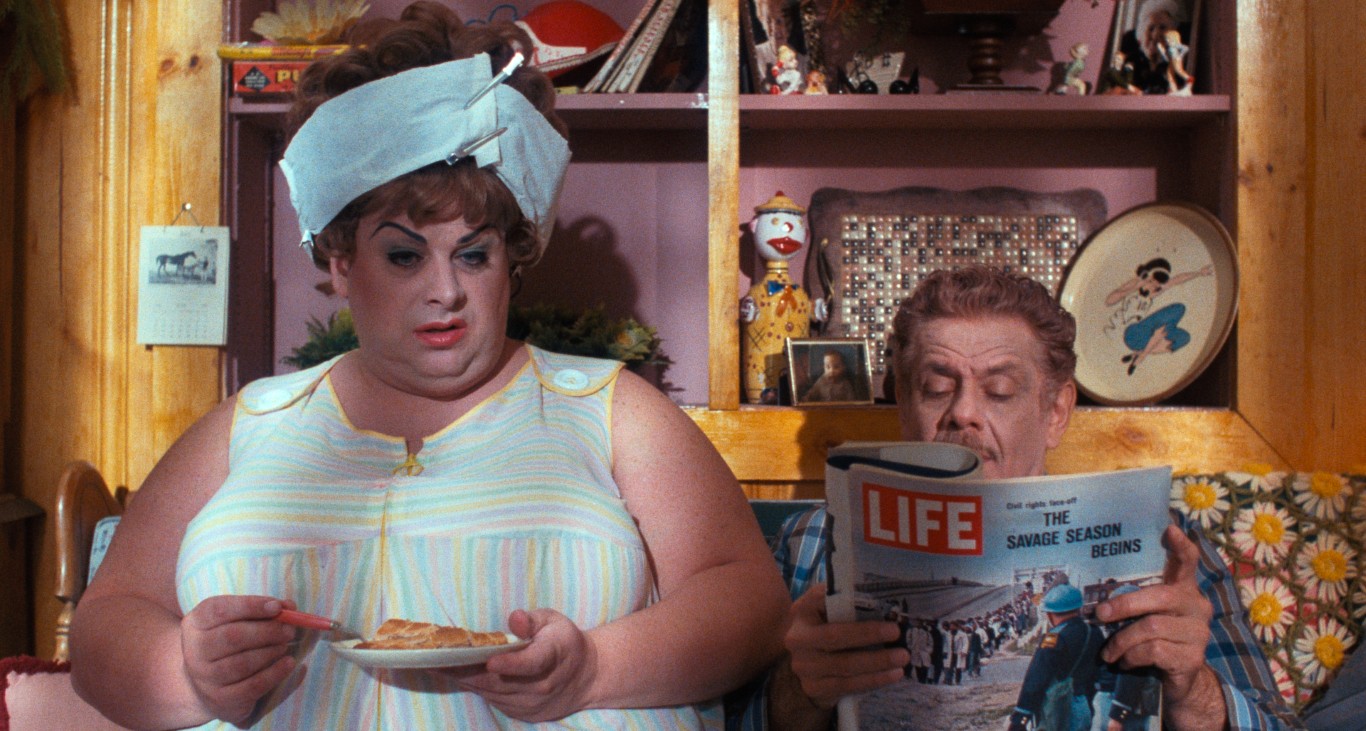
In your audio commentaries, you often have a lot of different film references and other things that stew in your brain and then become these very singular films. Do you know how that fusion happens in your brain? Or is it just really intuitive for you?
I think it is. I’ve always loved extreme, underground, and exploitation movies, and I put them all together to come up with my genre, but even if you hate it, you have to give it to me. I kind of invented it. I always went to the movies. I still do. I have a 10 best list every year that’s now in New York Magazine.
I always look forward to that.
So, the film references, my audience is smart, they get stuff. My audience is film-smart, and I always say, “If they don’t get something, then do your homework.” Sometimes you have homework when you come to see my movies to figure out what the references are.
You also obviously tap into a lot of your memories, and you do so in your books. They’re very vivid stories that you recall. Do they stay in your brain, or do you write them out? Are you a diarist?
No, I don’t ever keep a diary. It’s just that I’ve had the same friends for fifty years across the four cities I’ve lived in. We stay in touch, and we tell each other tales, certainly. But I have had a pretty crazy life, in a good way. I keep friends. I’ve had many friends for fifty years. I don’t trust people who don’t have old friends. The only thing that’s sad is when I watch “Hairspray” or “Desperate Living.” When we’re restoring it, I think of all the people who aren’t there to be happy that these movies are still remembered and liked more than when they came out.
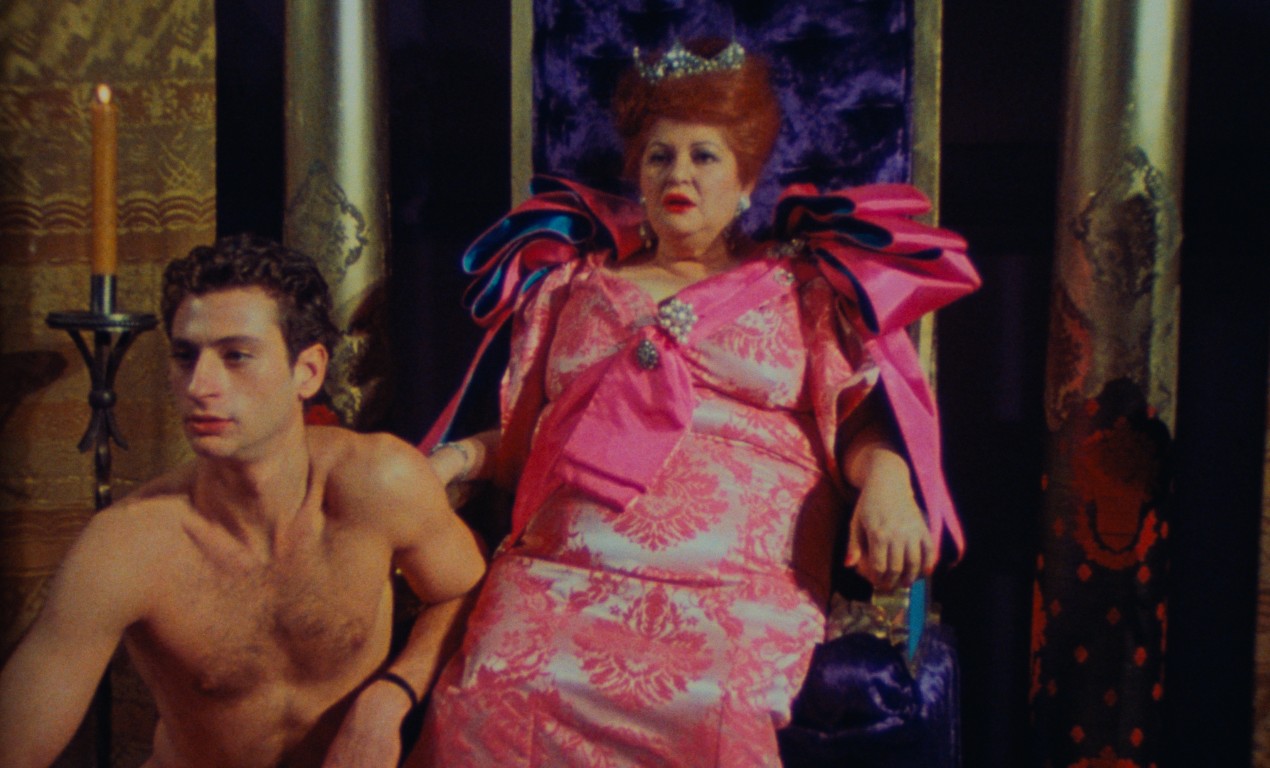
I definitely think your films have a timeless quality that I’m sure you weren’t sure they had, but I think the best–
Nobody’s sure. Nobody makes a movie and says, “This is gonna last forever.” The executives who okayed my Hollywood movies, like “Serial Mom,” which is very well thought of today but was a flop when it came out, don’t care if it’s going to be remembered twenty years later. They got fired because it didn’t make money when they greenlit it that year.
Now that you are looking back, especially with each of these Criterion releases, or in talking to new audiences, do you have an idea of why you think your films are amongst the films like “Casablanca” that still–
I would never say that.
I think they speak to audiences in the same way, and those audiences return to them over and over.
Variety had the 100 best comedies ever, and they picked “Pink Flamingos.” It was in there with Buster Keaton and everything. Nobody, except maybe Barbra Streisand, thinks they are making a movie that’s going to be around forever. Nobody thinks that.
Do you have an idea of why your audiences are able to just keep dropping into your films and relating to them equally, or even more so, all these years later?
I think it’s because I’m not mean and I make fun of things that I love, not that I hate. And, at the same time, I make fun of myself. I have humor. I’m not a separatist, I don’t think gay is better than straight, you know. I even have Republican friends, and we all just have to make each other laugh. Humor is a weapon. Humor is how I got through high school without getting beaten up. Humor is how I managed to go to every country and have people like my movies. So, in a way, humor is what saved my life, and that is political, always.
I would agree with that. I also feel like you see the value in people in a way that few people do. For these two films, in particular, you have both Pia Zadora and Liz Renay, who are these women who are, you know, considered maybe a little ridiculous, but if you listen to them speaking… in your interview with Pia from 1985, she’s so well spoken and so sharp, and Liz Renay’s commentary for “Desperate Living” is so insightful.
Pia Zadora had such a crazy story. When “Butterfly” came out, her husband bought her everything. It played at the Berlin Film Festival, where she was roundly roasted, and I stuck up for her. I wrote and said that “Butterfly” is a really amazing movie if you see it. I was just always interested in… life. If you get arrested, I’m the first person who will call you in the morning. If you get a bad review, I’m the first person who will call you. If something horrible happens in your life, I will call you. I think you have to be there for friends.
I think sometimes people who are really amazing, like Pia Zadora or Liz Renay, who is an astounding woman, aren’t recognized right away, and they are made fun of in the beginning because they don’t have the same values as you, and they don’t believe in the same things that you do. But I’m fascinated by other value systems, even bad ones, because I’m amazed by how people think. I love to read the editorials in the Wall Street Journal, because I don’t agree with them, but I like how smart people who don’t agree with me think, too.
That’s a really open-minded way of going about the world that I don’t know most people do.
Well, I do. And then, when I want to read how dumb people think, I read The New York Post, which is a lot of fun.
The New York Post always gets me on Facebook. They’re always serving me these links with outrageous headlines, and I click ’em. I can’t help it.
Yeah, and now we’ve got the California version, too.
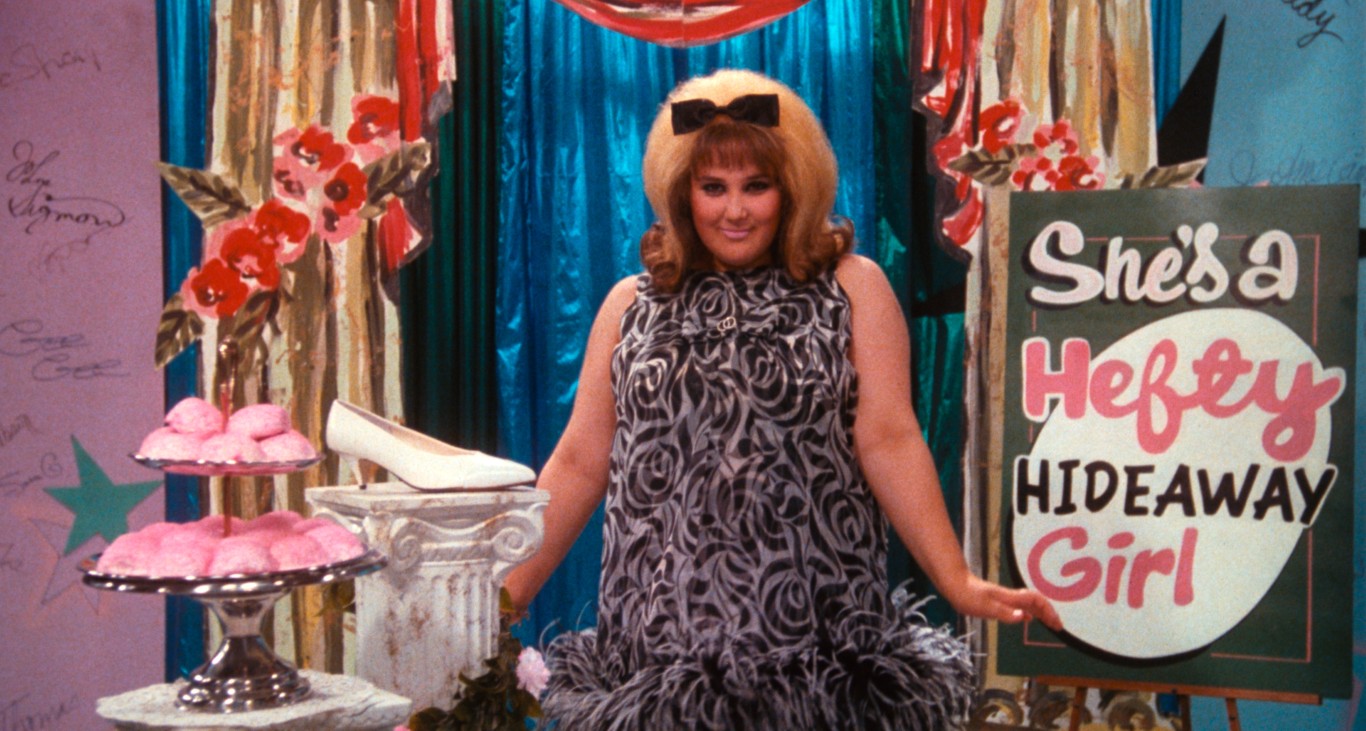
California is strange. I grew up in California. It’s very weird to see how its media perception has changed, because I feel like it’s always been kind of a mess.
Well, California has always had very…I mean, I remember The LA Examiner, there was a Hearst paper then that I remember, and I remember The LA Times. Still, I read The LA Times online every day.
I wanted to ask you about another connection between “Hairspray” and “Desperate Living” that I noticed on this re-watch. You mentioned that Chris Mason’s lesbian bar inspired “Desperate Living,” and she also did all the hair on all your films, including the amazing styles in “Hairspray.” I would love to hear a little bit about her.
Well, Chris was something. She was old school and probably would call herself a bull dyke. I mean, she was great. Ricki Lake always said, “God, usually the makeup person is so nice and a motherly figure, and she scared the shit out of me.” But they all loved her, they all really liked her. She was great.
Chris, she had a bar. Well, first of all, there was a really scary bar in Baltimore, a lesbian bar called Port in the Storm, that was so frightening, but I loved it. It was a redneck lesbian bar where the women looked like Johnny Cash. In Baltimore, they still look like Johnny Cash. So she was there, but then she started a bar called Sapphos, and they had a newsletter called Desperate Living, where I got the title.
I was the only man that they would let in there, and it was fascinating. Chris was a feminist, but at the same time, she hung around with straight people, too. She was one of the few lesbians who was a fag hag, too. A lot aren’t, so it was complicated. But Chris was a powerhouse. Her hairdos are so important in that movie, and she did those hairdos in real life, too. She was a beautician in East Baltimore. So that wasn’t an exaggeration. She did those hairdos on people all the time.
I love the story you tell about Pixie, who was rumored to have a cockroach in her hair and was the origin of that urban legend.
She was the main dancer on The Buddy Dean Show. I loved her. She was called Pixie. She was about four feet tall and had a hairdo that was two feet high. She quit the committee without having a last day or anything. And the rumor started all through Baltimore that she died because she had roaches in her hair, because she didn’t wash out the hairspray. It became so real that Buddy Dean had to go back on the air and announce that it wasn’t true. Later, I think she unfortunately had a sad ending with drugs. But she was always one of my favorite girls, Pixie. So I wrote about them in my book, Crackpot, which came from an article I did for Baltimore Magazine about the first big reunion of The Buddy Dean Show years after it happened.
I still go. I still see some of them that are left, and I still hang out with them, and hear the Buddy Dean gossip. They helped train the dancers and the choreographers for “Hairspray.” They very much rooted for “Hairspray.” Buddy Dean was alive when we made it and was just absolutely thrilled to see its success. It was a Baltimore thing that I gave a happy ending to, because in real life, the show went off the air.
They didn’t integrate because the parents just objected. It was all Black music, always, so it was ironic. It was all Black music, but they had a separate Black day. They called it Negro Day, which was not insulting then, and Fat Daddy was the best DJ in town. He did a song called “I’m Fat Daddy, I’m Santa Claus.” That was on my John Waters Christmas album. That is still a classic in Baltimore. I turned him into Motormouth Maybell, who was played by Ruth Brown. It was all based on real life. Amber’s mother was Edna in real life, kind of. I mixed it all up, but it was still based on a lot of truth, completely the truth, just exaggerated, but not much.
I have that Christmas album on vinyl. You have a fun intro on the sleeve. Your writing is always just really dynamic. It doesn’t matter whether you’re writing copy for a vinyl release or a whole book.
Really, that’s what I am, a writer. I write my movies, my books, my screenplays, my shows. I write. That’s what I do every day. I write every morning.
It shows. Your writing is so punchy, and it feels very open. It feels like you’re allowing us to see a little bit of yourself with everything you write, even if it is a three-sentence intro. I saw your Christmas show in Atlanta many years ago, and I have not laughed so hard in a concert venue in my life.
You should come again. I rewrite it every year. It’s always a new show.
I gotta go again.
It’s an endless process, right?
I wonder—
Can we talk about Roger Ebert?
Sure.
It’s a little ironic: I’m doing this interview for the Roger Ebert website because Roger Ebert wrote some of the meanest reviews of my movies ever, but when I’d see him, he’d say, “Hi, John, want to be on my panel?” And I was always so confused. I thought, “Well, I’m a professional, but am I a masochist?” He did one great thing, “Beyond the Valley of the Dolls,” which has one of the most brilliant soundtracks ever. I will say, he gave me a lot of bad reviews with his film criticism. But what did he leave behind? Thumbs up! That’s not enough. And the other one, Gene Siskel, he called me once and said, “John, take me to the set of a snuff movie, I know you know where a snuff movie is.” And he was really serious, and I just started laughing.
I’m trying to figure out how to follow up on that.
Basically, when Rex Reed died—he was the other one that wrote the meanest stuff about me—they could have had a double date.
I feel like critics today are definitely kinder.
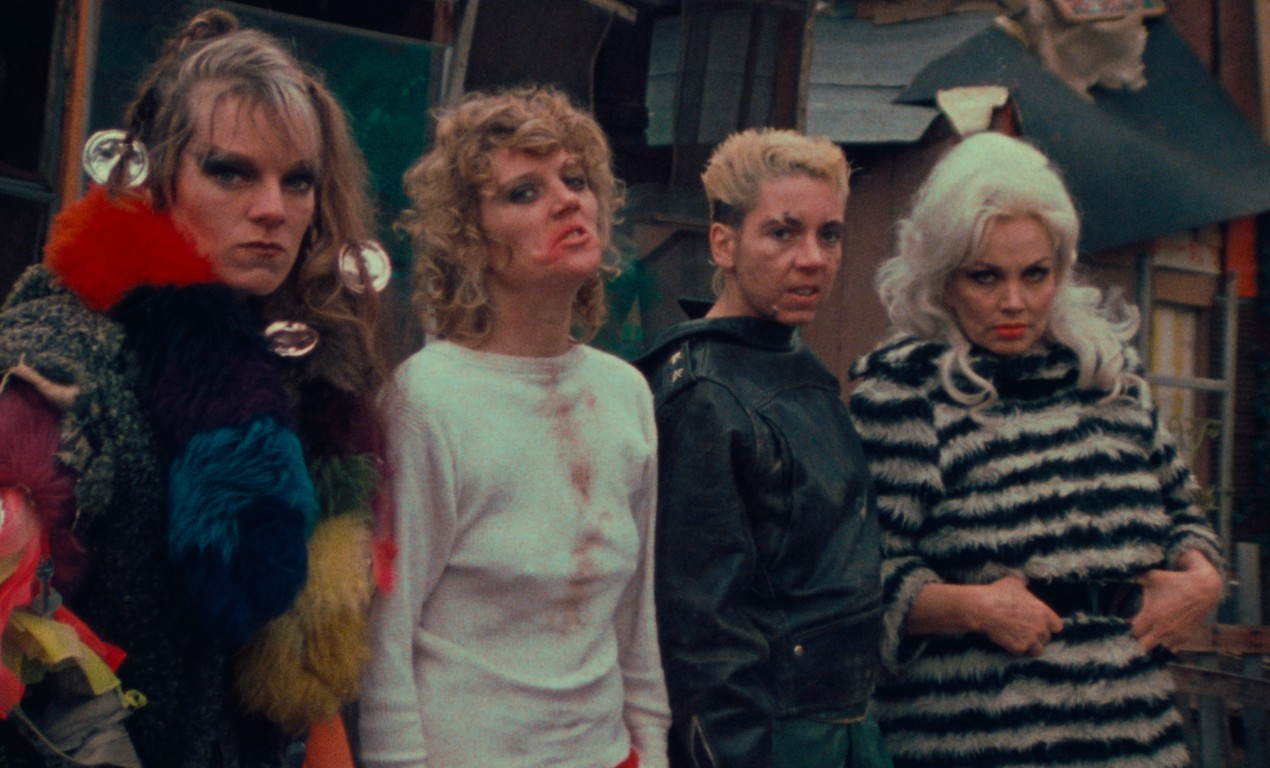
The thing today is, there are no critics who really have power. Roger definitely had power. Rex Reed did, they all did, and I miss the power of the critics because it was exciting to read, and there is no critic who has that much power in it.
Not really. I think it is because the monoculture has dissipated.
It used to be in The New York Times in the old days; if you had a hard film and got a rave review, it was a hit. If you got a bad review, it died. Today, if you get a rave review, it doesn’t mean it’s a hit, but if it’s a bad review, you still die. I miss print ads. I miss when Roger certainly… the whole Russ Meyer connection was so amazing. I wrote about Russ Meyer a lot. In Chicago, “Vixen!” was the biggest hit ever. I was just with Erica Gavin recently. I hadn’t seen her for years, and it was great to see her. She’s the last Russ Meyer girl alive, really.
It’s funny you bring up Russ Meyer, because my friend and I had seen “Hairspray” and “Cry-Baby,” and then her older brother introduced us to “Pink Flamingos” when we were much younger than we probably should have been.
I heard you were eight.
Yeah, that’s true. And I laughed, so what does that say about me? But he’s also the one who showed us “Faster, Pussycat! Kill! Kill!” He had a really good taste in movies.
There’s a really good documentary about Tura Satana, who is no longer alive.
She was another one who had a larger-than-life life. You said you are a writer, you write every day–
I’m not writing tomorrow.
Oh, yeah, weekend. But your films are so visual, and I know from reading your books and some of the old video interviews you’ve done that you are kind of a collage person, too. You keep images. I wondered if that’s something you still do, collecting images and things that inspire you?
I have a board where I put stuff, and I have folders. I have cubby holes and pads everywhere in my house. If I get an idea, I throw it in one. This cubbyhole is for a book; this cubbyhole is for a movie; this cubbyhole is for speech. I gotta write, so I still get five or seven newspapers delivered every day, and I read about ten or fifteen a day. I don’t read every word; I read what I need to get out of it. I still get 100 magazines delivered, but they’re thinner and thinner every time. I can get fifty magazines now that feels like what one used to be. So I still do spend a lot of time with the media, and I don’t hate it. I could have been a journalist, a psychiatrist, or a defense lawyer. Those would have been my three other jobs if I didn’t do whatever it is I do now.
Everyone says you’re very charming in the room, so I feel like you would have been a great defense lawyer.
I would do it to those who did the worst things and were guilty.
I mean, that’s the American right, though, to have a good defense.
It is.
I guess the last thing I wanted to ask you is: with these two films coming out and, a few years ago, the Academy Museum exhibit, how does it feel to see your legacy codified as one of the great American originals? How does that feel?
I’m incredibly proud. I look at it with no irony, and I’m really happy that I’m lucky to live to see that, because often you don’t. So, I’m proud of it, and I thank God that my parents, for once, knew that they weren’t wrong to back my early movies that they were horrified by.
I love that you filmed in their bedroom. I feel like there’s definitely something there.
I noticed the other day that one of the little quilts that’s in my mother’s room, I think I still have that in my house in Provincetown, right where I am now.
There’s definitely something really handmade about all of your films, even the ones with a bigger budget, and I think it’s because you bring so much of yourself to everything you do.
My friends and I and actors that I really, I know you’re not allowed to, I don’t understand why you can’t say the word actress anymore. Why is that wrong? But I always had, the people that I picked, even the Hollywood people, were people I really respected, and I give them great credit for taking a chance to come with us and do these movies, because it was a chance. They had a good sense of humor about themselves to even do it, and in reality, even if the movies got bad reviews, they didn’t. The critics kind of gave them credit for having the nerve to do it.
I think you are an underrated actor’s director, because you get very specific kinds of performances, which are unique and wonderful, regardless of the subject of the film.
Line reading is the worst thing a director can do, and this year, I put out the audio version of six of my screenplay books. I play every single character.
Oh, wow. Okay, I need to listen to that.
You’re not ever supposed to do that. It’s nine hours long, no one could listen to it, but it did come out this year.